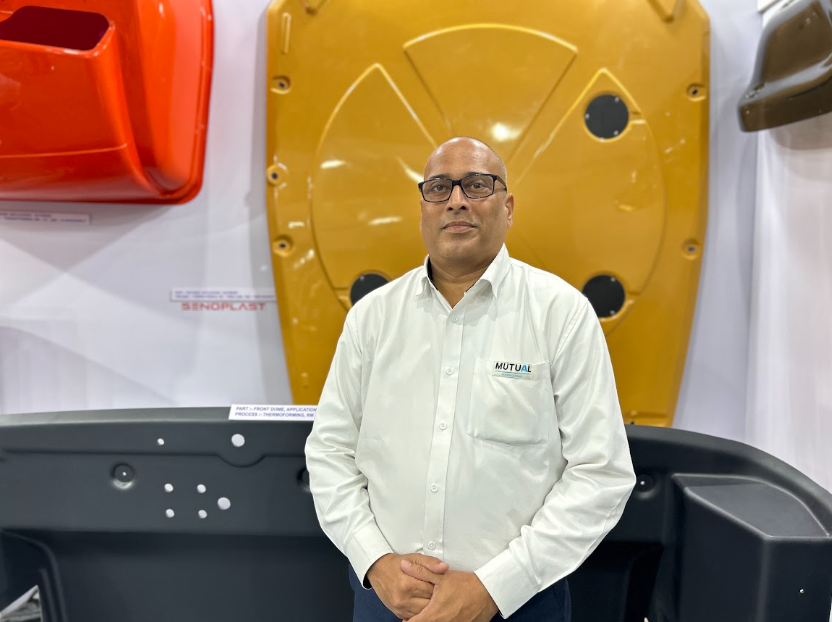
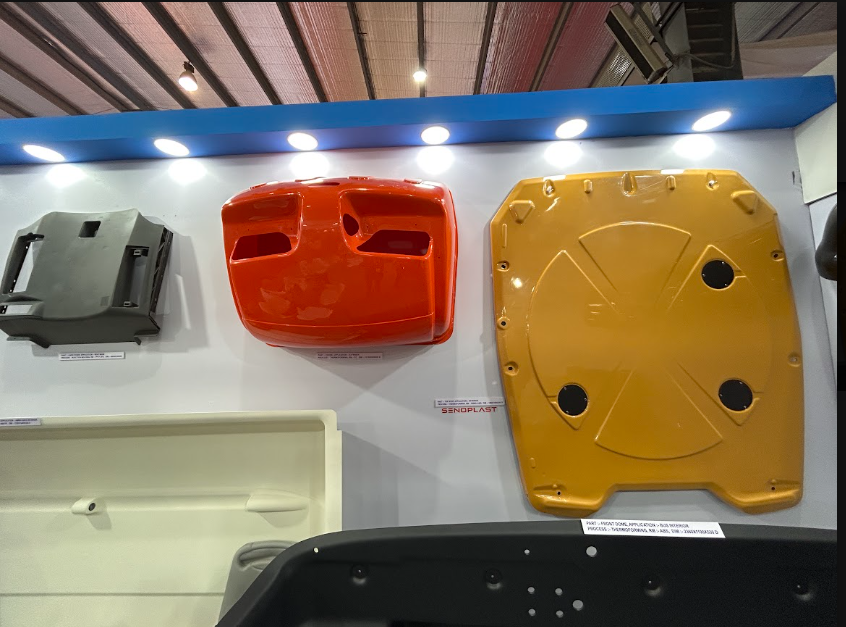
Mutual Industries Limited participated in Prawaas 5.0 as a platform to promote its presence in the Mass Tansit vehicle segment, showcasing its advanced single and twin-sheet thermoforming, injection moulding, surface decoration and multilayer PP Honeycomb structure sheets manufacturing capabilities.
Mutual with it’s Five decades of experience in serving needs of Indian Automotive Industry along with its Joint Venture Partner Stylmonde thermoformage based in France; a major supplier to European Bus, Agriculture Equipment and Aircraft Industry with expertise in Thermoforming demonstrated its readiness to support the evolving needs of bus and truck manufacturers.
Headquartered in Mumbai with its manufacturing facility in Silvassa and a regional office in Pune, Mutual Industries offers a wide portfolio of Built to Print moulded solutions including thermoforming, injection moulding, hydrographic transfer technology, in-house painting and advanced 3D lamination technology (TOM). The company believes these technologies with In-house infrastructure enables it as a strong partner for OEMs seeking lightweight, aesthetic and durable interior and exterior components from concept to mass production capabilities.
“Mutual Industries has built its expertise through continuous backward integration and technology investments. Today, we offer a complete range of thermoforming, injection moulding and advanced surface decoration solutions, including 3D lamination technology that only a handful of companies in India possess,” said Parag Datar, Head – Business Development, Mutual Industries Limited.
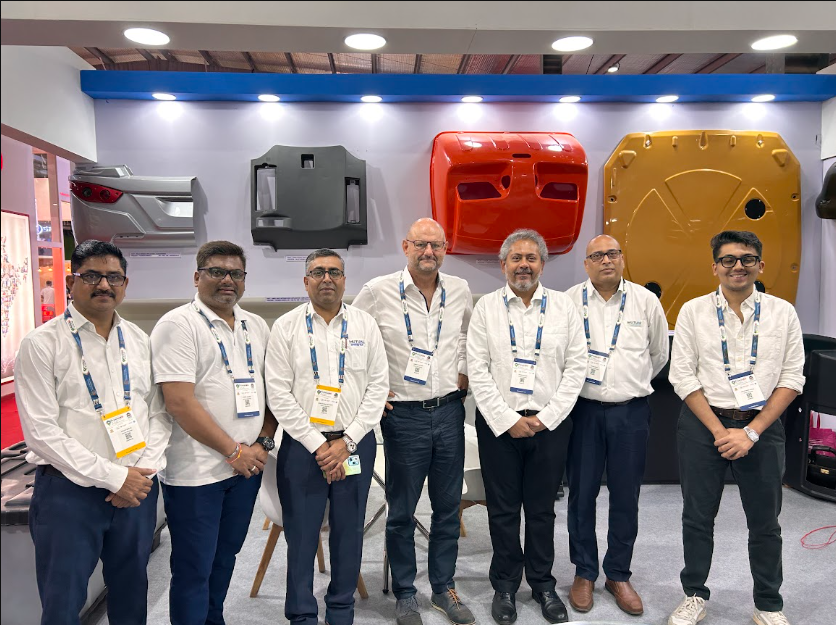
Having previously supplied components to major OEMs such as Tata Motors, Ashok Leyland, Volkswagen, Pinnacle Industries, Force Motors and likewise, the company is now actively rebuilding those relationships. According to Parag, the response at Prawaas 5.0 has been encouraging, with several existing customers visiting the company’s booth and expressing interest in future collaborations for buses and commercial vehicles.
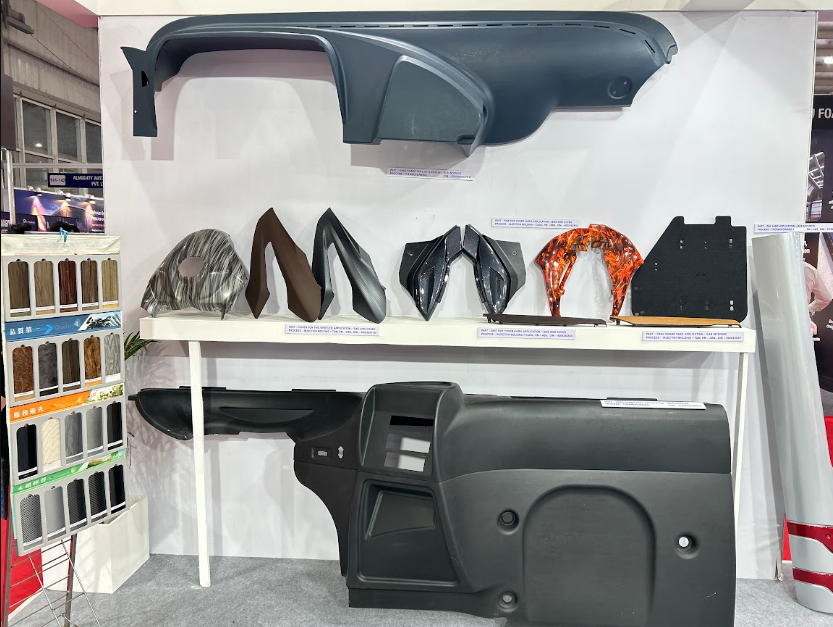
“Our objective at Prawaas was to connect with customers and demonstrate new applications and capabilities to add value tolong-standing partnerships. The response has been extremely positive, and we see significant opportunities to expand our presence in the bus and commercial vehicle segment,” he noted.
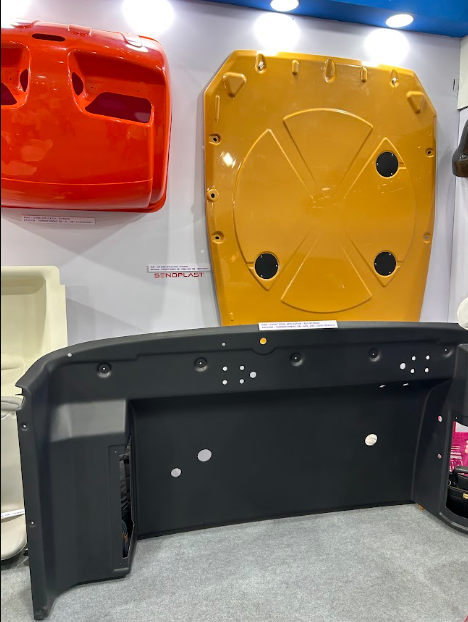
As the industry transitions towards electric mobility, Mutual Industries sees increasing opportunities to participate in demand for A class surface lightweight materials capable of replacing conventional metal and FRP components. The company believes thermoformed and injection moulded plastic parts offer advantages including weight reduction, corrosion resistance, design flexibility, durability and complete recyclability, making them well suited for next-generation buses.
“The shift towards electric buses is accelerating the need for lightweight solutions. Our plastic components can replace conventional materials and processes while offering lower weight, improved durability, corrosion resistance and 100% recyclability, making them ideal for future mobility,” he explained.
He also highlighted that thermoforming provides OEMs with faster design modifications and greater production consistency compared to traditional FRP manufacturing that restricts weight and recyclability. As bus production volumes increase, automated plastic processing technologies help manufacturers achieve consistent quality, higher production volumes, quicker turnaround times for design changes and repeatability due to use of design software and CNC operations.
Mutual Industries believes the market has also matured significantly, with OEMs now having a much better understanding of where different plastic processing technologies can be effectively applied. The company’s role increasingly lies in developing customised components tailored to individual customer requirements rather than offering off-the-shelf products.
“Every solution we supply is customised for the customer. As bus manufacturers scale up production, technologies like thermoforming and injection moulding provide the consistency, flexibility and efficiency needed to support higher manufacturing volumes,” he said.
Looking ahead, Mutual Industries remains optimistic about the opportunities emerging in the bus industry over the next few years. The company says it already possesses the required technologies and manufacturing capabilities and now looks forward to wider adoption by OEMs as the industry continues to embrace lightweight, sustainable materials.