Building consultative sales, predictive after-sales and cleaner mobility solutions
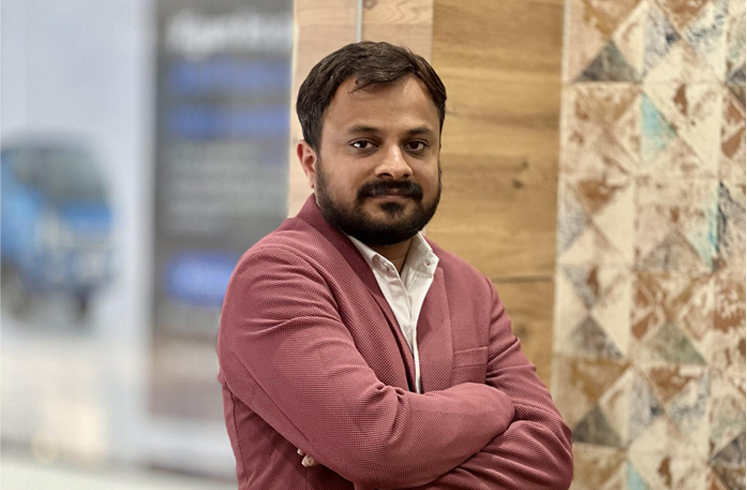
The commercial vehicle industry is moving beyond conventional product sales towards delivering complete lifecycle value, where uptime, transparency and advisory support will define customer loyalty. According to Mr. Adit Khara, Partner, Jitendra Automobiles, the next five years will witness a fundamental shift in how dealerships engage with fleet operators and retail buyers, with technology playing a central role in delivering higher productivity and business confidence.
“By 2030, customers will no longer buy commercial vehicles alone; they will invest in guaranteed uptime backed by predictive service ecosystems,” said Mr. Khara. “The dealership’s role will evolve from selling vehicles to becoming a long-term mobility and business partner.”
From vehicle sales to application-driven mobility
Mr. Khara believes future customers will increasingly expect telematics-enabled predictive diagnostics, where potential failures are identified before a vehicle even reaches the workshop. High vehicle utilisation, supported by real-time data integration, will become the benchmark for service excellence.
He also highlighted the emergence of a seamless “physical-digital” customer journey. While online platforms will dominate product research, vehicle configuration and financing decisions, dealership interactions will become more consultative. Customers will seek guidance on total cost of ownership, application-specific performance and the suitability of alternative powertrains rather than simply comparing vehicle specifications.
“Trust is shifting from brand loyalty to ecosystem reliability,” shared Mr. Khara. “Customers want partners who can de-risk their transition to new technologies through transparent advice, dependable after-sales support and long-term value.”
Preparing for predictive after-sales and cleaner technologies
To align with these evolving expectations, Jitendra Group of Companies is strengthening its focus on application-driven sales by recommending the right vehicle, tonnage and fuel technology for each operating environment. The company is also preparing for wider adoption of alternative fuel vehicles as cleaner mobility gathers momentum.
A major priority is the digital transformation of after-sales operations. The organisation has implemented digital job cards, automated spare parts inventory management and round-the-clock technical support to reduce turnaround times. It has also adopted Tata Motors’ Customer Success Centre, integrating telematics, AI and cloud technologies to move from reactive repairs to predictive fleet management.
Looking ahead, Mr. Khara said the company will continue expanding its capabilities to support emerging fuel technologies, green infrastructure and enhanced vehicle lifecycle management. By combining consultative sales with digital after-sales excellence, Jitendra Group of Companies aims to help customers improve productivity while confidently navigating the future of commercial mobility.
“By 2030, customers will no longer buy commercial vehicles alone; they will invest in guaranteed uptime backed by predictive service ecosystems.”