India’s CV transition will follow a multi-path route, balancing cleaner diesel with CNG, LNG and emerging hybrid solutions in the near term. Over time, hydrogen and electrification are set to take centre stage as technologies mature and scale.
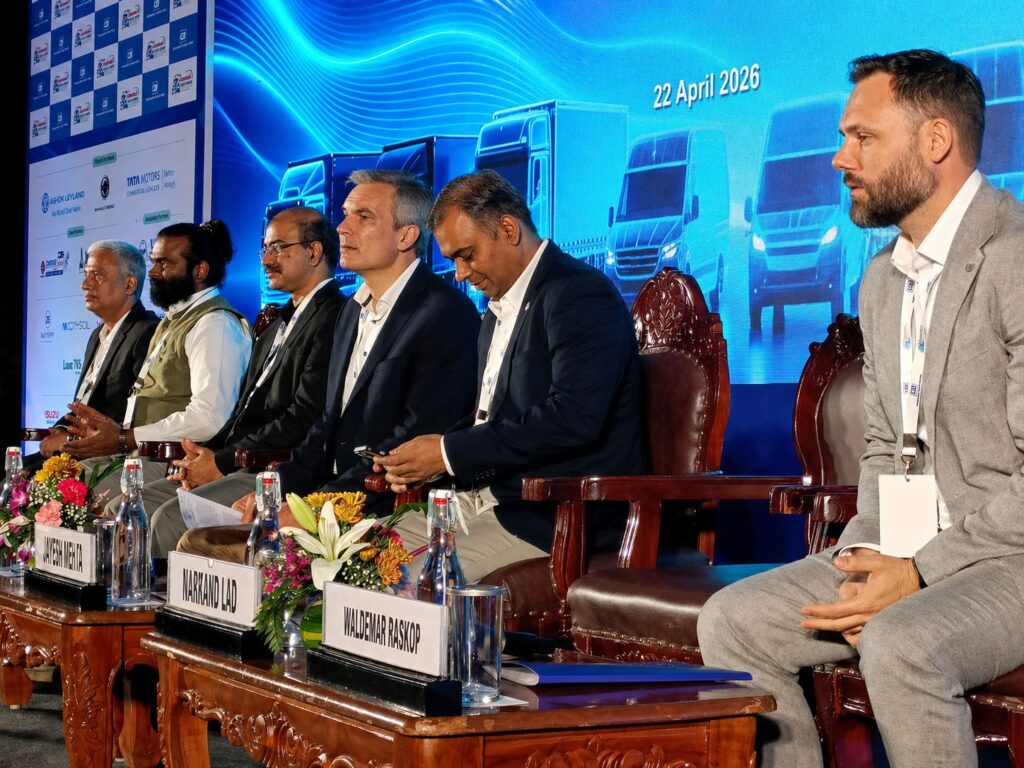
As part of organising the Commercial Vehicle Summit 2026, CII – Southern Region has conducted a session on Energy Transition & Clean Mobility Pathways, with a theme: Multiple Fuels, One Goal – Decarbonising India’s CV Ecosystem.
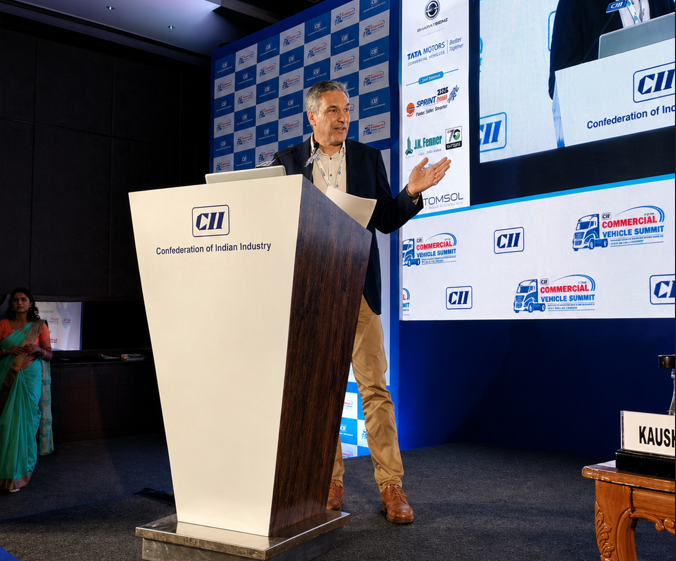
Delivering his opening remarks at the session Mr. Michael Benz, VP & Head, PSE, Tata Motors, has said, amid growing discussions on climate change, one idea is becoming hard to ignore—carbon dioxide is not the only concern. Gases like methane and nitrous oxide, though often overlooked, have a far stronger and more immediate impact on global warming.
Methane, in particular, is emerging as a critical lever, as cutting its emissions can deliver faster results in slowing climate change. At the same time, he cautioned that there is no single solution to this challenge. The path ahead lies in a balanced mix of energy sources and technologies, combining both molecules and electrons, to reduce overall emissions in a practical and economically viable way.
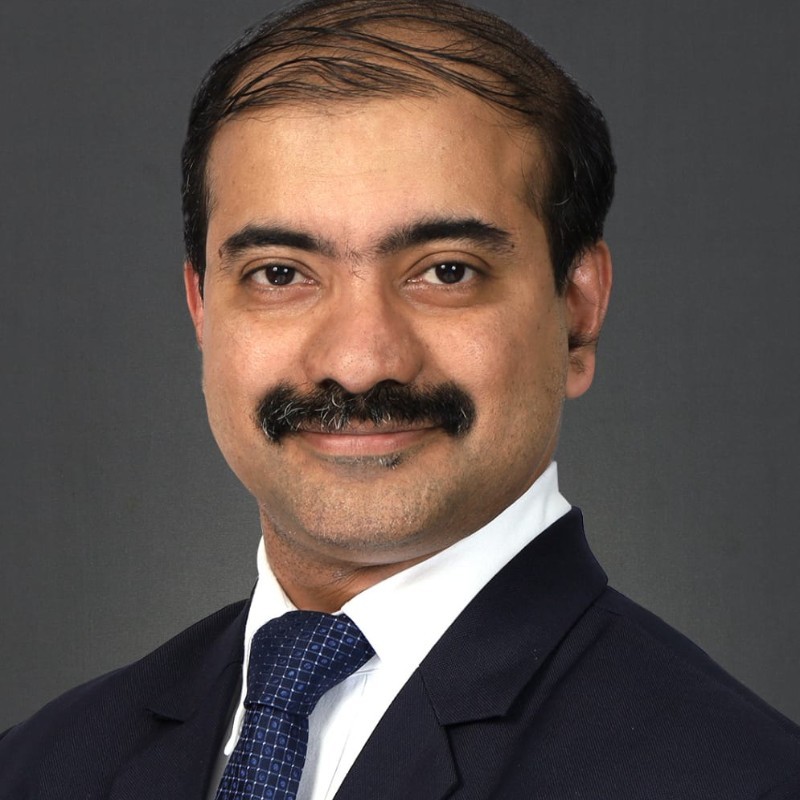
Sharing his views, Mr. Srinivasa Raghavan, CTO, Cummins Group India, said, the commercial vehicle industry in India today stands at a turning point. As the country grows, the demand for moving goods is rising rapidly—and with it, emissions and energy use. At the same time, global pressure to reduce carbon emissions and India’s own net-zero target for 2070 are pushing the industry to rethink its future. The challenge, however, is not just about cutting emissions, but doing so without compromising what customers expect—range, uptime and cost efficiency, he said.
This makes the transition more complex. There is no single solution that fits all. India’s diverse operating conditions mean the industry must follow a multi-path approach. In the near term, cleaner and more efficient diesel engines will continue alongside growing use of CNG and LNG. Hybrid solutions are also being explored to bridge the gap. Over the longer term, technologies like hydrogen and electrification are expected to play a bigger role, especially as they mature and become more viable.
But technology alone, according to Mr. Ragavan, will not be enough. The shift will depend equally on infrastructure, service readiness, supportive policies and overall economics. Fleet operators will adopt new solutions only if they make business sense. This means fuel systems, vehicles and charging or refuelling networks must evolve together.
He concluded by stating that the road to decarbonisation will be gradual, practical and deeply interconnected—where innovation, policy and market realities must move in sync to create a truly sustainable future for freight mobility in India.
Alternate Fuels Eliminates Fuel Pilferage
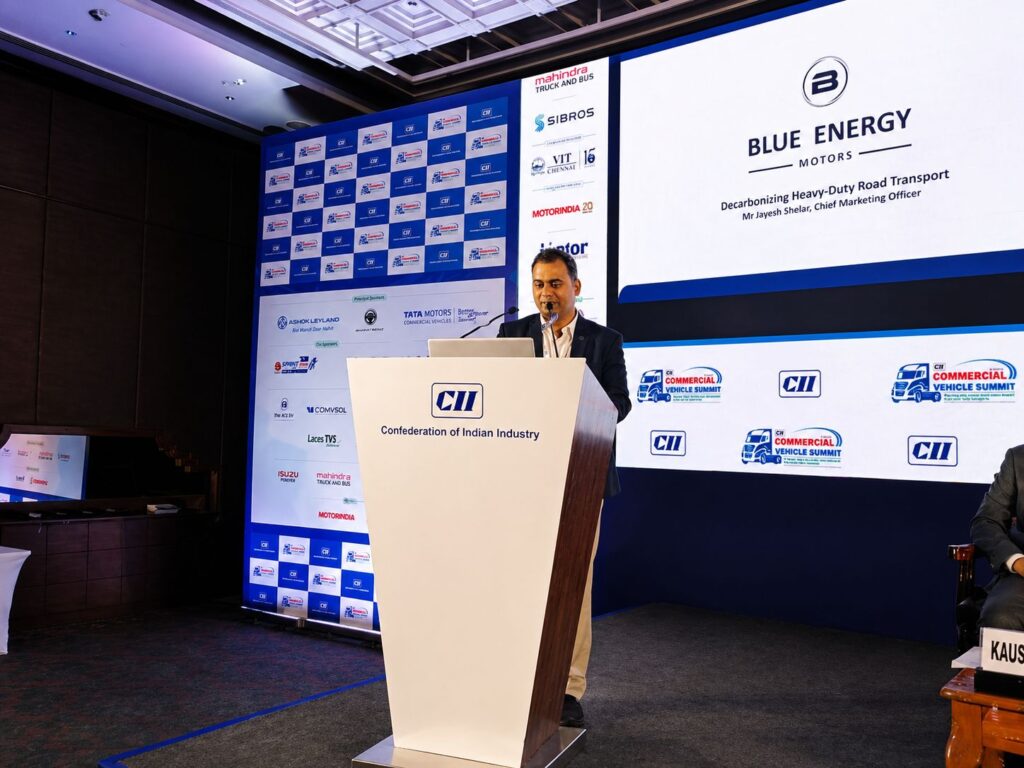
Speaking on the occasion Mr. Jayesh Shelar, Chief Marketing Officer, Blue Energy Motors, said, with the push for cleaner mobility gathers pace, one thing is becoming clear—the shift to alternative fuels cannot happen on its own. It needs strong leadership from OEMs. Today, they are no longer just building trucks; they are helping shape how the entire ecosystem evolves.
According to him, the challenge is real with electric trucks still struggle on account of limited range, long charging times and lack of infrastructure. For fleet operators, this means downtime eventually ending up in loss. At the same time, high upfront costs make it difficult for many customers to shift away from diesel.
This is where new thinking is coming in. OEMs are now exploring flexible models like “Battery-as-a-Service” and “Energy-as-a-Service” to reduce initial investment. The idea is to make new technologies easier to adopt without putting pressure on customers, he observed.
They are also addressing day-to-day realities. For example, fuel pilferage is a known issue in diesel trucks. Alternate fuels remove that problem, and with tools like driver scorecards, OEMs can now create more transparent and performance-based systems for drivers.
Another big step is building trust. New technologies like LNG and EVs often come with doubts. OEMs are using data, telematics and digital tools to simplify these systems and make them easier to understand and operate. Beyond vehicles, OEMs are stepping into infrastructure. Pilot projects, such as electric freight corridors and battery swapping networks, are helping create real-world use cases. These efforts also support the growth of fuel stations and charging points by building demand, he added.
Containing Emissions
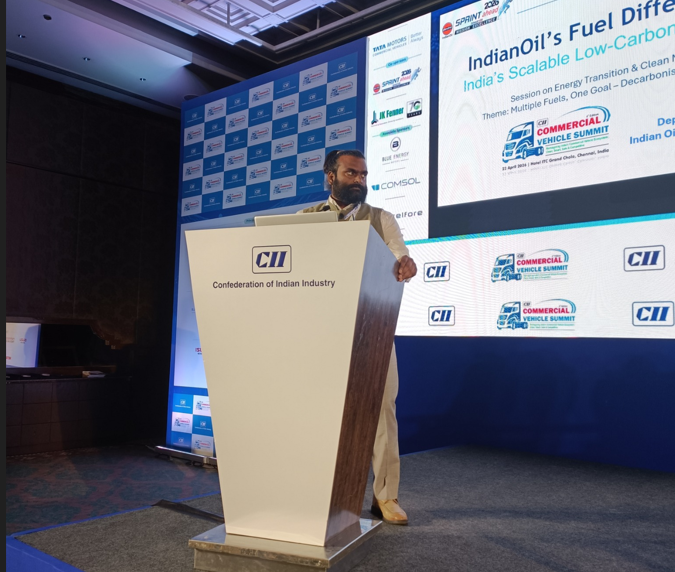
Addressing the audience Dr. Prashant Kumar, DGM, Automotive Research – R&D Centre, Indian Oil Corporation, while India’s energy demand continues to grow, especially in the commercial vehicle sector, the challenge of cutting emissions is becoming more urgent. Diesel consumption is still rising, and without strong action, emissions could increase sharply in the coming decades. This makes decarbonisation not just a goal, but a necessity, he warned.
Against this backdrop, Indian Oil Corporation Limited is taking a phased approach, aiming for net-zero emissions by 2046. The focus in the near term is to improve efficiency and reduce emissions using solutions that can work today.
One such step is the introduction of XtraGreen diesel, a high-performance fuel designed to improve efficiency without requiring any changes to existing vehicles. With a potential fuel economy improvement of 5–7%, it offers a practical way for fleet operators to reduce both costs and emissions, he mentioned. At the same time, Indian Oil is exploring carbon credit mechanisms to reward customers for adopting cleaner fuels, while continuing to invest in alternative fuels and additive technologies. While the transition to cleaner energy will take time, immediate gains can come from smarter fuels, better efficiency and practical innovations that fit into today’s ecosystem, he noted.
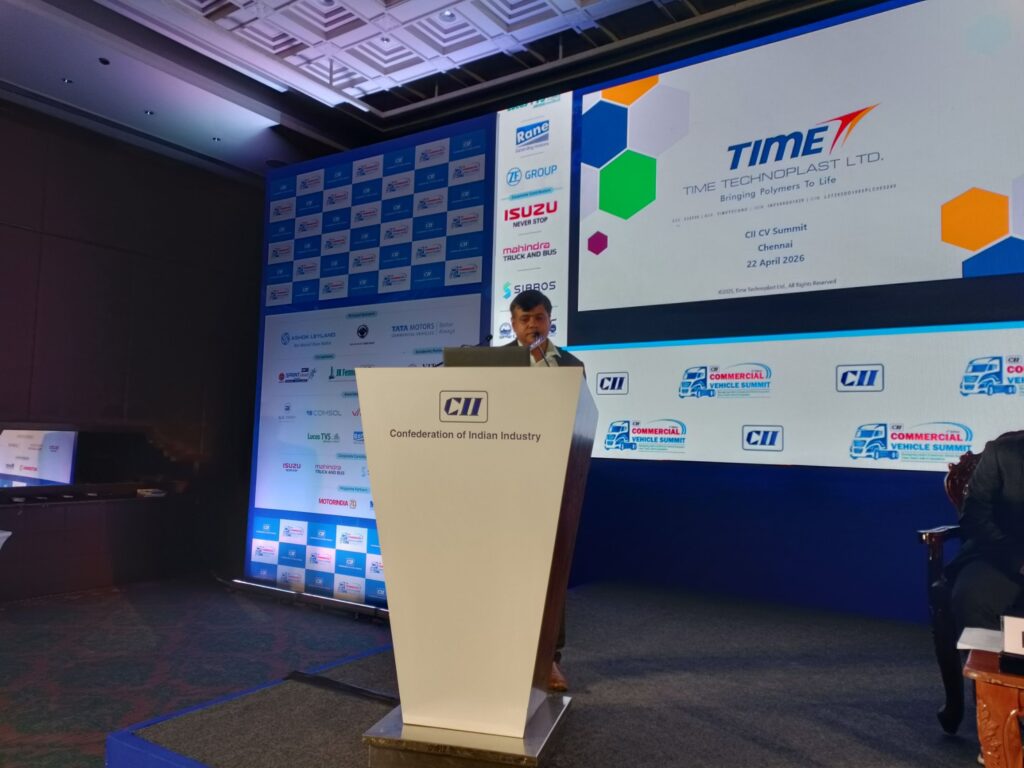
In his remarks, Mr. Makrand Lad, VP, High Pressure Gas Mobility Solutions, Time Technoplast, said, as India moves towards cleaner fuels, one piece of the puzzle is often overlooked—how these fuels are stored and transported safely. With over three decades of experience, the company has been building lightweight composite cylinders for LPG, CNG and now hydrogen, helping make these fuels more practical to use. Its journey started with LPG cylinders, and today millions are already in use, slowly replacing traditional steel cylinders.
The shift to CNG has been equally significant. These new-age composite cylinders are much lighter—up to 70%—which helps reduce transport costs and improve efficiency. As India expands its CNG network rapidly, demand for such solutions is only growing.
Looking ahead, the focus is clearly on hydrogen. With early approvals already in place and higher-pressure cylinders under development, the groundwork is being laid for the next phase of clean mobility. Behind all this is strong in-house capability—from design and manufacturing to testing—ensuring reliability and scale. As the energy ecosystem evolves, such innovations in storage will play a key role in making alternative fuels viable for real-world use, he added.
Representing Time Technoplast’s partner company, Mr. Waldemar Raskop, Sr. Manager – APAC, Poppe & Potthoff GmbH, said most discussions around hydrogen focus on how to produce it or store it. But the real challenge lies elsewhere—how to move it efficiently and safely. This is where the biggest bottleneck is emerging. Today’s hydrogen systems are often built in parts, with multiple interfaces and scattered safety controls. This makes them complex, expensive and sometimes unpredictable in performance. The more parts you add, the higher the risk—of leaks, failures and rising costs. The key insight is that hydrogen itself is not the problem. The way systems are designed is. Material innovation is also playing a role, he pointed out.
Human Element
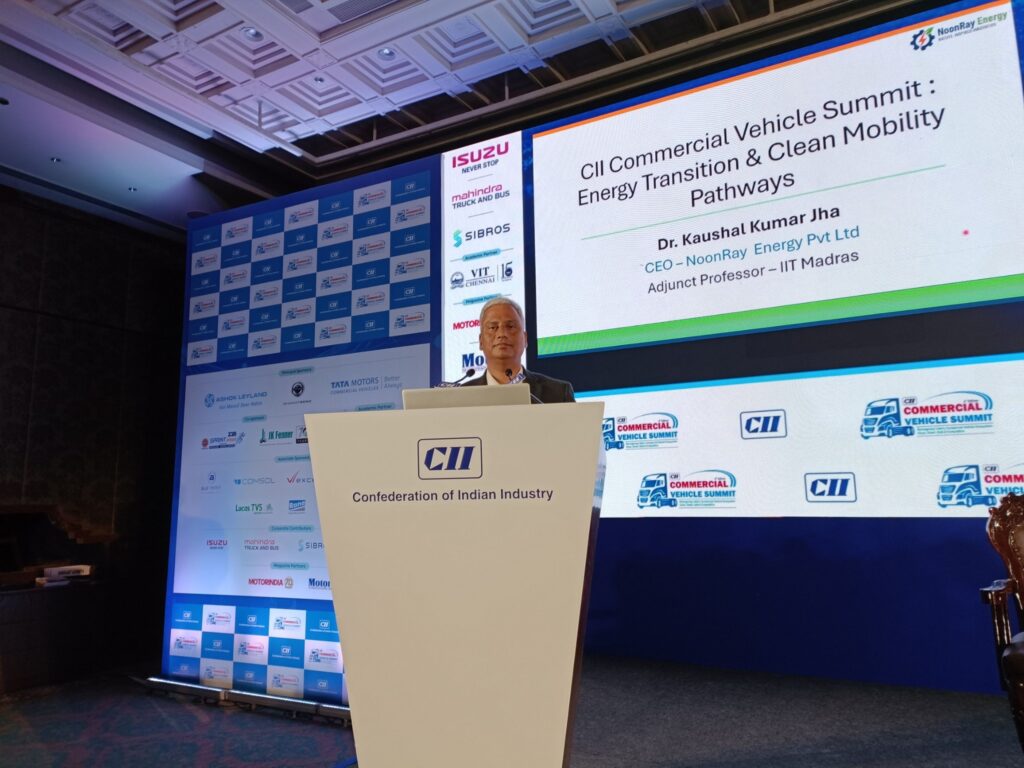
Presenting his perspective, Dr. Kaushal Kumar Jha, COO, NoonRay Energy & Adjunct Professor of Engineering Design at IIT Madras, said, with India’s economy grows, the need to move goods is rising sharply—and with it, the pressure on the trucking sector. Though trucks make up only a small share of vehicles on the road, their impact on pollution is far higher, making decarbonisation both urgent and necessary.
But the path ahead is not simple. There is no single solution that can work for a country as vast and diverse as India. Instead, the industry must adopt multiple pathways—electric trucks for shorter, predictable routes, hydrogen for long-haul operations, and cleaner alternate fuels to bridge the gap. According to him, each option comes with its own strengths and challenges. Electric vehicles are already proving viable in certain use cases, while hydrogen holds promise for the future. At the same time, alternate fuels can offer immediate, practical gains.
Yet, the real shift is not just about technology. It is about people. For any transition to succeed, it must improve the lives of truck drivers—through better working conditions, safer vehicles and proper rest infrastructure. The future of Indian trucking will be cleaner and smarter—but it must also be more human, he reiterated.