GST-led recovery sustains momentum; West Asia crisis may impact exports and margins
India’s commercial vehicle (CV) industry is expected to reach a record volume of approximately 12.4 lakh units in fiscal 2027, surpassing the previous peak seen in fiscal 2019. This follows a strong rebound of 13% in fiscal 2026. However, on a higher base, growth is projected to moderate to 5–6% in the current fiscal.
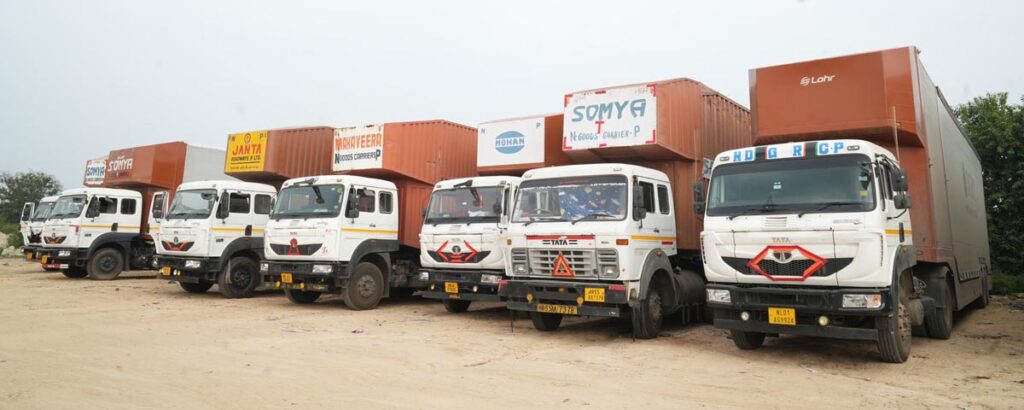
Domestic demand is expected to remain robust, supported by infrastructure-led activity, steady replacement cycles, and improved affordability following the rationalisation of Goods and Services Tax (GST) rates last year. Export performance, however, may face near-term headwinds due to ongoing geopolitical developments in West Asia.
Domestic recovery continues, led by structural drivers
Fiscal 2026 marked a strong recovery in domestic demand, driven by multiple factors. The GST rate cut from 28% to 18% in September 2025 significantly improved purchase economics and unlocked deferred demand. This was further supported by easing interest rates, better freight utilisation, and increased activity in infrastructure and mining sectors.
According to Anuj Sethi, Senior Director, Crisil Ratings, domestic demand momentum is expected to continue, albeit at a moderated pace due to the higher base. LCVs, which account for around 60% of industry volumes, are projected to grow 5–6%, driven by e-commerce and last-mile delivery demand. MHCV volumes are expected to expand by 4–5%, supported by freight movement and infrastructure spending.
Shift towards higher tonnage, rail competition in focus
Within the LCV segment, vehicles above 2-tonne gross vehicle weight (GVW) now account for approximately 73% of volumes, up from 60% in fiscal 2020, reflecting a growing preference among fleet operators for higher payload efficiency.
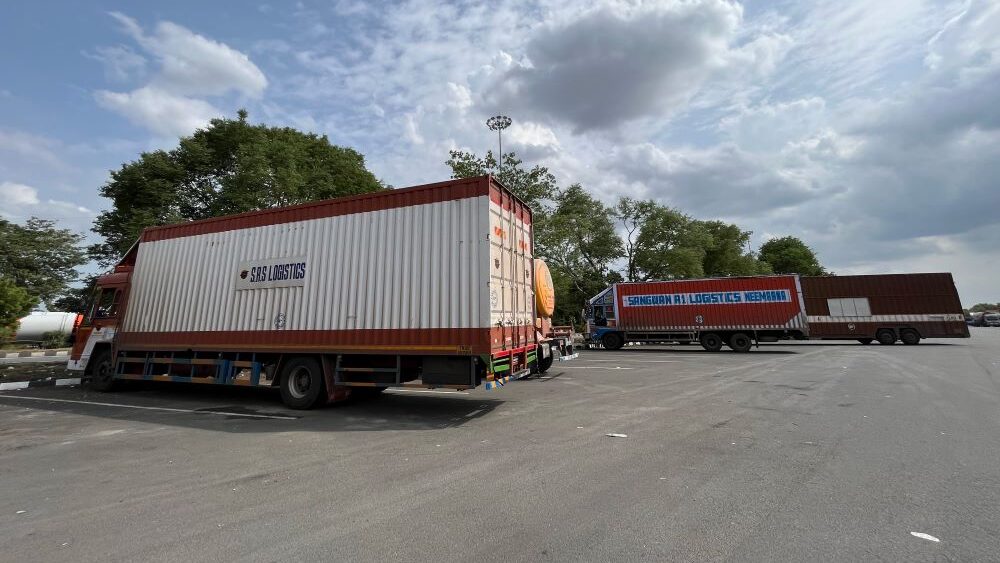
In the MHCV segment, the commissioning of dedicated freight corridors introduces increased competition from rail for long-haul cargo, which could influence replacement demand going forward.
The bus segment is expected to grow at 3–4% in fiscal 2027, supported by replacement demand and government-led procurement of electric buses. Electrification in buses is progressing faster than in other CV segments, albeit from a low base.
Exports soften amid geopolitical disruptions
Exports, which account for around 8% of total CV volumes, are likely to see a sharp deceleration in growth to 2–4% in fiscal 2027, compared to approximately 17% in fiscal 2026. West Asia, contributing nearly a quarter of export volumes, remains a key factor, with shipping disruptions delaying dispatches rather than indicating a loss of demand.
Over the medium term, India’s position as a leading MHCV manufacturing hub, along with potential trade agreements, is expected to support export growth.
Rising costs and regulations to pressure margins
Revenue growth is expected to slightly outpace volume growth, driven by calibrated price increases. However, rising input costs – including steel, aluminium, and fuel – linked to geopolitical tensions may compress operating margins by 40–50 basis points.
The cost environment is further compounded by upcoming regulatory requirements, including ADAS mandates, CAFE-III norms, and proposed Bharat Stage VII emission standards. These will necessitate continued investments in R&D, tooling, and certification, leading to higher vehicle prices over fiscals 2027 and 2028.
Despite these pressures, the industry’s credit profile remains stable, supported by strong cash flows and healthy balance sheets. Capital expenditure is expected to remain steady at around ₹5,500 crore this fiscal, focused on modernisation and regulatory compliance.