New research from IIT Kharagpur has found that scientific speed management interventions can significantly reduce fatal crash risk, fatalities, and crash severity on Indian highways — providing critical evidence for policymakers working towards India’s goal of halving road crash fatalities and serious injuries by 2030.
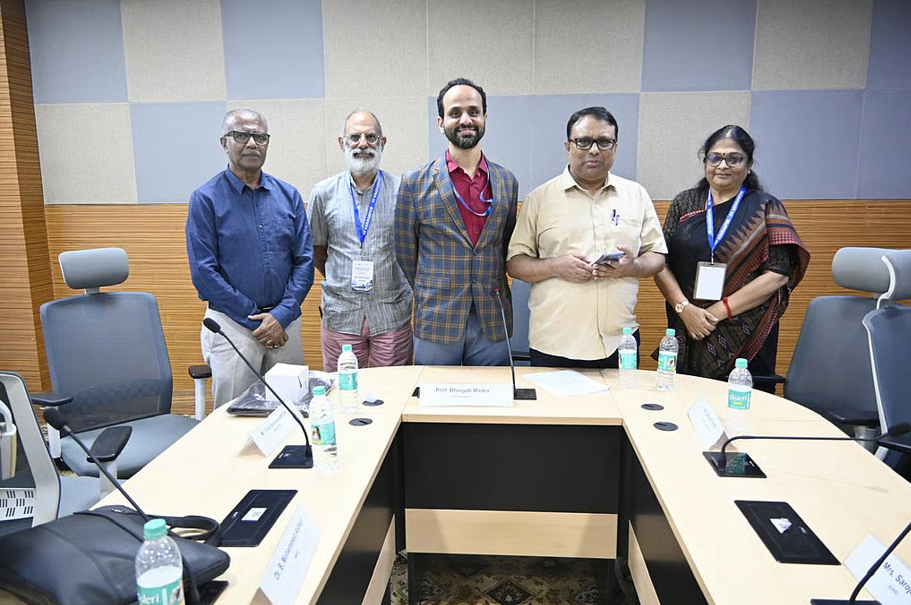
The findings were presented at a high-level road safety dialogue organised by the Road Safety Network (RSN) in partnership with IIT Kharagpur, at a time when India continues to grapple with a severe road safety crisis, with over 1.8 lakh lives lost in road crashes in 2024.
What the Study Found
Conducted on a 51-km stretch of NH-16 between Balihati and Kolaghat in West Bengal, the study examined the impact of design-based speed management measures on vehicle behaviour and crash outcomes. The interventions reduced operating speeds by 39–45% for cars, 29–33% for heavy vehicles, and 18–28% for two-wheelers. Researchers also recorded significant reductions in fatal crashes, fatalities, crash severity, and the risk of a crash turning fatal at locations where such measures were implemented.
Speeding remains one of the leading causes of road crashes in India. According to the Ministry of Road Transport and Highways’ Road Accidents in India 2024 report, over-speeding accounted for 62% of all road crashes and resulted in more than one lakh fatalities nationwide. Pedestrians continue to bear a disproportionate burden, accounting for 20.6% of all road crash fatalities.
Expert Voice
Prof. Bhargab Maitra, Department of Civil Engineering, IIT Kharagpur, and Member of the Road Safety Network, said, “The Safe System approach reminds us that while people may make mistakes, our roads, policies and systems must be designed to ensure those mistakes do not result in fatalities or serious injuries. When speeds are aligned with the function of the road and the needs of all road users, particularly vulnerable road users, we can significantly improve safety outcomes.”
Policy Recommendations
The dialogue also saw the Road Safety Network present a set of recommendations for the Ministry of Road Transport and Highways and relevant state authorities. These included rationalising speed limits based on road function and user risk, adopting context-sensitive speed zoning frameworks, strengthening road infrastructure and access control, expanding technology-enabled enforcement, improving crash data systems, and enhancing institutional coordination across transport, enforcement, health, and urban development sectors.
The discussion brought together government officials, public health experts, researchers, and road safety practitioners, including representatives from the World Health Organization, SaveLIFE Foundation, Parisar, and the Government of West Bengal.