Hon Hai Technology Group (Foxconn), globally renowned as a powerhouse in smart consumer electronics and ICT services, is rapidly accelerating its expansion into the smart mobility sector. Showcasing its latest innovations at the Taipei 360° Mobility Show 2026, the company is proving that its future lies far beyond smartphones and computing products. By investing heavily in electric vehicles (EVs), digital health, and robotics, Foxconn is transforming into a comprehensive technological services provider for the automotive world.
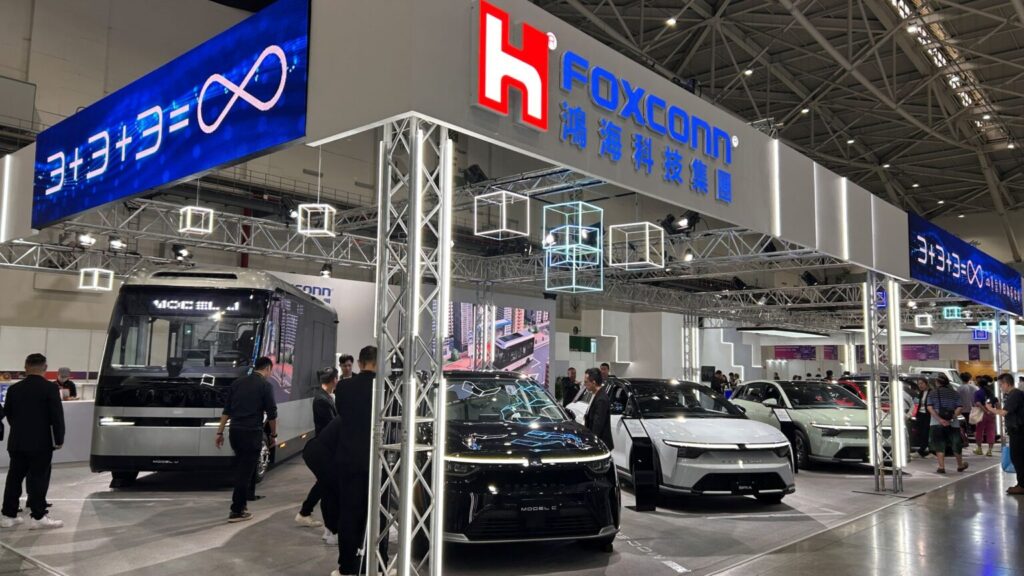
Rather than competing directly in the consumer car market, Foxconn has strategically positioned itself as an indispensable B2B partner for global automotive OEMs.
“For Foxconn, our dialogue is primarily with OEM companies. We are strictly a B2B enterprise providing highly tailored solutions for our clients. Whether a partner requires a complete vehicle solution, specifically for EVs or advanced battery technologies, or simply needs specific IC components, we have the capacity and scale to deliver exactly what they need,” said Jimmy Huang, Foxconn Deputy Spokesperson.
The Power of the CDMS Model
Central to Foxconn’s automotive strategy is its Contract Design and Manufacturing Service (CDMS) model. This highly adaptable framework allows Foxconn to serve traditional automakers and emerging mobility brands alike, offering everything from customized modules and lightweight chassis to comprehensive after-sales support.
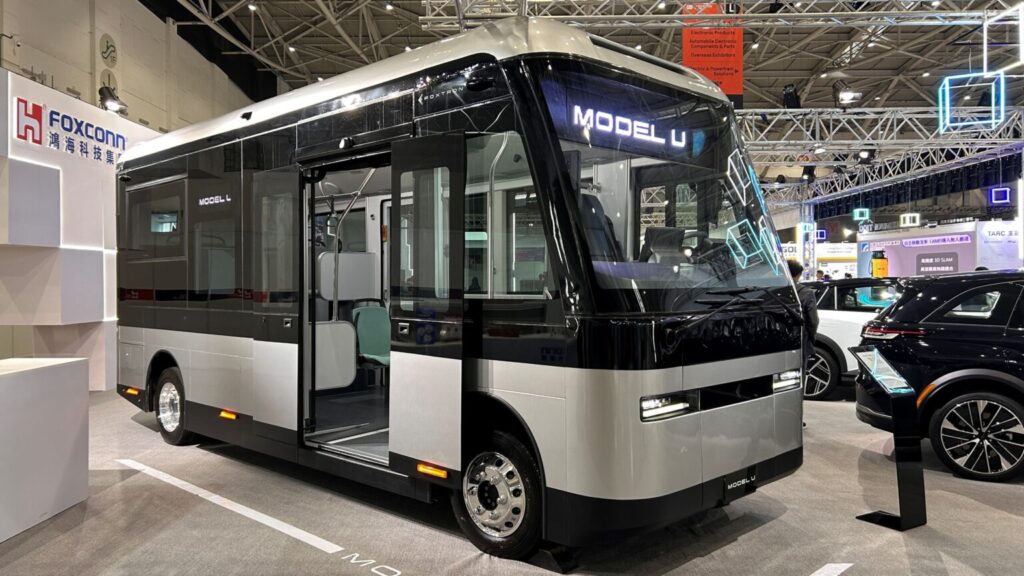
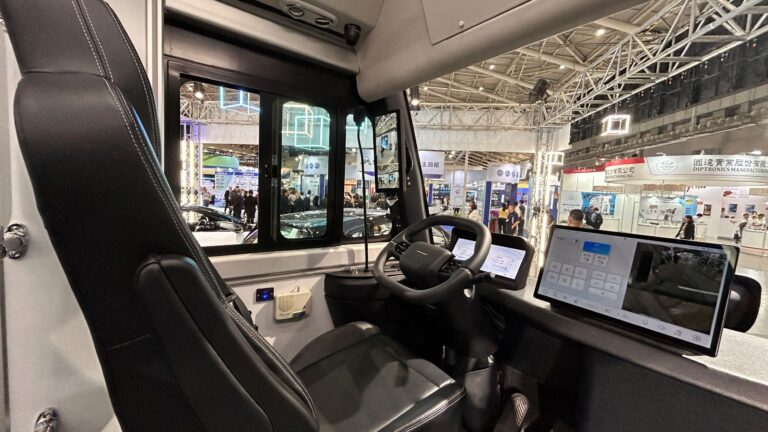
“Foxconn operates on a unique CDMS business model. Everything depends entirely on what the client requires. Whether they want us to generate innovative vehicle designs, handle the actual manufacturing process, or exclusively support their after-sales market operations, we completely customize our collaborative efforts,” he stated.
Bridging ICT Heritage with Automotive Innovation
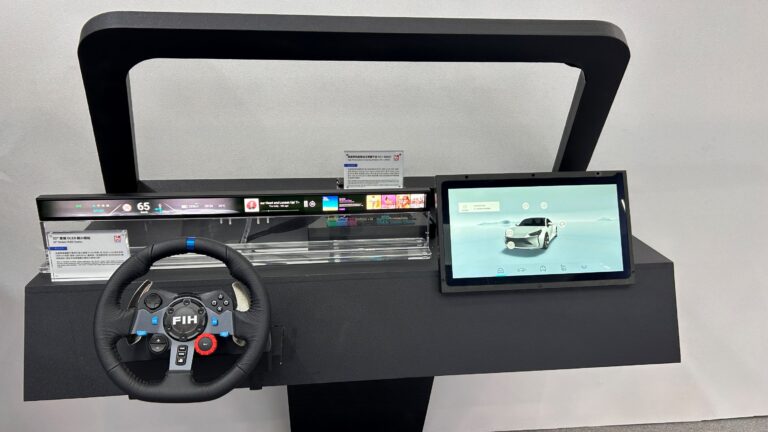
As the automotive industry shifts toward software-defined vehicles, Foxconn is leveraging its decades of dominance in cloud networking, computing, and smart consumer electronics. The company’s open EV platforms integrate a powerful Electrical/Electronic Architecture (EEA) and cutting-edge autonomous driving technologies (x-by-wire platforms), ensuring seamless communication between vehicle machinery and electronic structures.
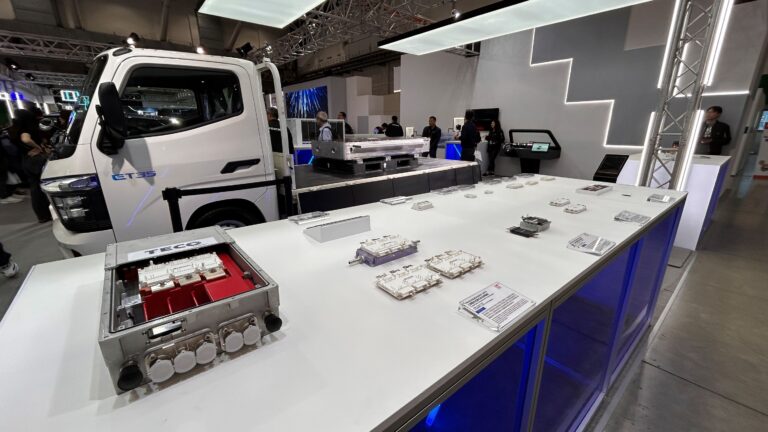
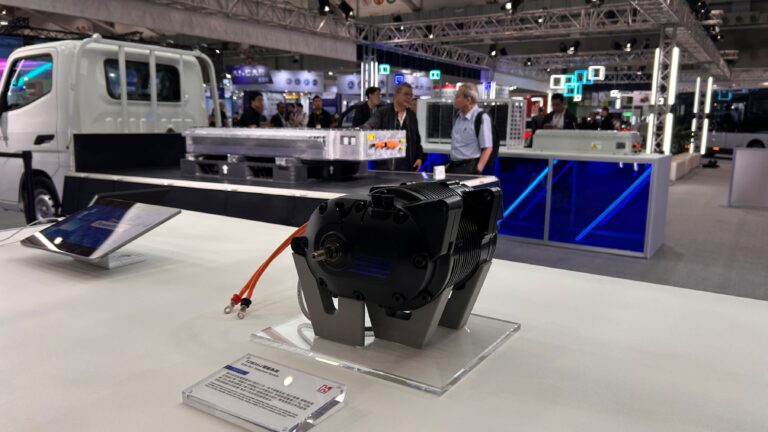
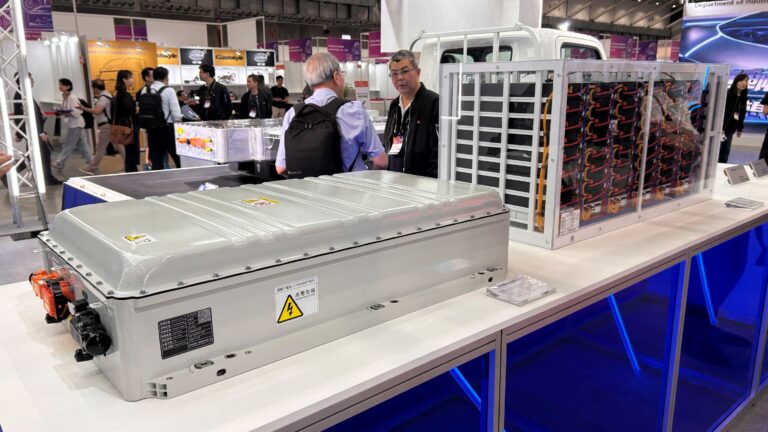
“Our main focus is the EV sector because the future dictates that electronic components will account for a significantly higher percentage than in traditional vehicles. Foxconn possesses a deep, long-standing history in the ICT industry, giving us a unique advantage in seamlessly integrating complex software and hardware directly into modern automotive architectures,” he explained.
A Comprehensive, Sustainable EV Portfolio
Foxconn’s aggressive push into the EV market is heavily driven by global Environmental, Social, and Governance (ESG) initiatives. To support the global transition to zero-emission transportation, Foxconn has developed a remarkably diverse, self-developed lineup of EVs. This includes the aerodynamically optimized Model C SUV, the Pininfarina-designed Model E luxury sedan, the stylish Model T urban bus, and the highly versatile Model V electric pickup. Furthermore, their portfolio extends to the Model B urban crossover, the Model N sustainable logistics van, and the newly conceptualized Model D lifestyle utility vehicle.
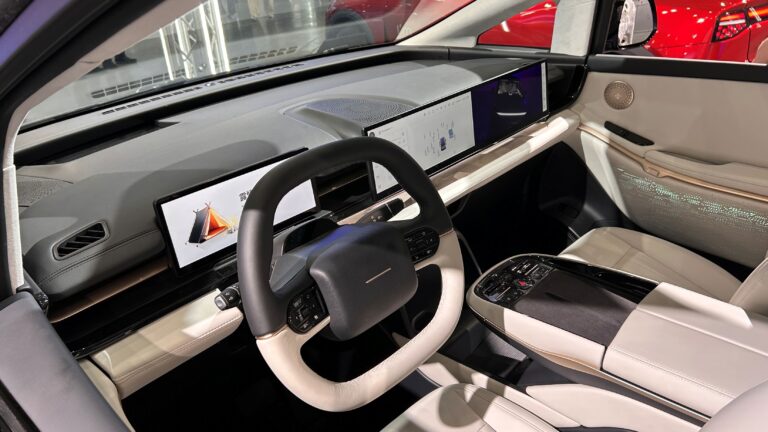
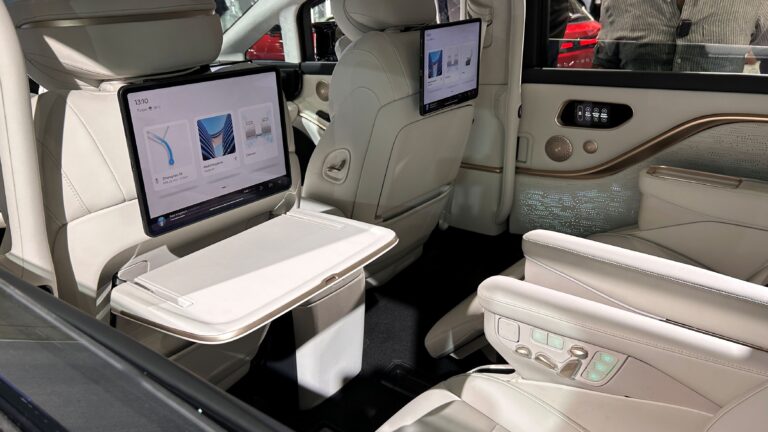
“The primary reason we boldly transitioned into the EV industry is deeply rooted in our steadfast commitment to global ESG principles. We recognize that the future of transportation relies entirely on EVs, with governments worldwide pushing for passenger cars to transition toward electric alternatives to foster a dramatically cleaner, more sustainable environment,” he said.
By combining customizable hardware modules with advanced autonomous technologies and an unwavering commitment to sustainability, Foxconn is successfully translating its manufacturing supremacy into the automotive age. Through strategic partnerships and relentless innovation, Foxconn is actively architecting the neural network of tomorrow’s intelligent transportation ecology.