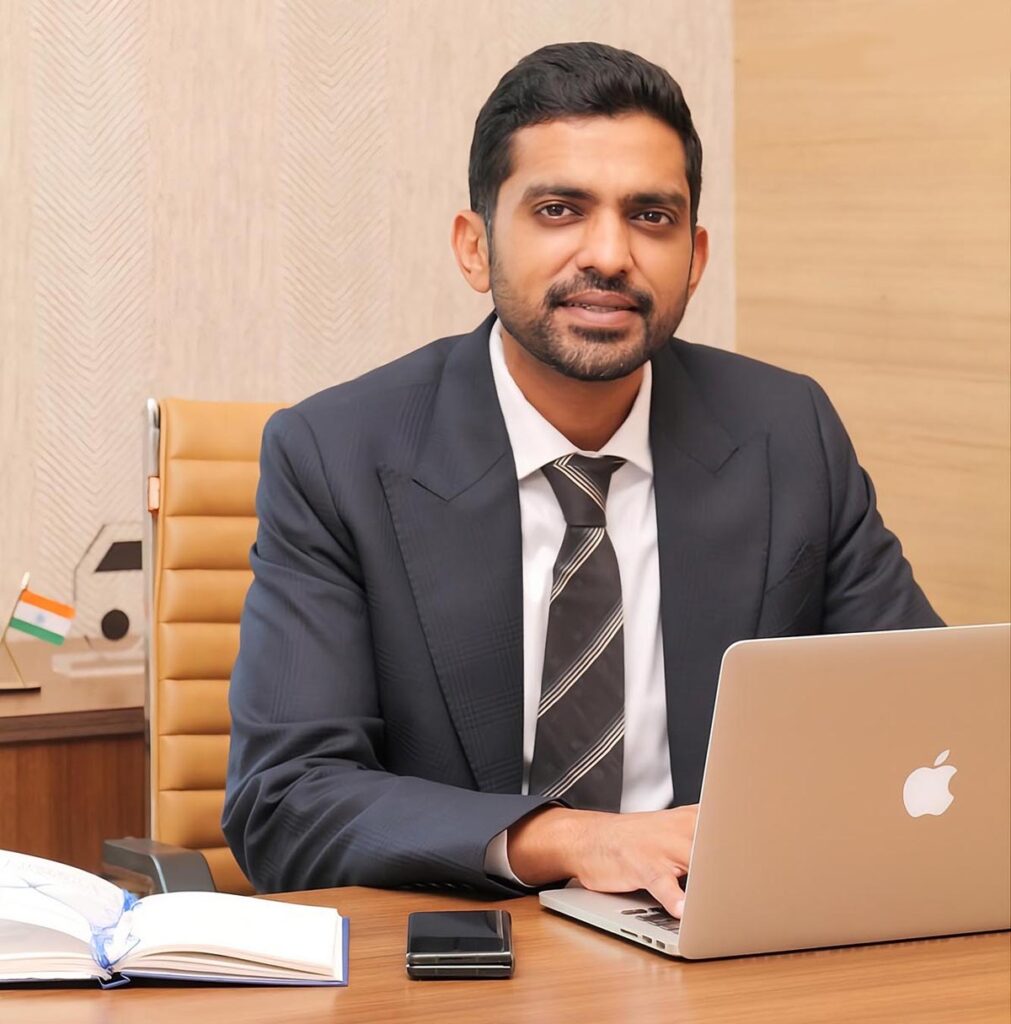
In a world where supply chains are more connected and more vulnerable than ever, the ability to scale without losing resilience is no longer a competitive edge; it is the baseline, says, Mr. Nikhil Agarwal, President, CJ Darcl Logistics.
The world is reshaping where it makes things — and logistics companies are feeling the pressure like never before. As manufacturers look for China + One strategy for their sourcing needs, they need logistics partners who can move goods across oceans, borders, and continents without missing a beat — switching seamlessly between ships, planes, trains, and trucks to find the fastest, smartest route and keep supply chains moving. Real-time visibility across every link — powered by IoT sensors, digital control towers, and predictive analytics — is now non-negotiable.
According to Mr. Agarwal, India is well positioned to benefit from this shift. Backed by PM Gati Shakti and the National Logistics Policy, India’s logistics market is projected to grow from $246 billion in FY25 to $362 billion by FY30, driven by its growing role as a global manufacturing and export hub for automobiles and auto components. Digitalisation will be equally defining, with manufacturers increasingly expecting AI-driven demand forecasting, warehouse automation, and real-time shipment visibility. As OEMs pursue decarbonisation targets, logistics providers will be expected to cut emissions through multimodal transport, route optimisation, and alternative fuel fleets.
The Road Ahead
The company’s Mission 2030 is centred on building a more integrated, intelligent, and future-ready logistics ecosystem to support India’s next phase of automotive and industrial growth. A key priority is deepening multimodal integration across road, rail, coastal, and air transport, backed by expanded warehousing, freight forwarding, and value-added services for comprehensive end-to-end solutions. Through its digital platform MoveX, the company is driving greater operational integration, real-time visibility, and data-led decision-making toward a fully connected operating model.
“Sustainability remains a long-term priority, with a focus on improving freight efficiency, optimising network utilisation, and enabling more responsible logistics practices across operations. Supported by our partnership and presence across 38 countries, the broader target is to build a globally connected, multimodally integrated, and technology-led logistics network. This positions us to support India’s automotive ambitions in a more sustainable and scalable way through 2030 and beyond,” Mr. Agarwal concluded.
“Logistics providers must also navigate shifting tariffs and compliance requirements, including India’s PLI scheme, while strategically positioning just-in-time warehouses and buffer stocks to absorb global market shocks.”