Three-year engineering partnership expands air-suspension applications across India’s commercial vehicle landscape
BPW Trailer Systems India and GreenLine Mobility Systems have achieved a significant milestone with 1,000 vehicles equipped with BPW air suspension, marking three years of collaboration focused on application-specific engineering, improved vehicle performance and more efficient commercial mobility.
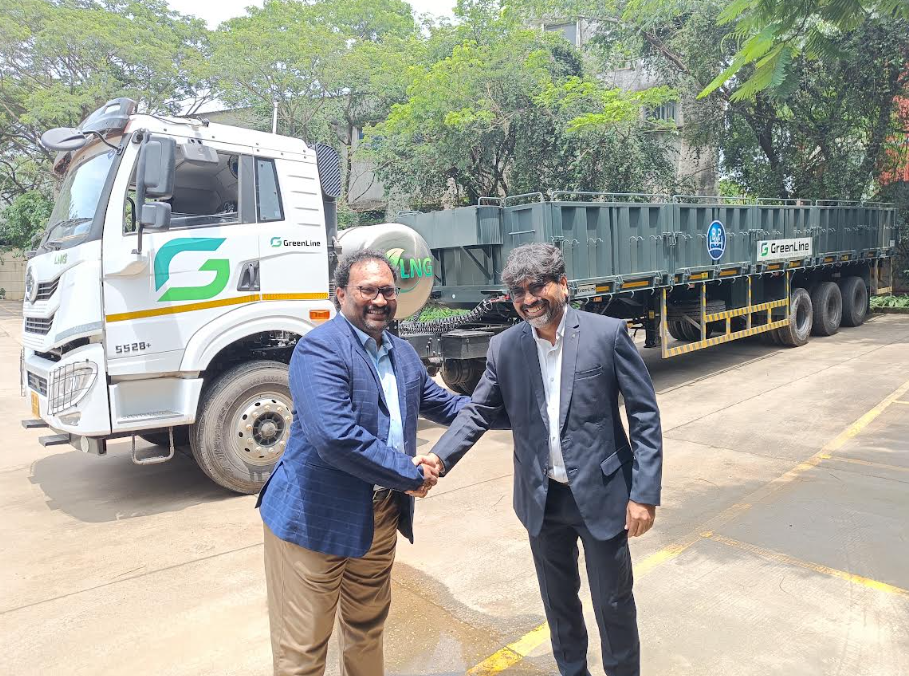
The partnership began in 2023 with sidewall trailers and bulkers and has since expanded across a diverse range of applications, including tankers, container trailers, cement bulkers, flatbeds and mining tip trailers. The collaboration has also helped demonstrate the potential of air suspension in demanding applications where the technology was traditionally considered unsuitable.
Engineering beyond the product
Speaking on the milestone, Mr. Nagaraj Ubale, Managing Director, BPW Trailer Systems India, said, “The 1,000-vehicle milestone is a reflection of a complete ecosystem coming together. These vehicles have been engineered for specific applications, with BPW, GreenLine and trailer manufacturers working together right from the drawing board. This kind of synchronisation between partners is what will help shape the next generation of commercial vehicles in India.”
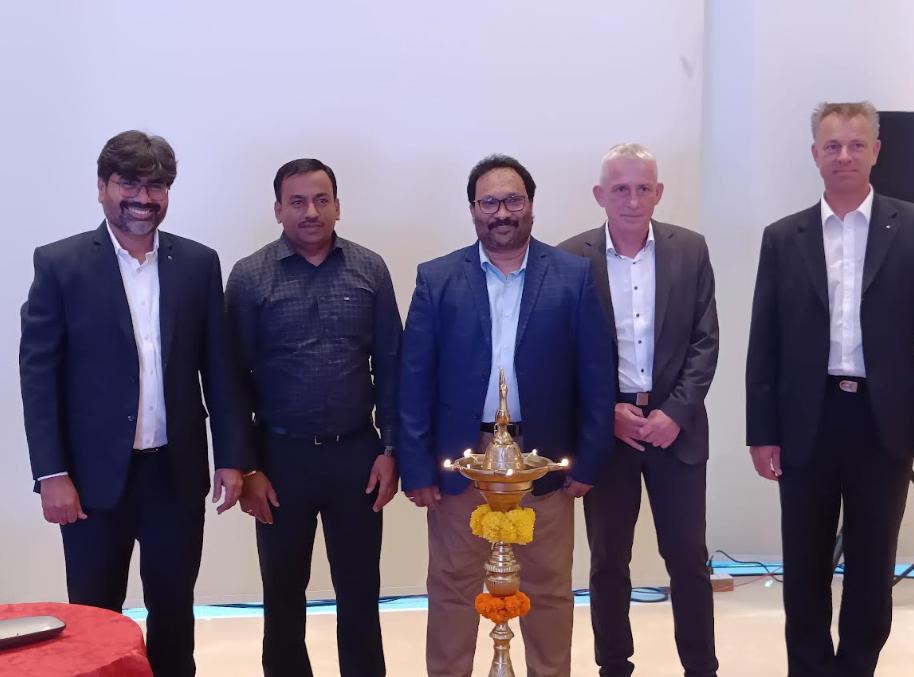
The collaboration has challenged conventional perceptions around air suspension, particularly in demanding off-road applications. More than 80 BPW air-suspended vehicles are currently operating in mining applications, demonstrating the system’s capability across challenging operating conditions. According to BPW, air suspension can also offer advantages in payload capability, ride quality, vibration control and tyre performance.
For GreenLine, the relationship has evolved well beyond the selection and fitment of a suspension system. Mr. Vijayakumar Velayutham, Director and CEO, Green Mobility Automotive Applications Pvt Ltd, said, “It is not just a product that we bought and fitted onto the vehicle. It is a product engineered along with the application. We jointly worked on selecting the product, optimising its position on the vehicle and defining the right wheelbase, dimensions and overall vehicle envelope.”
Focus on uptime and operating economics
The partnership has also placed significant emphasis on after-sales support and vehicle uptime. BPW has established service and spare-parts support across key locations where GreenLine’s vehicle population operates, while periodic maintenance is being undertaken to minimise unexpected downtime. The companies are also exploring AMC-based support to provide long-term maintenance coverage.
The air-suspension system has contributed to improved ride comfort and vibration control, while its integration with electronic braking and other vehicle systems opens opportunities for greater safety and operating efficiency. GreenLine is also exploring telematics and tyre-inflation solutions that can provide drivers and fleet operators with real-time information and simplify preventive maintenance.
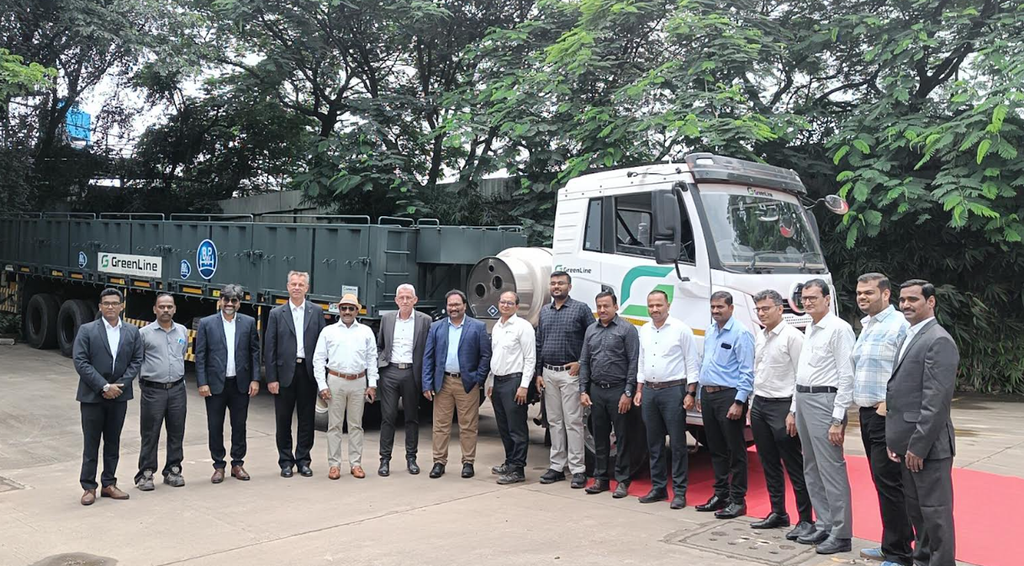
Vijayakumar added, “With BPW as our technology partner, we have a service setup wherever our vehicle population is operating. Preventive maintenance is a major advantage because the objective is to ensure that the vehicle remains operational rather than waiting for a failure. We are also working towards strengthening parts availability and the overall service network.”
From air suspension to connected trailers
For BPW, the 1,000-vehicle milestone is also an important step in its broader strategy of bringing integrated running-gear, braking, suspension and digital solutions to the Indian commercial vehicle market.
The company sees vehicle digitisation, trailer interchangeability, axle-load monitoring and connected fleet management as important areas for the next phase of development. With electronic braking, air suspension and telematics increasingly working together, BPW believes trailer systems can play a greater role in improving asset utilisation and reducing operating costs.
“The next phase is about taking proven engineering into the digital era,” said Ubale. “Air suspension, electronic braking, axle-load monitoring and telematics can work together to improve asset utilisation, maintenance and operating economics. Our objective is to continue working with customers and manufacturers to build solutions that are safer, more efficient and future-ready.”
The 1,000-vehicle milestone therefore represents more than a numerical achievement. It highlights how collaboration between a technology provider, fleet operator and trailer manufacturers can accelerate the adoption of advanced commercial vehicle technologies and create solutions engineered specifically for India’s diverse operating conditions.