ZF’s flagship modular transmission platform, TraXon, has crossed yet another landmark with the 1.5 millionth unit rolling off its global production lines. First introduced in 2014, the TraXon system reshaped expectations for heavy-duty commercial vehicle transmissions, earning a reputation as an industry benchmark for efficiency, durability and intelligent control. The system is produced across ZF plants in Germany, China and Brazil, catering to surging global demand for high-efficiency drivetrains.
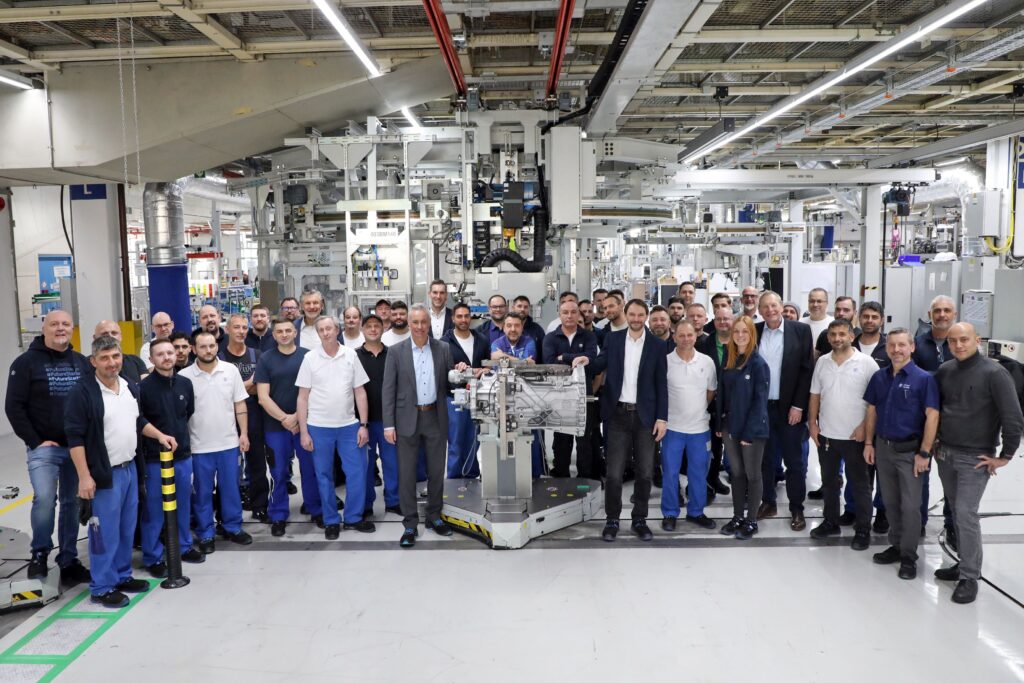
Mr. Christian Feldhaus, Vice President of the Transmissions & Hybrids product segment at ZF’s Commercial Vehicle Solutions Division, noted the platform’s enduring impact: “The original TraXon introduced innovations in transmission technologies that have set the standard for the industry. Thanks to its high performance and efficiency, it quickly established a global reputation as the benchmark transmission for heavy-duty commercial vehicles globally. With last year’s launch of the TraXon 2, we are building on that heritage with a transmission that delivers even faster shifting, enhanced digital integration and improved fuel economy.”
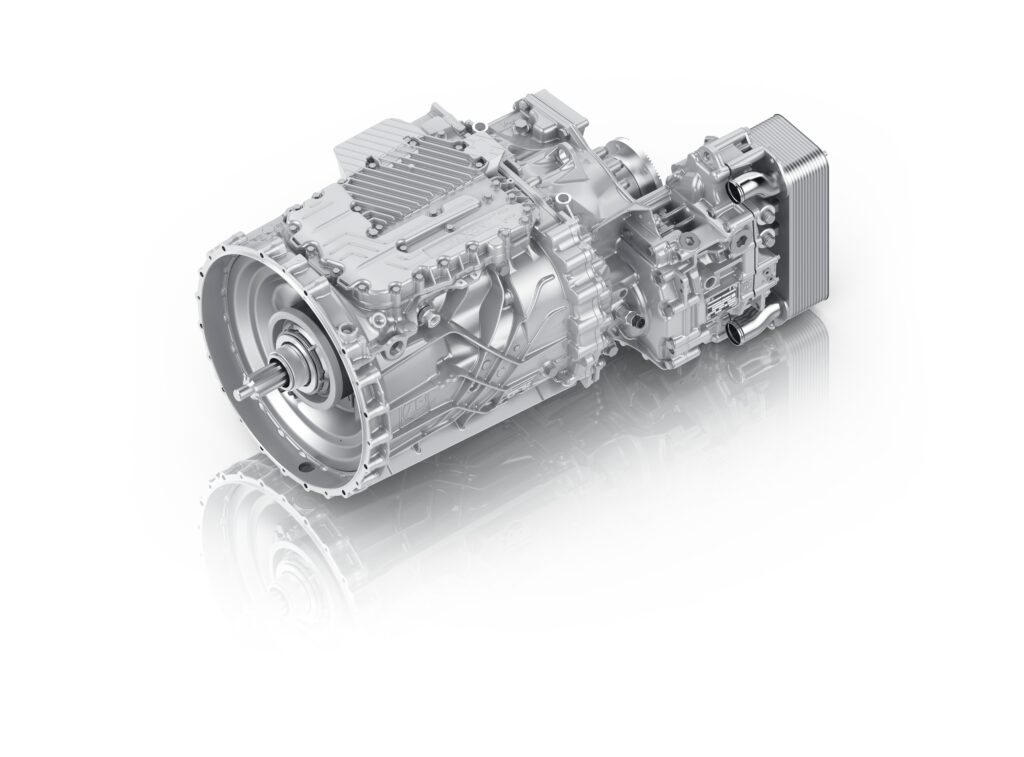
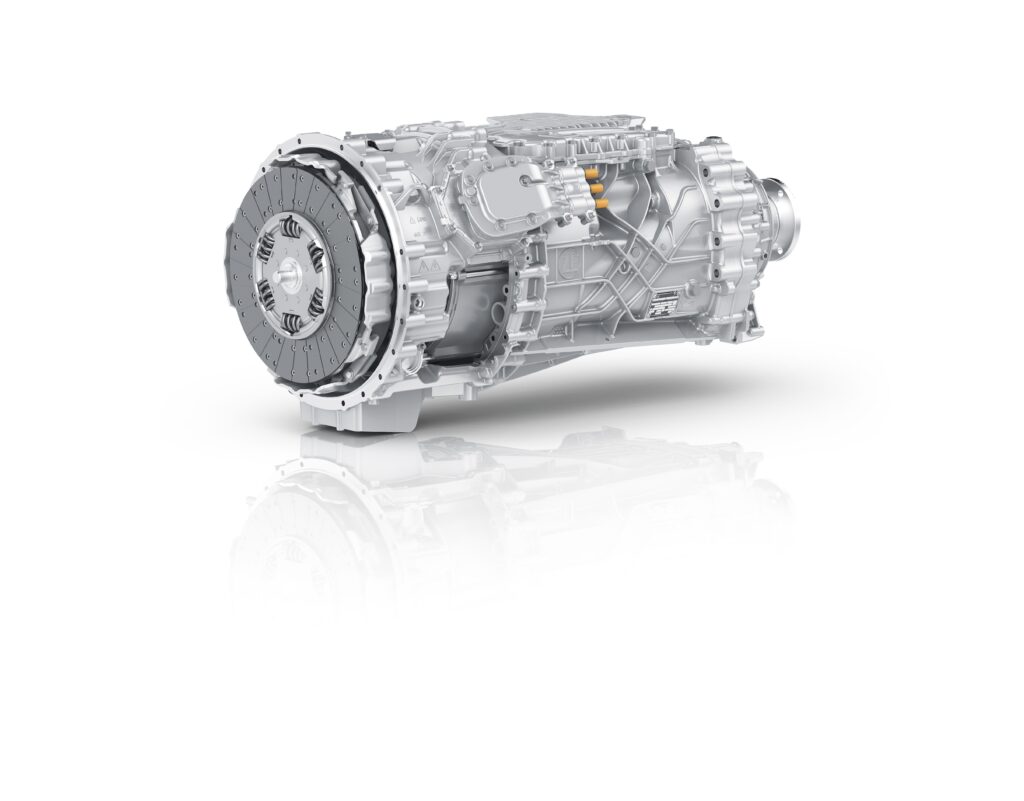
Building on that success, the newly launched TraXon 2 features upgraded microprocessors, integrated security modules, advanced functional software and in-house engineered ECUs and shift actuators. These enhancements deliver improved shift quality, smarter vehicle integration and measurable reductions in fuel consumption. The transmission is engineered for a wide range of applications—including heavy-duty trucks, coaches, and medium-to-heavy mobile cranes.
Preparing for an electrified future, ZF is developing the TraXon 2 Hybrid, the next evolution of the platform. The hybrid variant will offer electric-only driving capability, allowing zero-emission operation in urban zones while switching seamlessly to combustion power for longer routes. This makes it a strategic solution for fleets navigating tightening emission regulations and growing sustainability commitments.