With cutting-edge technologies the company is helping Indian OEMs move from reactive quality control to proactive, smart manufacturing, setting the stage for a future where efficiency and accuracy go hand in hand.

As emission norms grow tighter, commercial vehicle (CV) makers in India are facing a difficult balancing act. Cleaner engines often mean a drop in fuel efficiency, pushing manufacturers to find new ways to regain lost performance. One of the most effective ways to do that lies not under the hood, but in the finer details of how a vehicle is built — the accuracy of every fit, the tightness of every tolerance, and the smoothness of every surface.
This is where ZEISS enters the story. With decades of expertise in precision optics, ZEISS now brings advanced optical scanning and 3D measurement technologies to automotive manufacturing. Their systems capture extremely detailed 3D data of vehicle body parts, helping OEMs achieve tighter tolerances and better surface quality. What once required slow, manual checks can now be done in minutes with robotic inspection and automated measurement tools — making quality control faster, more accurate, and more consistent.
In a conversation with this publication, Mr. Aveen Padmaprabha, Head of Industrial Quality Solutions at ZEISS India & Neighbouring Markets, explained how these tools directly benefit Indian CV manufacturers. According to him, ZEISS’s non-contact measurement systems detect dimensional errors early, long before they turn into defects or rework. They also enable quicker inspection cycles and support virtual validation using digital twins, speeding up the transition from design to production. “By optimising material usage and reducing waste, our solutions make quality both achievable and cost-efficient,” he said.
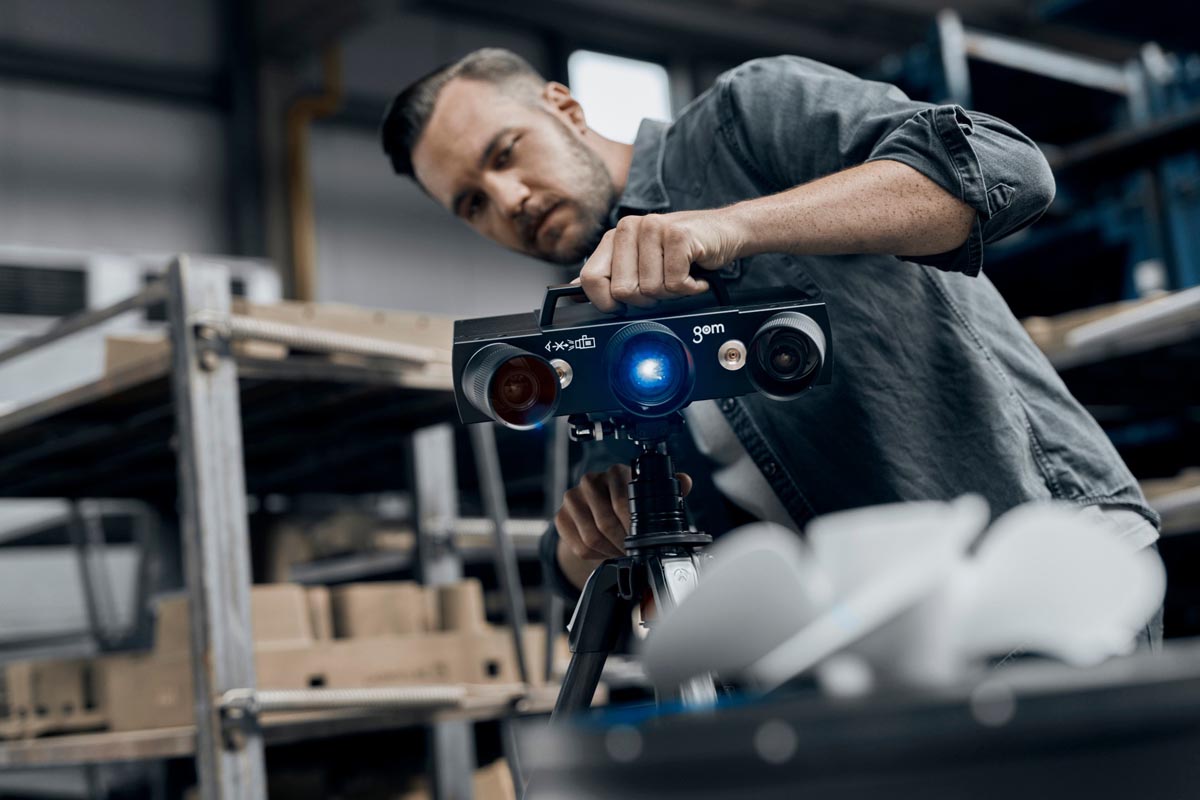
But ZEISS’s impact goes beyond fit and finish. Its technologies also help OEMs refine aerodynamics — a crucial factor in fuel efficiency. With tools like the ZEISS T-SCAN hawk 2 and ZEISS ScanBox, manufacturers can analyse vehicle surfaces with high precision, reduce drag, validate lightweight materials, and ensure structural strength. Every improvement here contributes directly to lower emissions and reduced Total Cost of Ownership (TCO).
When Robots Take Over the Fine Details
In India’s busy CV factories, speed and precision must work hand in hand. This is where robotic inspection and automated quality control from ZEISS IQS are quietly transforming the shop floor. Systems like the ZEISS ScanBox act like tireless inspectors, scanning every panel and surface with incredible speed and accuracy. Instead of relying on manual checks, the robots analyse each part in real time, spotting even the smallest variations that could affect fit, finish, or performance.
What makes these systems even more powerful is the software behind them, he said. Tools like ZEISS PiWeb collect and interpret thousands of data points, helping manufacturers understand exactly where a process needs correction. With fewer interruptions, fewer errors, and a smooth flow of information, production lines become faster, more predictable, and far more reliable.
But ZEISS isn’t just improving accuracy — it’s making plants smarter. Its digital integration tools link every stage of the production line, giving manufacturers a live picture of quality as vehicles move through the plant. If a deviation appears, engineers can act immediately, preventing defects and cutting down on waste. With IoT connectivity and predictive analytics built in, these systems lay the foundation for fully digital, Industry 4.0-ready factories, he pointed out. The result is a seamless loop of measurement, insight, and action — a digital nervous system for the modern CV plants.
Turning Data Into Decisions, and Decisions Into Better Vehicles
On a modern shop floor, quality issues rarely announce themselves — they hide in small deviations, subtle patterns, and data that is easy to miss. This is where ZEISS’s proprietary software steps in like a guiding hand. Tools such as ZEISS PiWeb and ZEISS CALYPSO take raw measurement data and turn it into clear, easy-to-read insights. Instead of engineers digging through reports, the system highlights trends, flags issues, and displays everything on real-time dashboards. “By providing clear overview of production quality, ZEISS software helps manufacturers improve processes, reduce errors, and ensure consistent product quality in a competitive market,” Mr. Padmaprabha explained.
This digital intelligence becomes even more important as the commercial vehicle world moves toward Software-Defined Vehicles (SDVs). Globally, SDVs are reshaping how vehicles are built and updated, and India’s CV and off-road sectors — including mining and construction — are expected to follow within the next 5–10 years. These machines will rely heavily on sensors, electronics, ECUs, and continuous software updates, he said.
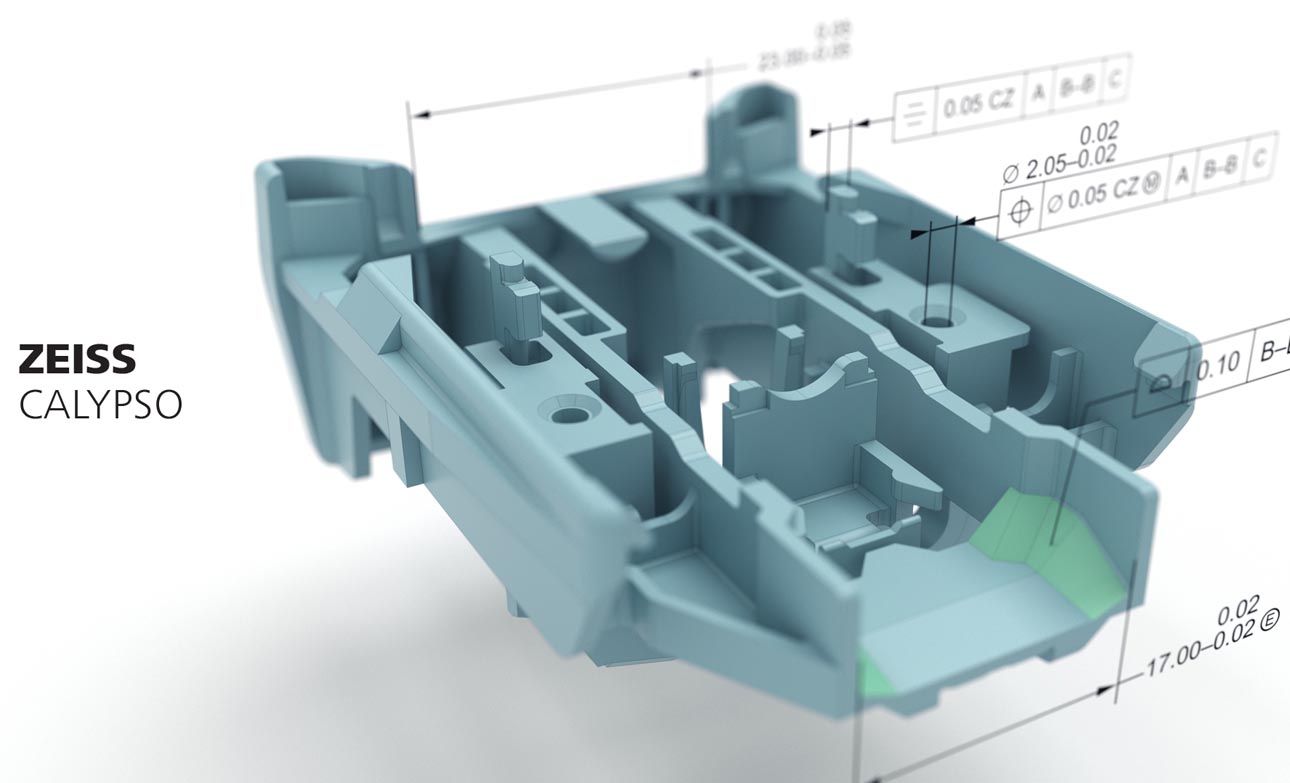
ZEISS is already preparing manufacturers for this shift. Its precision measurement tools help ensure that sensor mounts, electronic units, and structural components are perfectly aligned. Automated inspection systems verify that every part meets the high accuracy required for software-driven functions. Digital twins allow OEMs to test designs virtually, long before physical prototypes are built. And ZEISS’s connected quality platforms ensure that all this data flows seamlessly into an SDV-ready ecosystem.
In this emerging landscape, the company is helping reshape how commercial vehicles are built in India — making them more aerodynamic, more efficient, and far better engineered for the road ahead.