As India’s bus manufacturing ecosystem aligns with the twin imperatives of safety and sustainability, Viva Metal Composite Panel (Viva ACP) is emerging as a key technology partner for OEMs and body-builders looking to modernize vehicle structures. Known for its strong engineering roots in aluminium composite panels, the company has steadily transitioned from architectural applications to mobility solutions, developing specialized products tailored to the evolving demands of public transport.

“Safety and regulatory compliance are the foundation of every product we develop for the transport sector,” says Mr. Nitin Jain, Director, Viva Metal Composite Panel, setting the tone for Viva’s approach to innovation. The company has meticulously aligned its ACP solutions with the Ministry of Road Transport & Highways (MoRTH) guidelines and Automotive Industry Standards (AIS) for bus-body construction, both of which lay heavy emphasis on fire resistance, structural integrity, and passenger safety.
Unlike building façades, bus bodies face dynamic stresses, vibrations, and extreme temperature cycles. Viva has responded to these unique challenges by engineering specialized Fire-Retardant (FR) Grade panels with low smoke density and zero halogen emissions. Each batch undergoes rigorous testing for adhesion, impact resistance, and thermal expansion – ensuring reliability under real-world transport conditions. “Our focus is to not only meet but exceed safety expectations,” says Jain, “ensuring that Viva panels contribute to safer, lighter, and more efficient public transport systems.”
Engineering for Efficiency: The Weight Advantage
In an era where every kilogram matters, Viva ACP has made measurable contributions to the efficiency of modern buses. The company’s aluminium composite panels are 35–40% lighter than conventional metal sheets typically used in bus-body construction. Jain cites a recent collaboration with a leading Indian bus manufacturer: “The integration of Viva ACPs reduced the overall body weight by nearly 180–200 kg, translating to a 3–4% improvement in fuel efficiency and lower CO₂ emissions over the vehicle’s service life.”
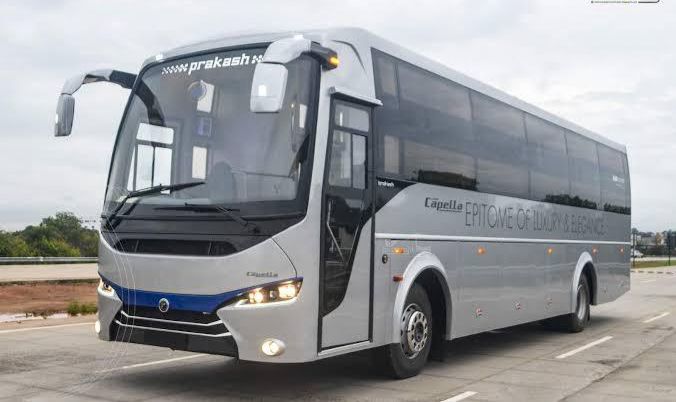
This weight advantage is not achieved at the cost of strength. Viva’s engineering teams have optimized the core and bonding systems to maintain mechanical rigidity and crashworthiness. “We’ve managed to balance lightweight construction with high durability and long service life – a combination that OEMs value when assessing total cost of ownership,” Jain notes.
Manufacturing Innovation: R&D Meets Scalability
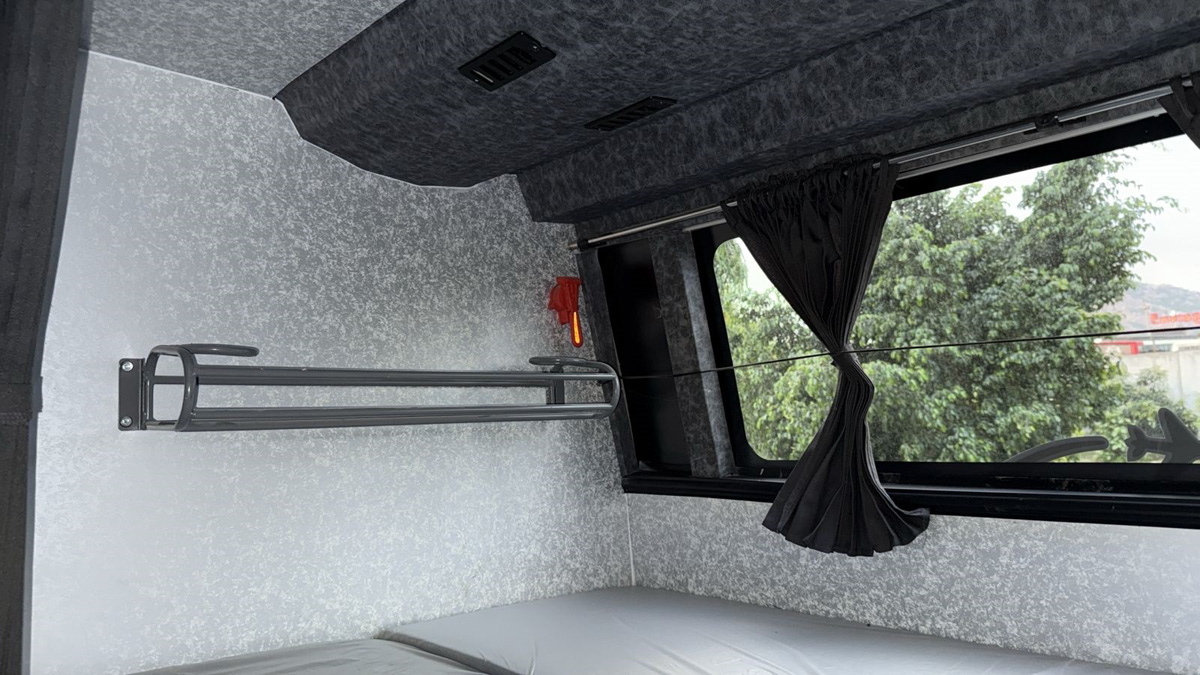
Viva’s R&D and production capabilities have evolved to match the precise demands of commercial-vehicle applications. The company has re-engineered its ACP manufacturing process, introducing a specially formulated mineral core that delivers superior fire resistance while maintaining a low-density profile. Advanced bonding techniques now ensure consistent adhesion even under continuous vibration and wide temperature variations – a common operating challenge in India’s diverse climatic conditions.
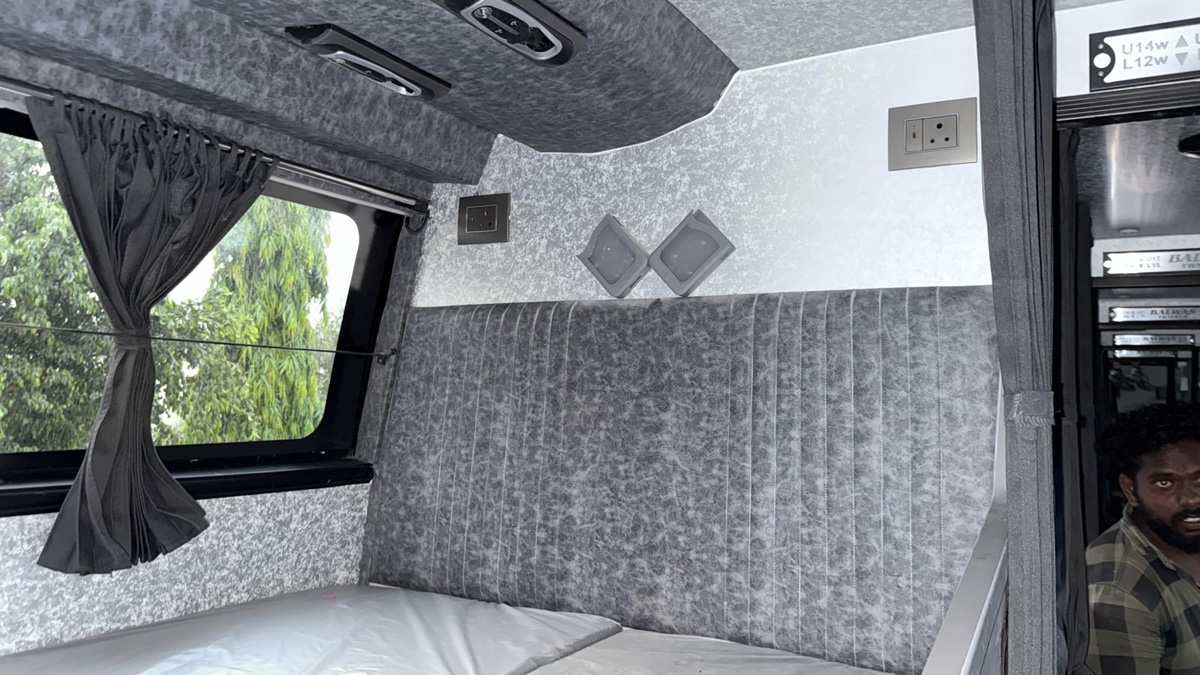
Adding to that, the company’s in-house coil coating line employs PVDF and FEVE coatings, known for their long-term UV stability and corrosion resistance. “For vehicles that travel across regions – from coastal belts to arid interiors – surface durability is a critical factor. Our coatings ensure that the finish and structural integrity remain uncompromised,” explains Jain.
Viva operates from its state-of-the-art facility in Umbergaon, Gujarat, with an annual production capacity of over 7 million square metres. Dedicated production lines for transport-grade ACPs enable both scalability and consistency, allowing the company to serve a growing client base of domestic and international OEMs.
Sustainability as Core Strategy
Sustainability, Jain insists, is not an afterthought – it is embedded into Viva’s design philosophy. The company’s panels are manufactured using recycled aluminium and are 100% recyclable at the end of their lifecycle, aligning perfectly with India’s broader vision for low-carbon and electric mobility.
“We are actively supporting electric-bus OEMs with lightweight FR-grade panels that enhance range and energy efficiency by reducing overall vehicle mass,” he shares. Viva’s eco-friendly coatings are free from lead and heavy metals, underscoring its commitment to cleaner production and circular design. “Through continuous innovation, Viva ACP is helping the transport ecosystem transition towards a circular economy – where performance and sustainability go hand in hand.”
Roadmap for the Next Generation of Bus Design
Viva’s forward roadmap reflects a strong push towards material intelligence and next-generation mobility. Jain outlines a clear strategy: “Our primary focus areas over the next two to three years will be city buses, intercity coaches, and e-mobility platforms. Each segment has its own unique requirements – from lightweight modularity in electric buses to aesthetic customisation in premium coaches.”
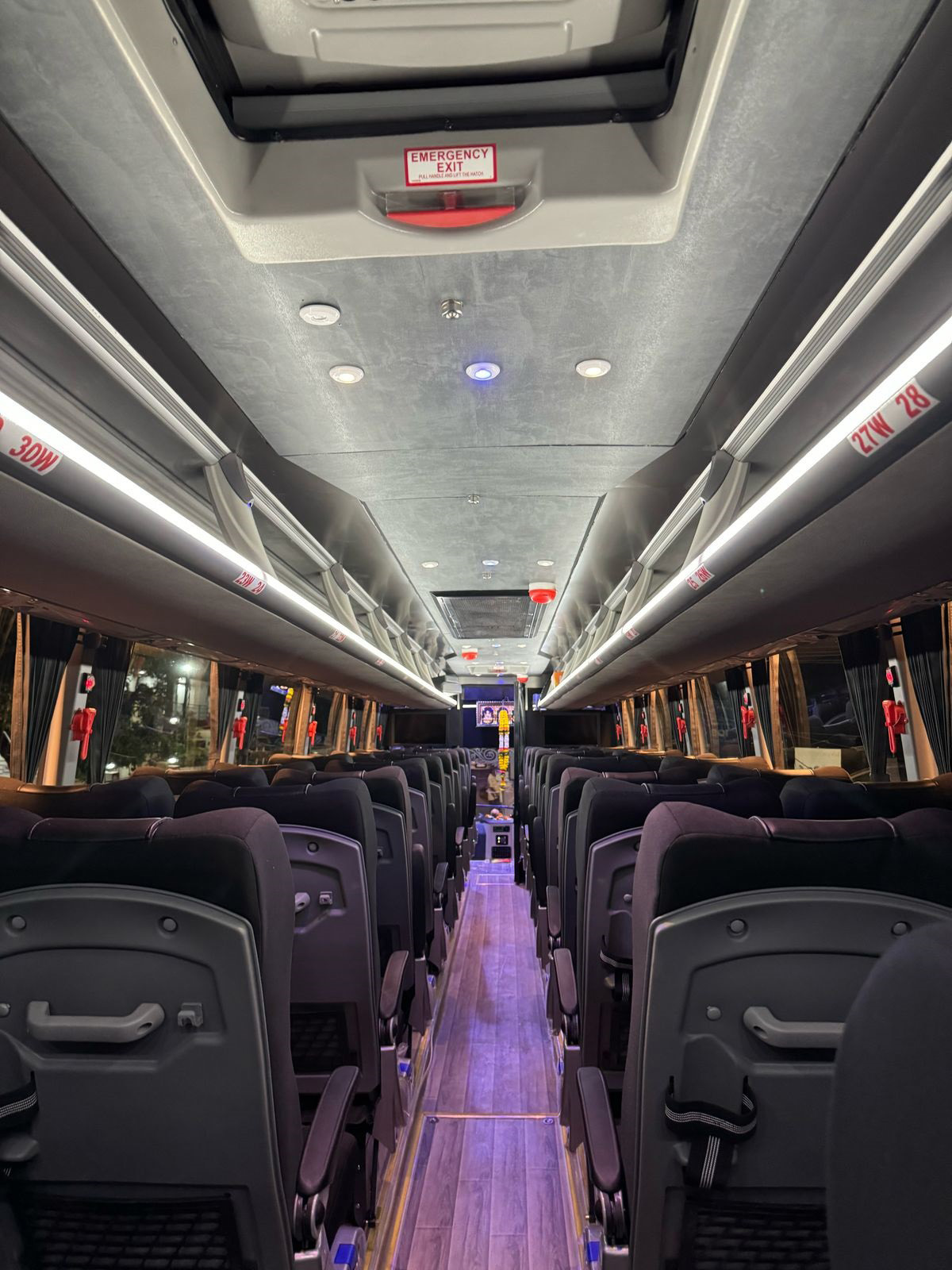
Viva’s product development pipeline includes next-generation FR A2 panels with enhanced mineral cores for superior fire resistance, and multi-material hybrid composites designed to deliver high structural strength with minimal weight. The company is also exploring integrated heat-management and sensor-compatible panel technologies, which could become enablers of advanced vehicle intelligence systems. “The goal is to make Viva ACP the preferred material partner for OEMs designing the next generation of safe, efficient, and intelligent transport vehicles,” says Jain.
Collaboration: Building the Bus-Body Ecosystem
The transition to advanced materials in vehicle manufacturing is never a one-company effort – and Viva understands this well. The company engages proactively with OEMs, bus-body builders, regulators, and design consultants to co-develop and validate solutions.
“Our technical teams work closely with partners, offering on-ground training for installation, fabrication, and repair, ensuring that the panels perform optimally throughout their lifecycle,” Jain explains. Viva also assists OEMs in performance testing, certification documentation, and long-term warranty programs, strengthening trust and reliability across the value chain.
Beyond India, the company is building global partnerships. “We are in active dialogue with international system integrators and component manufacturers to bring global best practices into India’s bus-body construction ecosystem,” adds Jain.
He concludes on a note that captures Viva’s larger mission: “At Viva, we view ourselves not merely as a material supplier, but as an innovation partner in building the future of mobility.”