By Dr. Venkat Srinivas, Business Head – Mahindra Truck, Bus and Construction Equipment
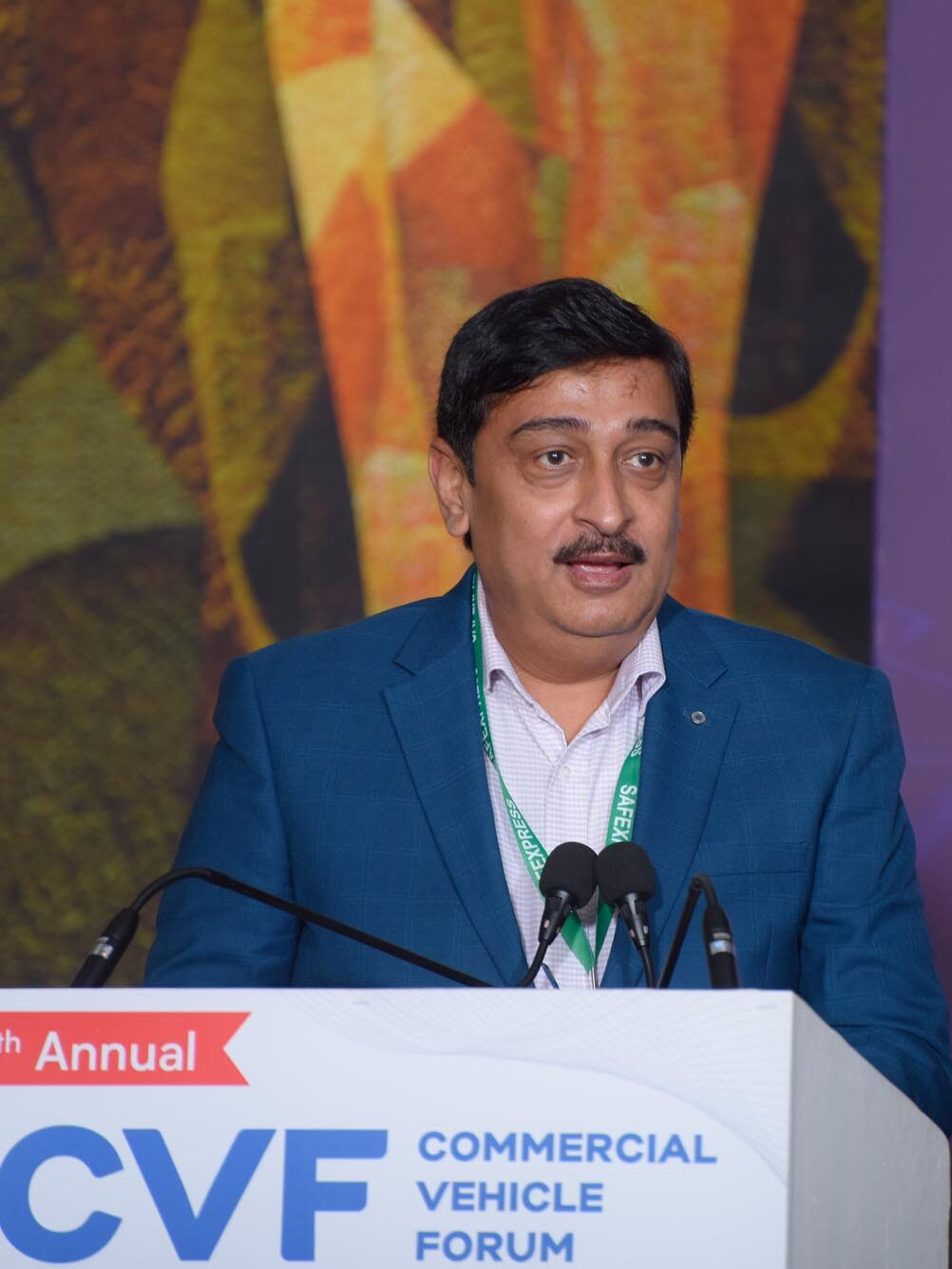
The Indian commercial vehicle (CV) industry stands at a pivotal juncture. After a subdued FY25 marked by flat growth due to election-led disruptions, the sector is poised for a gradual rebound. As per ICRA projections, the industry is expected to grow by 3–5% in FY26, driven by a mix of policy support, infrastructure push, and replacement demand.
Demand Dynamics and Market Outlook
India’s focus on infrastructure; through increased budget allocations, mining activity, and highway expansion; is reigniting demand for CVs. The replacement cycle is also picking up pace, with the average fleet age of medium and heavy commercial vehicles (M&HCVs) at nearly 10 years. This is encouraging fleet upgrades, particularly in compliance with evolving regulatory norms.
The bus segment continues to outshine others, with a projected 8–10% growth in FY26 following an impressive 11–14% increase in FY25. A major contributor is the scrappage of older government vehicles and renewed purchases by State Road Transport Undertakings (SRTUs). Volumes in this segment may even surpass historic peaks recorded in FY13.
While diesel remains dominant with an 88% market share in FY25 year-to-date, the rise of cleaner alternatives such as compressed natural gas (CNG), liquefied natural gas (LNG), and electric vehicles (EVs) signals a shift. In fact, EV penetration in the bus segment has already touched 5%.
Green Freight Corridors: A Strategic Priority
Green freight corridors; networks that support the movement of goods via low- or zero-emission vehicles; are becoming central to India’s logistics strategy. These corridors enhance efficiency while reducing greenhouse gas emissions and dependence on fossil fuels. Natural gas alternatives like CNG and LNG offer cost-effective long-haul options, while EVs and hybrids dominate last-mile delivery.
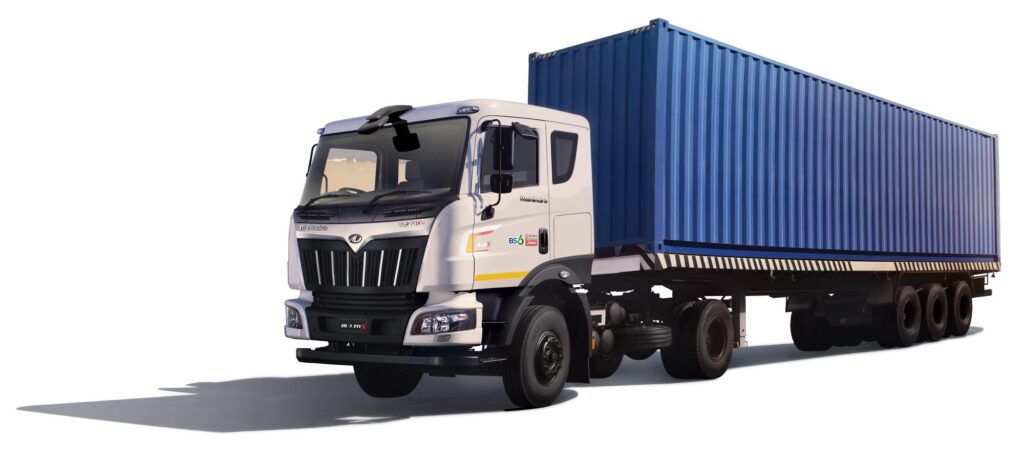
At Mahindra Truck and Bus, we are prepared to introduce CNG and LNG platforms at the right time to support this transition. However, implementing such corridors is not without challenges. Smaller players often struggle with the upfront costs of new technologies, and aligning timelines across a complex ecosystem; cargo owners, ports, fuel suppliers, logistics companies; requires substantial coordination.
Innovation as a Growth Driver
The next decade will be defined by innovation across vehicle platforms, fuels, connectivity, and automation. Digitization and AI-driven fleet management systems are already transforming freight operations. Route optimization, fuel efficiency monitoring, predictive maintenance, and load-matching platforms are helping logistics operators reduce costs, improve safety, and minimize empty miles.
For instance:
- AI-powered route optimization enables real-time re-routing based on traffic or weather.
- Load-matching algorithms ensure that trucks are loaded for both outbound and return trips.
- IoT-enabled telematics provide insights into driver behavior and vehicle health, supporting predictive maintenance and fuel-efficient driving.
These advancements are making freight transport not only more cost-efficient but also greener; critical as India shifts toward net-zero emissions by 2070.
Adapting to New Buyer Preferences and Models
Fleet owners today are seeking flexible financing models that reduce working capital pressures. Wet lease and dry lease models are gaining traction as fleet operators prioritize asset-light approaches and operational agility. Vehicle buyers are also factoring in total cost of ownership (TCO), availability of aftersales support, and software-enabled performance metrics while making purchase decisions.
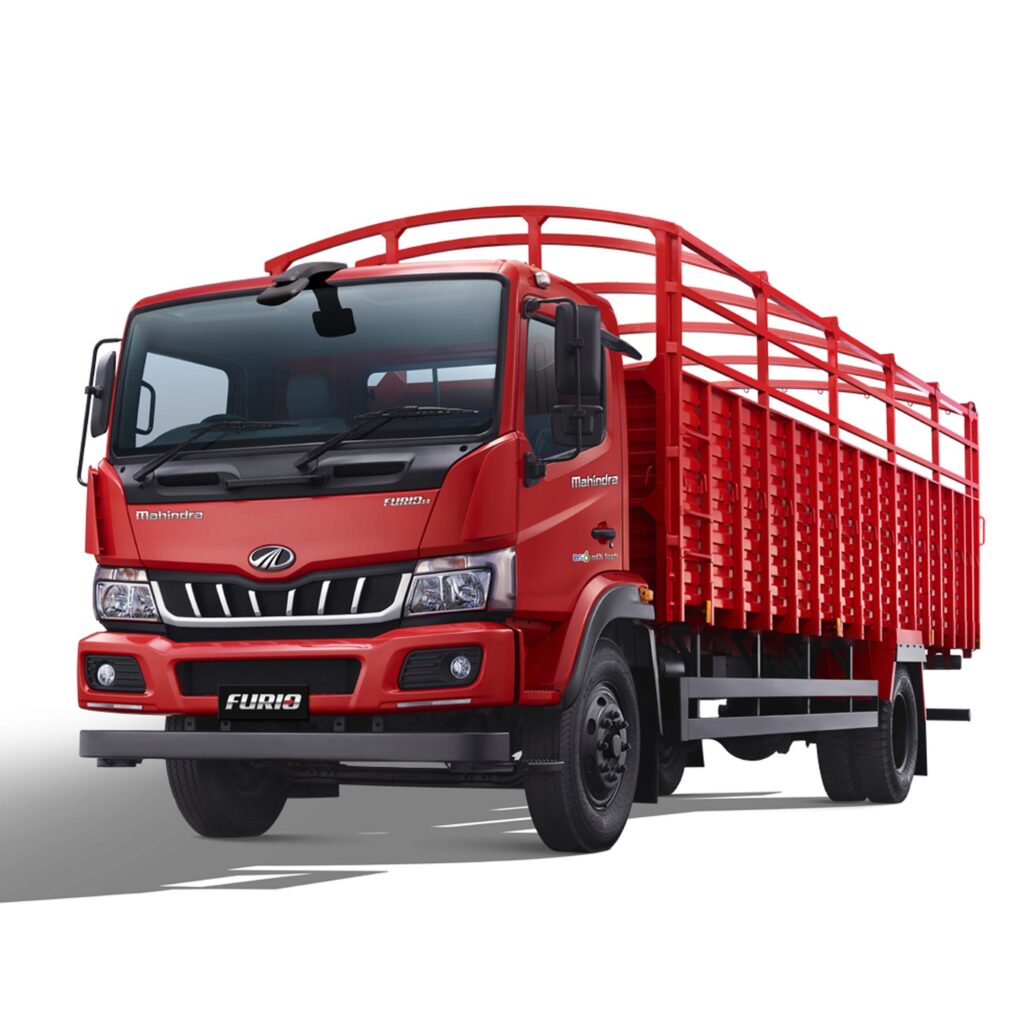
The road transport ecosystem is under transformation, fueled by a growing demand for faster, greener, and cost-effective logistics. E-commerce players like Amazon and Flipkart are driving demand for low-emission fleets, while corporates across FMCG and manufacturing are aligning with ESG goals.
Key enablers of this shift include:
- National Logistics Policy (2022): Encourages efficient, tech-enabled, and sustainable logistics.
- Gati Shakti & FAME schemes: Boost infrastructure and promote EV adoption, particularly in public transport.
- Dedicated Freight Corridors (DFCs): Aim to shift significant freight volume to rail, reducing carbon footprint by up to 80% per NITI Aayog estimates.
Roadblocks and Opportunities
Despite positive momentum, several barriers remain:
- Multimodal integration is still nascent, limiting end-to-end efficiency.
- Charging and refueling infrastructure for EVs and LNG vehicles needs rapid scaling.
- Collaboration across sectors; OEMs, logistics firms, technology partners; is essential but difficult to coordinate.
Localization and supply chain resilience are also critical. Reducing dependency on imports, especially for components, is not just about cost; it’s about reducing risk and aligning with sustainable sourcing goals.
The Role of Regulation and Global Trade
Government policies; ranging from scrappage incentives to carbon taxation; are accelerating industry transformation. While such policies push innovation and compliance, they can increase costs for smaller logistics firms. At the same time, global trade dynamics and tariff fluctuations affect component costs and export competitiveness, necessitating diversified sourcing and domestic manufacturing.
To mitigate these risks:
- Companies must invest in local supply chains.
- Government can facilitate trade agreements and reduce input tariffs.
- R&D in fuel efficiency and alternate drivetrains must be prioritized to reduce reliance on imported technology.
Looking Ahead: Where the Opportunities Lie
The biggest untapped opportunities lie in:
- Advanced telematics and real-time data analytics to improve fleet productivity.
- Alternative fuel ecosystems like LNG and hydrogen for long-haul.
- Sustainable manufacturing and circular economy practices across the value chain.
The Indian CV industry is not just evolving; it’s being reimagined. With sustained policy support, innovation-driven ecosystems, and a focus on sustainability, we are on the path to building a more efficient, resilient, and future-ready logistics network.