SiMa.ai has announced the first integrated outcome of its strategic collaboration with Synopsys, introducing a joint blueprint aimed at accelerating the design and software development of AI-ready automotive system-on-chips (SoCs). The solution is designed to support next-generation applications such as Advanced Driver Assistance Systems (ADAS) and In-Vehicle Infotainment (IVI), which are central to the rise of software-defined vehicles.
The collaboration brings together SiMa.ai’s machine-learning expertise and Synopsys’ automotive-grade IP and design automation tools to help customers develop power-efficient, workload-verified SoC architectures. The newly announced blueprint enables automotive OEMs and silicon developers to begin architecture exploration and software development much earlier in the design cycle, even before silicon is available. By shifting software development “left” into the pre-silicon phase, the approach aims to reduce development costs, improve software quality, lower production risk, and shorten time to market.
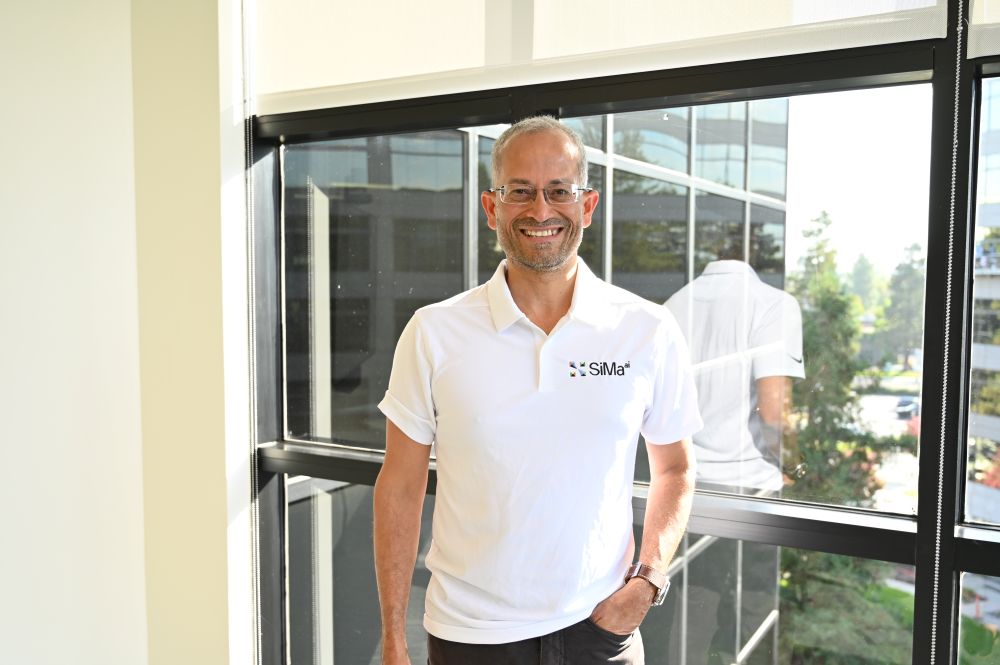
According to Mr. Krishna Rangasayee, Founder and CEO of SiMa.ai, the collaboration has moved quickly to deliver a solution focused on unlocking physical AI capabilities for today’s software-defined vehicles. He noted that combining SiMa.ai’s ML platform with Synopsys’ automotive IP and design software creates a strong foundation for innovation in autonomous driving and intelligent in-cabin experiences.
Mr. Ravi Subramanian, Chief Product Management Officer at Synopsys, said automotive OEMs face growing pressure to deliver AI-enabled vehicles faster while managing cost and complexity. He explained that early power optimisation and compute platform validation are critical to reducing overall development time and risk, and that the joint blueprint helps customers accelerate the rollout of next-generation ADAS and IVI features.
The blueprint includes pre-integrated virtual prototypes of automotive SoCs along with an end-to-end tool workflow built on technologies from both companies. For early architectural exploration, automotive developers can use SiMa.ai’s MLA Performance and Power Estimator to quickly evaluate and optimise ML accelerator configurations for specific workloads. At the system level, Synopsys Platform Architect allows teams to model automotive workloads and assess performance, power, memory and interconnect trade-offs before committing to RTL design.
On the software and validation side, Synopsys Virtualizer Development Kit enables software development on a virtual SoC prototype well before physical silicon is ready, allowing system bring-up within days of silicon availability and potentially accelerating vehicle launches by up to a year. SiMa.ai’s Palette SDK simplifies deployment of complex edge AI applications across different ML workflows, while Synopsys’ ZeBu emulation platform supports comprehensive pre-silicon hardware and software validation to ensure the architecture can handle real-world workloads.