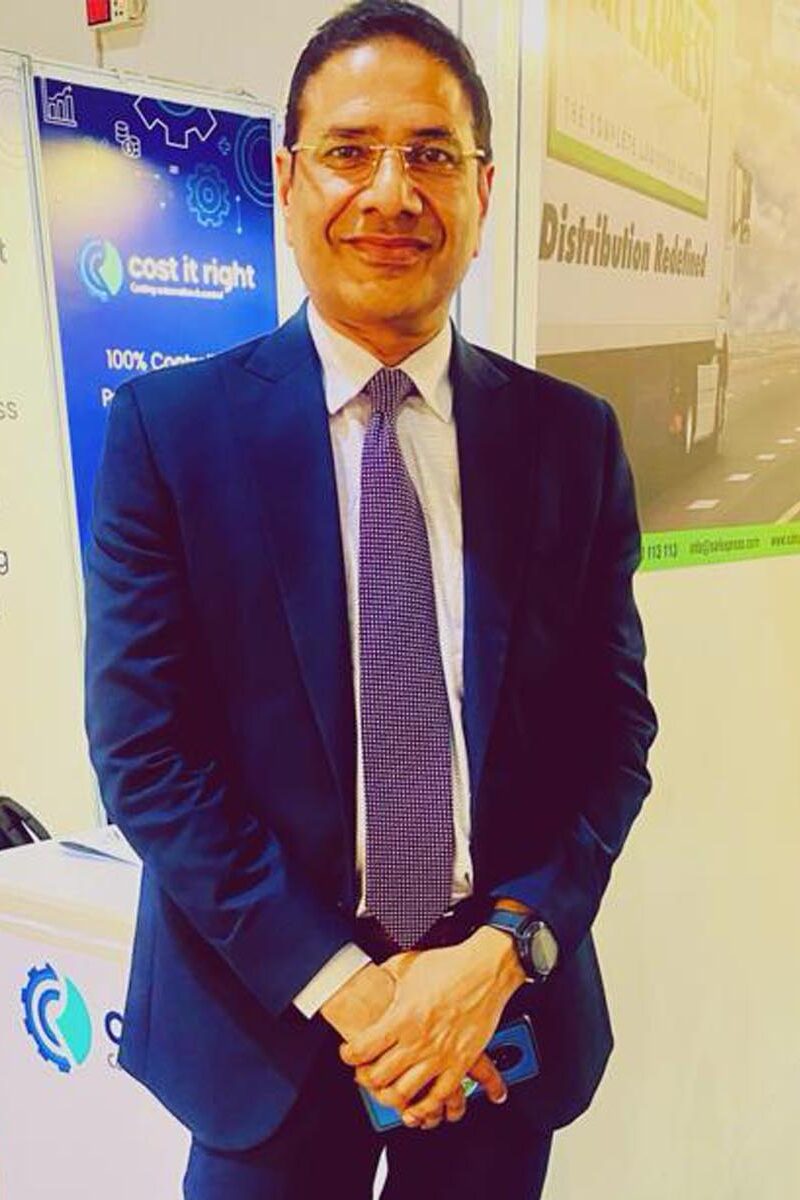
India’s logistics and trucking industry is at the cusp of a historic transformation, driven by electrification, digitalisation, and deeper network expansion. Safexpress, one of the country’s largest supply chain and logistics providers, has been at the forefront of this change, reimagining its operations to meet the evolving needs of businesses and consumers alike.
“Sustainability and electrification are no longer buzzwords—they are imperatives shaping the logistics sector,” noted Vijay Vashisht, Vice President, Safexpress Private Limited. “Fleet electrification, especially in last-mile delivery, is being propelled by environmental concerns and progressive policies. At Safexpress, we have committed to making 100% of our last-mile deliveries electric by 2030 through our strategic partnership with MoEVing. The introduction of advanced vehicles like the Eicher Pro 2055 into our fleet underscores this transition.”
Another major shift is the digital wave transforming the sector. As Vijay explained, “Digital transformation is not optional anymore—it is the backbone of modern logistics. From AI-powered optimisation to IoT-driven tracking, technology ensures efficiency, transparency, and real-time visibility. We have built comprehensive IT systems, digital dashboards, and robust tracking tools that automate processes while giving our customers complete transparency over their consignments.”
At the same time, India’s consumption patterns are reshaping distribution networks. The demand surge from tier-II and tier-III towns is forcing logistics players to expand well beyond traditional urban hubs. “The future of logistics lies in deeper penetration into Bharat,” he said. “We are rapidly expanding our warehouse infrastructure and transportation hubs to reach emerging consumption centres. This builds network resilience and ensures that businesses can serve customers across every pin code of the country.”
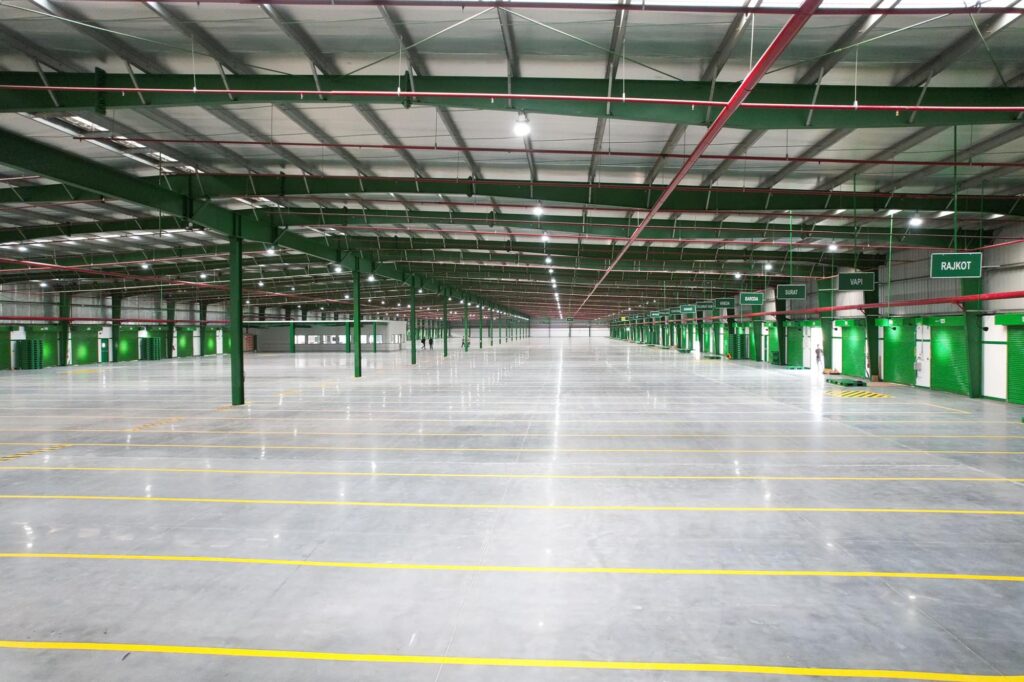
This integration of sustainability and technology is central to Safexpress’ long-term strategy. “We believe digitalisation and sustainability go hand in hand,” Vijay emphasised. “Real-time tracking, AI-driven route optimisation, and automated workflows are helping us cut empty miles, reduce fuel consumption, and accelerate deliveries. Simultaneously, we are electrifying our last-mile fleet and introducing green warehousing practices. These steps directly reduce carbon emissions and align operational efficiency with environmental responsibility.”
Customer expectations are evolving just as rapidly, demanding speed, transparency, and reliability. “Today’s customers are uncompromising,” he remarked. “Speed and reliability are at the heart of our operations—our GPS-enabled fleet of more than 12,500 vehicles operates on 2,653 routes, delivering over 134 million packages annually. This scale ensures consistent and timely deliveries. Equally important is visibility; transparency is no longer a value-add but an expectation. From pickup scheduling and consignment tracking to invoicing, our digital platforms give customers complete end-to-end visibility of their shipments.”
Safexpress is equally focused on reinforcing trust through quality and safety. “Error-free, damage-free deliveries and responsive customer service define our promise,” highlighted Vijay. “We see ourselves as custodians first and carriers second. That means stringent quality checks, trained manpower, and modern fleet practices underpin everything we do. Digitally empowered operations ensure customers experience this reliability every single day.”
Looking ahead, the company sees immense opportunity but also recognises challenges that must be addressed. “The convergence of Digital India, Make in India, and multimodal logistics parks (MMLPs) presents enormous possibilities,” he observed. “We foresee smarter routing, demand forecasting, AI-enabled resilience, and more sustainable operations. Rising e-commerce and direct-to-consumer markets will only accelerate this momentum.”
Yet, hurdles remain. “The industry must overcome legacy systems and fragmented infrastructure, particularly in smaller cities and towns,” cautioned Vijay. “We face bottlenecks ranging from poor road conditions and regulatory hurdles to limited charging infrastructure for EVs. Moreover, there is a growing talent gap—India needs professionals who can combine logistics expertise with digital and data-driven skills. Addressing this will be critical for future growth.”
Despite these challenges, Safexpress remains optimistic and committed. “India is on the move, and logistics will be its growth engine,” he concluded. “By investing in people, technology, and green infrastructure, we can build a globally competitive transport ecosystem. At Safexpress, we are determined to lead this transformation and set benchmarks for a sustainable, future-ready industry.”