Pavna Industries Limited, a homegrown manufacturer supplying components to some of India’s biggest vehicle makers, has set itself an ambitious goal – to become the country’s leading automotive lock company by 2030. Today, Pavna operates across three product verticals: locks, engine components, and switches. In locks alone, the company already holds an 18% market share, and aims to grow this to 40% within the next five years.
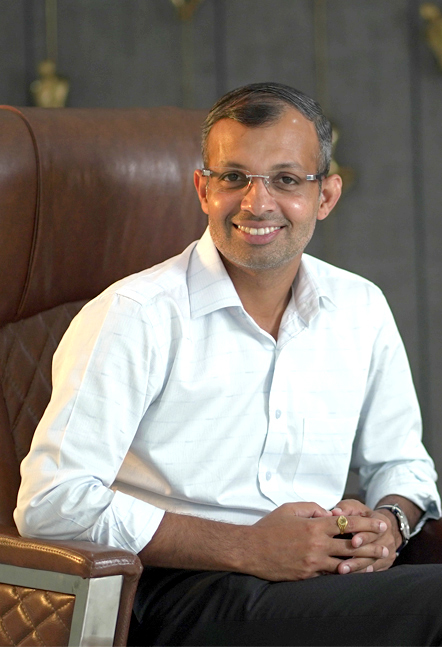
“We want Pavna to be the first name any OEM thinks of when they think of automotive locks,” says Swapnil Jain, Managing Director of Pavna Industries. To reach that milestone, the company is expanding its manufacturing footprint beyond its current plants in Aligarh, Aurangabad, and Pantnagar – which supply ignition switches, fuel tank caps, auto locks, latches, switches, oil pumps, throttle bodies, and castings to OEMs like Mahindra, Ashok Leyland, Bajaj, Honda, TVS, Royal Enfield, and others.
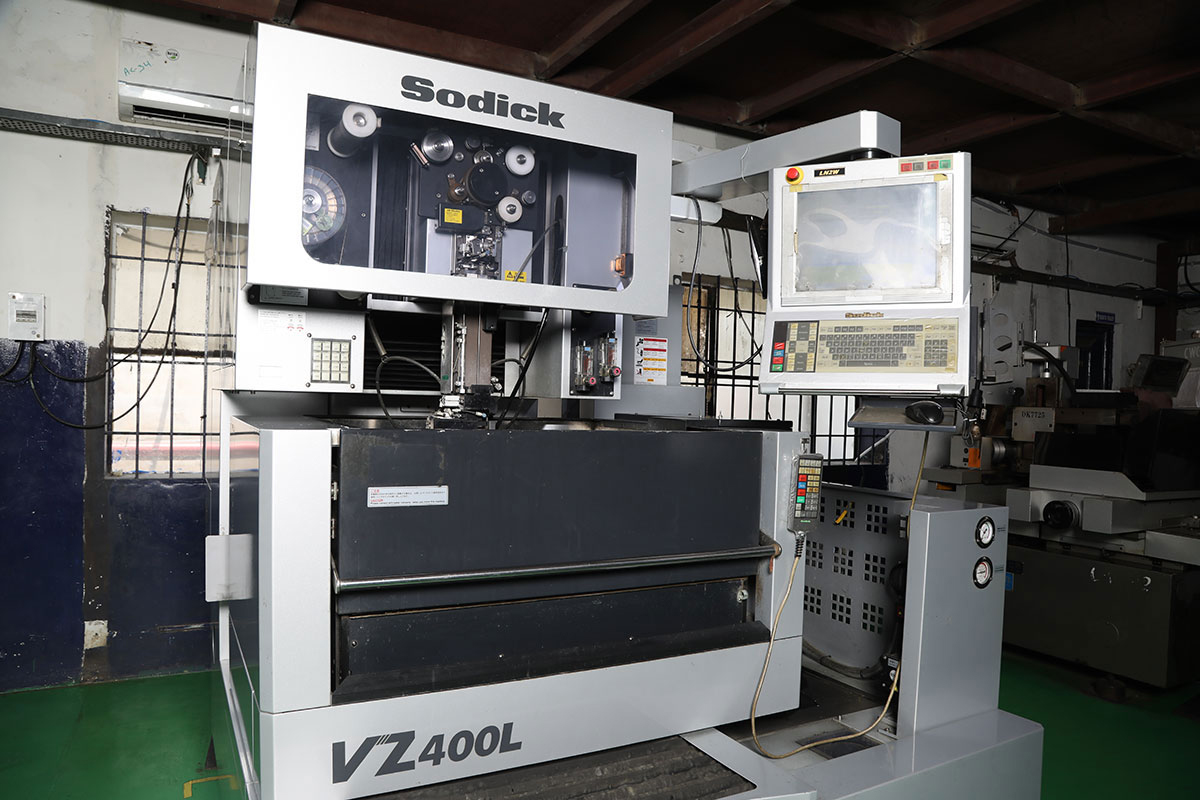
The next leap is a new, state-of-the-art factory coming up at the Future Mobility Park in Shoolagiri, Tamil Nadu. Spread across 22–25 acres with a built-up area of nearly five lakh square feet, this plant is designed with advanced automation and minimal human intervention. It will ensure near zero-defect quality – a must as OEMs move toward direct-online (DOL) manufacturing, where even a minor defect can halt the assembly line. “Our aim is simple – better tech, fewer defects, greener operations,” Jain says, adding that with this expansion, the company is preparing not just to manufacture more, but to manufacture smarter – reinforcing its position as a trusted partner to India’s biggest vehicle brands.
Pivoting from Hardware to Electronics, Software, Smart Mobility
As the world moves toward electric, hybrid, and hydrogen vehicles, Mr. Jain knows one thing for sure – India and South Asia will continue to run on traditional mechanical systems for many years. But he also understands that the future belongs to electronics and software. “We can’t stay mechanical forever,” he says. Pavna has already begun shifting by partnering with technology experts from Taiwan and Italy to build know-how in electronics.
The real leap, however, starts this November. Pavna is setting up a new R&D centre in Noida, with a target to hire about 80 engineers and senior experts to work on electronic and software-based products across its three key verticals. Here, the company plans to get in to next-generation solutions such as immobilisers and smartphone-based digital keys (e-keys), jointly developed with an international partner. The company is even exploring oil-pump applications for drones, signalling its intent to play beyond the automotive world.
Building Green, Growing Global
Pavna’s next leap isn’t just about technology – it’s about responsibility. As sustainability becomes a decisive factor for OEMs, the company is preparing its future the right way. Mr. Jain explains that a new manufacturing plant is already on the drawing board, designed to be environmentally responsible from day one. It will run on solar energy, recycle its own water, and follow green manufacturing practices. The goal is simple: build advanced automotive components with minimal environmental footprint. The plant is planned to go live in FY 2028–29.
Even as the company strengthens its domestic business, it is quietly building its global presence. The company is already part of the global sourcing network for Kawasaki, supplying key components from India. Mr. Jain’s strategy is clear – focus only on its three key verticals and become the preferred supplier for each customer in Southeast Asia.
Owning the Core, Controlling the Quality
For Pavna, increasing content per vehicle isn’t just about adding more parts – it’s about owning the most critical ones. When it comes to locking systems, the company has made a clear strategic choice: every major component that defines quality and precision is made in-house.
Mr. Jain explains that a lock may look simple from the outside, but inside it is a blend of aluminium components, zinc die-cast parts, plastic elements, and the key mechanism. Pavna manufactures all these core elements internally; only non-critical items are sourced from vendors.
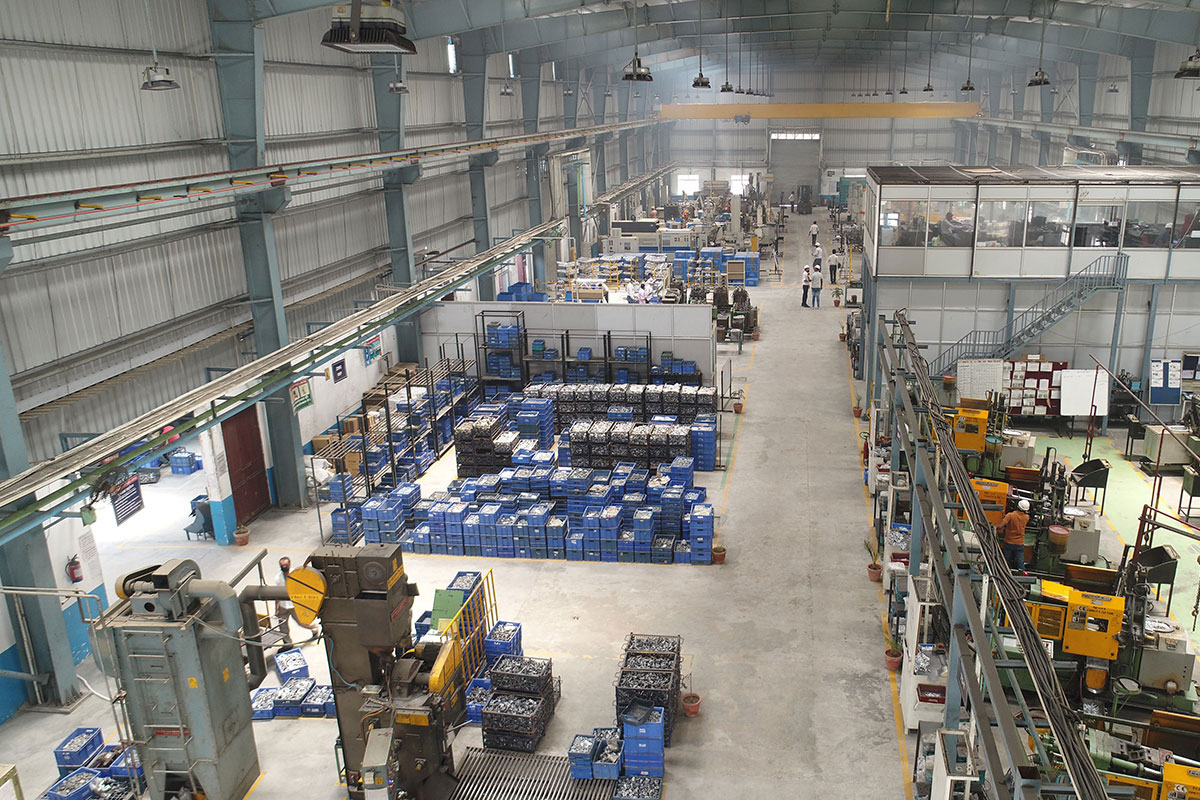
By keeping the essential components in-house, the company maintains complete control over quality, consistency, and delivery timelines. This approach not only increases value per vehicle but also strengthens customer trust – because when OEMs receive a Pavna lock, every crucial piece of it is engineered by the company itself, he says.
Once its new R&D-led products such as immobilisers are ready, Europe becomes the next destination. It’s a smaller-volume market but offers higher value – exactly where a specialised, high-quality player can stand out.
Last year, Pavna recorded revenue of ₹300 crore, with exports contributing just 2–2.5%. But with sustainable manufacturing, focused verticals, and global sourcing partnerships, the company is gearing up to enhance that ratio – building for India, supplying the world, he adds.