The Indian intercity bus market is undergoing a remarkable transformation, emerging as one of the fastest-growing mobility segments. With policy reforms, stronger road infrastructure, and digitization driving momentum, the sector is becoming increasingly attractive for new and existing entrepreneurs. Technology enablers like redBus are supporting this new wave; providing visibility, tools, and insights that help operators scale faster.
Rajesh Rajgor spoke to four first-time bus fleet owners; Rajesh Bafna from Dada Brothers, Rajinder Singh Raipur from Raipur Cruiser, Jasjeet Singh Rehal from King Luxuries, and Gautam Gangwal from Fastlane; to understand how newcomers from diverse backgrounds are thriving in this business.
Policy Push and Infrastructure Lift
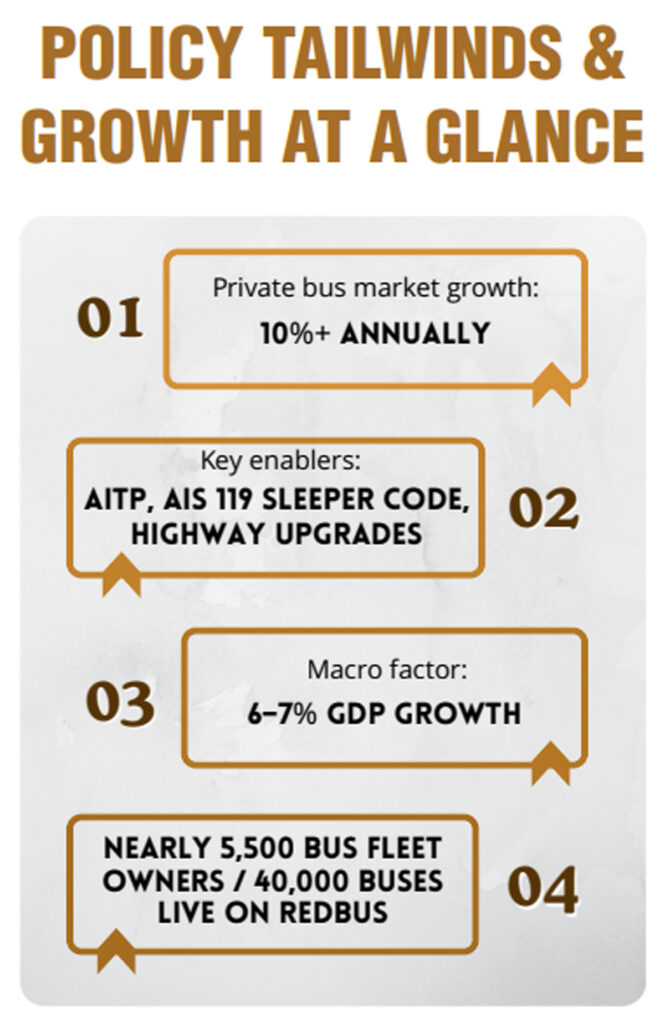
The Indian intercity bus market is changing dramatically and is now one of the mobility segments with the highest growth rate. The availability of AITP has proven to be a game-changer. Earlier, operators needed separate permits for every state, complicating routes and limiting flexibility. Today, a single permit allows buses to ply seamlessly across states, opening up new corridors of growth.

Simultaneously, consumer demand for sleeper buses has been supported by the AIS 119 code, ensuring standardization and safety in body-building. Together, these policy measures have reduced operating hurdles and created a favorable climate for expansion.
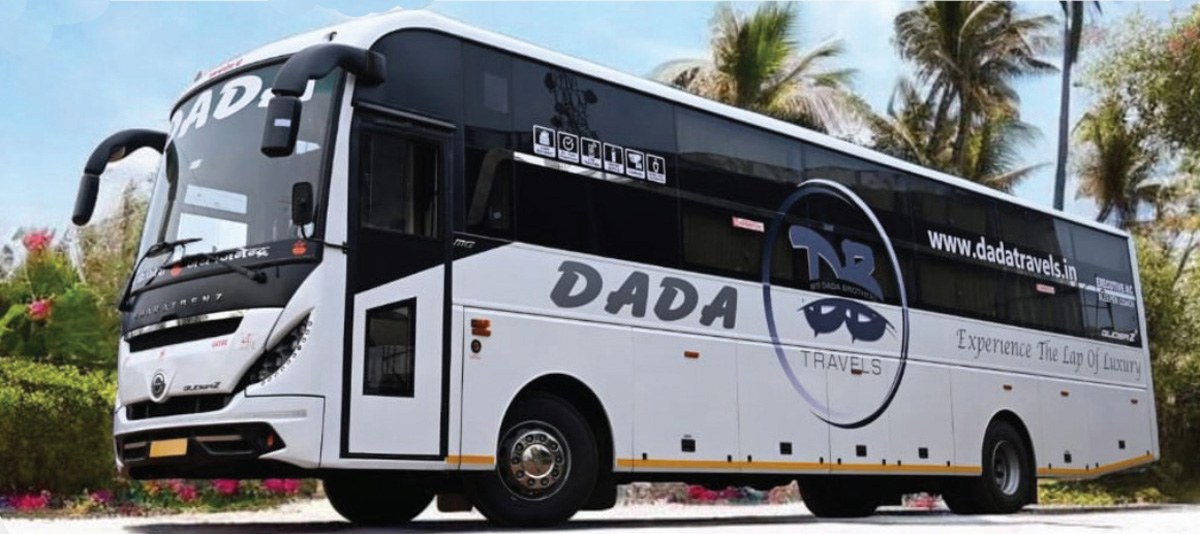
“For bus fleet owners like us, this change opened doors we couldn’t imagine earlier,” says Rajesh Bafna, CA-turned-entrepreneur from Dada Brothers. “Once permits and sleeper codes became streamlined, we could invest confidently in better coaches and explore intercity routes beyond Chhattisgarh.”
-Rajesh Bafna, CA-turned-entrepreneur from Dada Brothers
Technology as an Equalizer
If policy and infrastructure are one side of the story, technology is the other. With the rise of UPI and digital payments, online ticketing has become mainstream. This has lowered entry barriers significantly, as new bus fleet owners no longer need to depend on a large offline agent network.
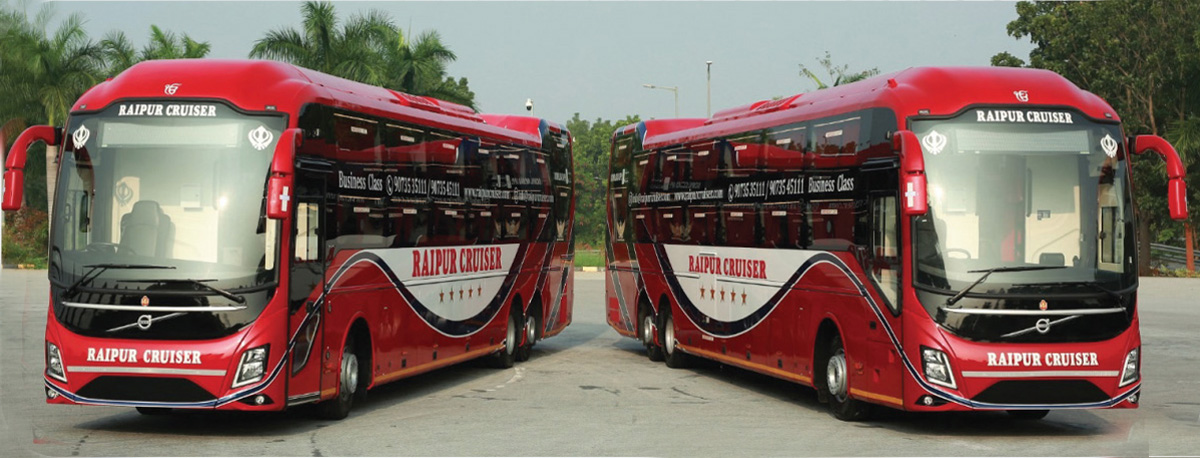
That reality is echoed by first-time operator Rajinder Singh Raipur, founder of Raipur Cruiser, who came into the business from an entirely different world; retail electronics.

“We had zero experience in running buses,” he admits. “Technology changed everything for us. With online ticketing and tools like RevMax, we can plan routes, monitor occupancy, and price better; all without needing an offline network. It made our entry and growth possible.”
-Rajinder Singh Raipur, Founder of Raipur Cruiser
Within just eight months of operations, Raipur Cruiser’s customized Volvo sleeper coaches with smoke detectors, sprinklers, and daily fresh linen have achieved 95% occupancy on routes like Kolkata–Siliguri and Kolkata–Puri.
Platforms like redBus not only enable bookings but also provide data-driven insights on demand forecasting, pricing, scheduling, and customer behavior.
“Digitization has made it easier for entrepreneurs to break-even faster. What once took six months to a year now happens in as little as 90 days. With tools for inventory management, dynamic pricing, and real-time feedback, bus fleet owners can scale efficiently while maintaining profitability,” notes Manoj Agarwala, Chief Business Officer, redBus.
“redBus gave us instant visibility. Within weeks, our buses were topping route rankings with 4.7+ ratings from over 1,200 reviews. That kind of trust-building would have taken years offline,” says Rajinder.
New Breed of Entrepreneurs
The market’s optimism is shared by Jasjeet Singh Rehal, founder of King Luxuries, who came into the segment from a background in car-carrier logistics.
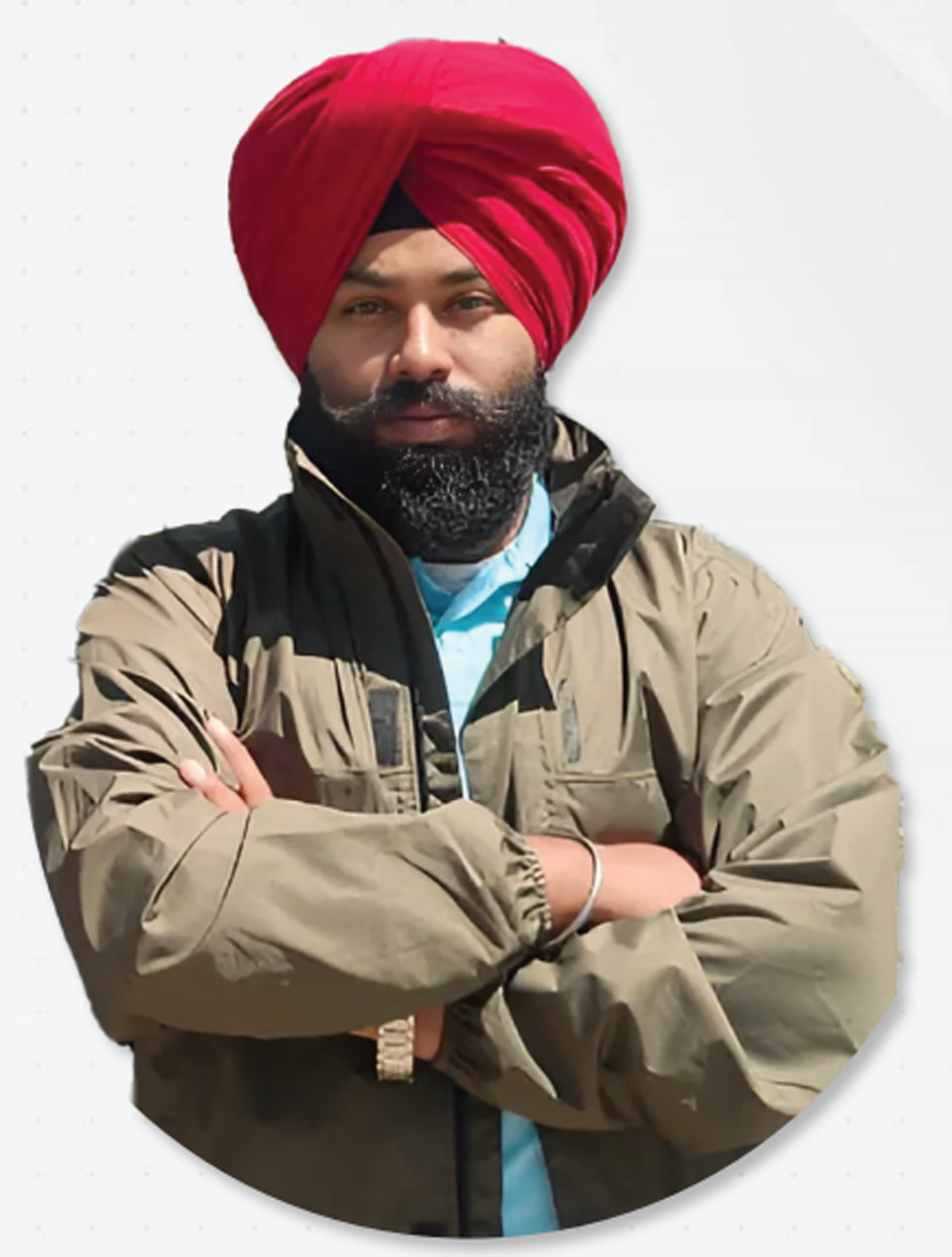
“The market’s momentum is undeniable,” he says. “We started operations just this February and achieved a 4.9 rating within months. Demand for reliable, comfortable intercity travel is rising fast, and passengers are willing to pay for quality.”
-Jasjeet Singh Rehal, Founder of King Luxuries
From a family that runs one of India’s largest car-carrier fleets, Jasjeet took the entrepreneurial plunge into buses in early 2025. King Luxuries began with the Prayagraj route, quickly earning Primo status in just six months. Its fleet now includes Volvo 9600 multi-axle and BharatBenz buses, serving routes such as Chandigarh–Jammu, Delhi–Manali, and Pune–Nagpur.
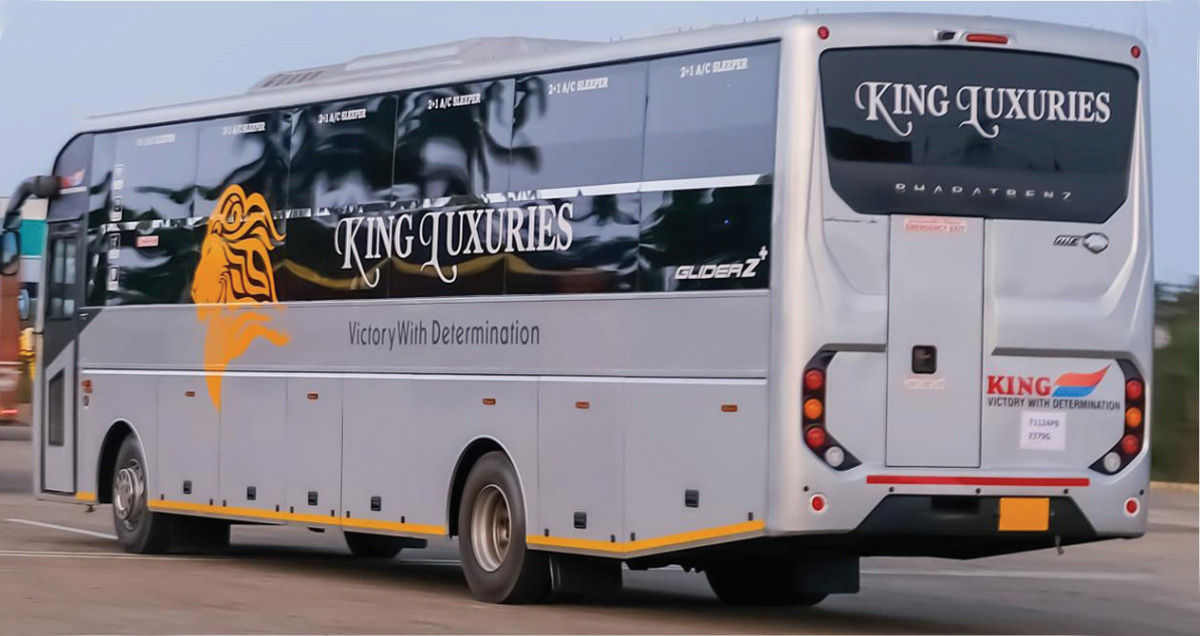
Passengers benefit from Wi-Fi, charging ports, clean interiors, and uniformed staff; features Jasjeet insists are “basic expectations, not luxuries.” “As newcomers, redBus helped us punch above our weight; guiding pricing, improving visibility, and even troubleshooting traffic disruptions. That support made a 4.9 rating possible so early,” says Jasjeet.
Innovation on the Road
This entrepreneurial energy is mirrored by Gautam Gangwal and his childhood friends from Fastlane, all first-time bus owners from business and electronics backgrounds.
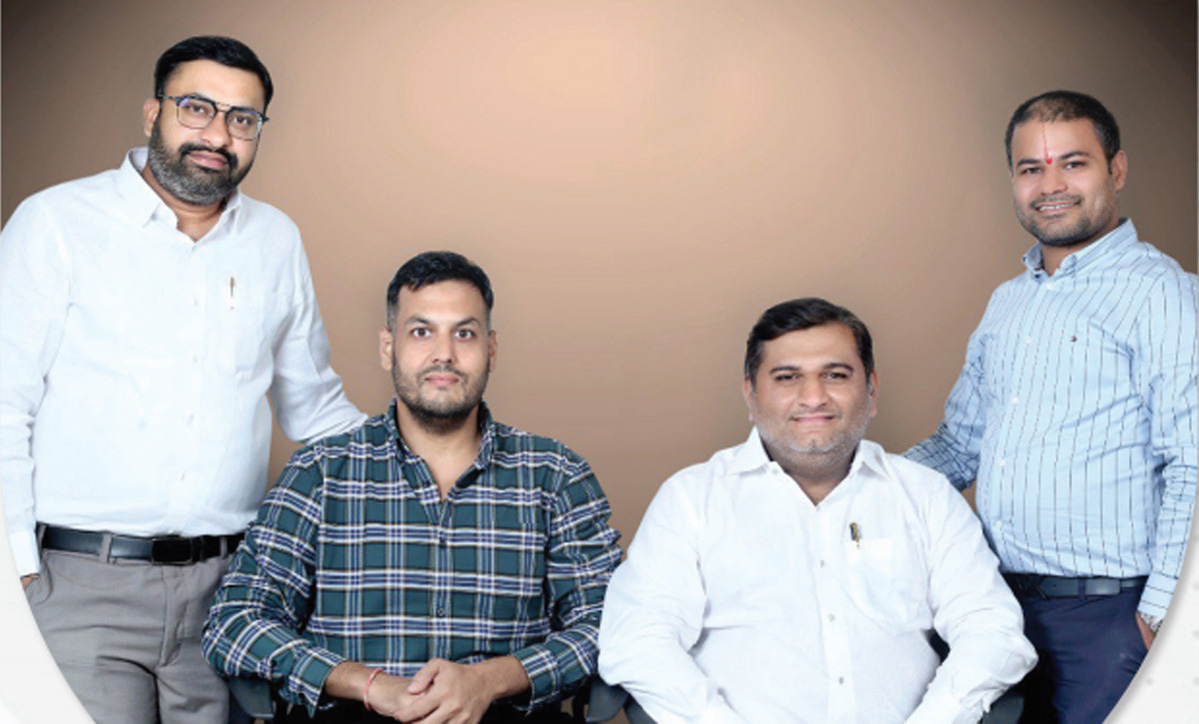
“We deliberately chose the toughest routes like Mumbai–Pune to prove that newcomers can deliver quality,” says Gautam. “Passengers spend 12–13 hours on board; so, we built every bus with washrooms, deep cleaning schedules, and punctuality systems. Once people experience that comfort, they don’t switch.”
-Gautam Gangwal of Fastlane
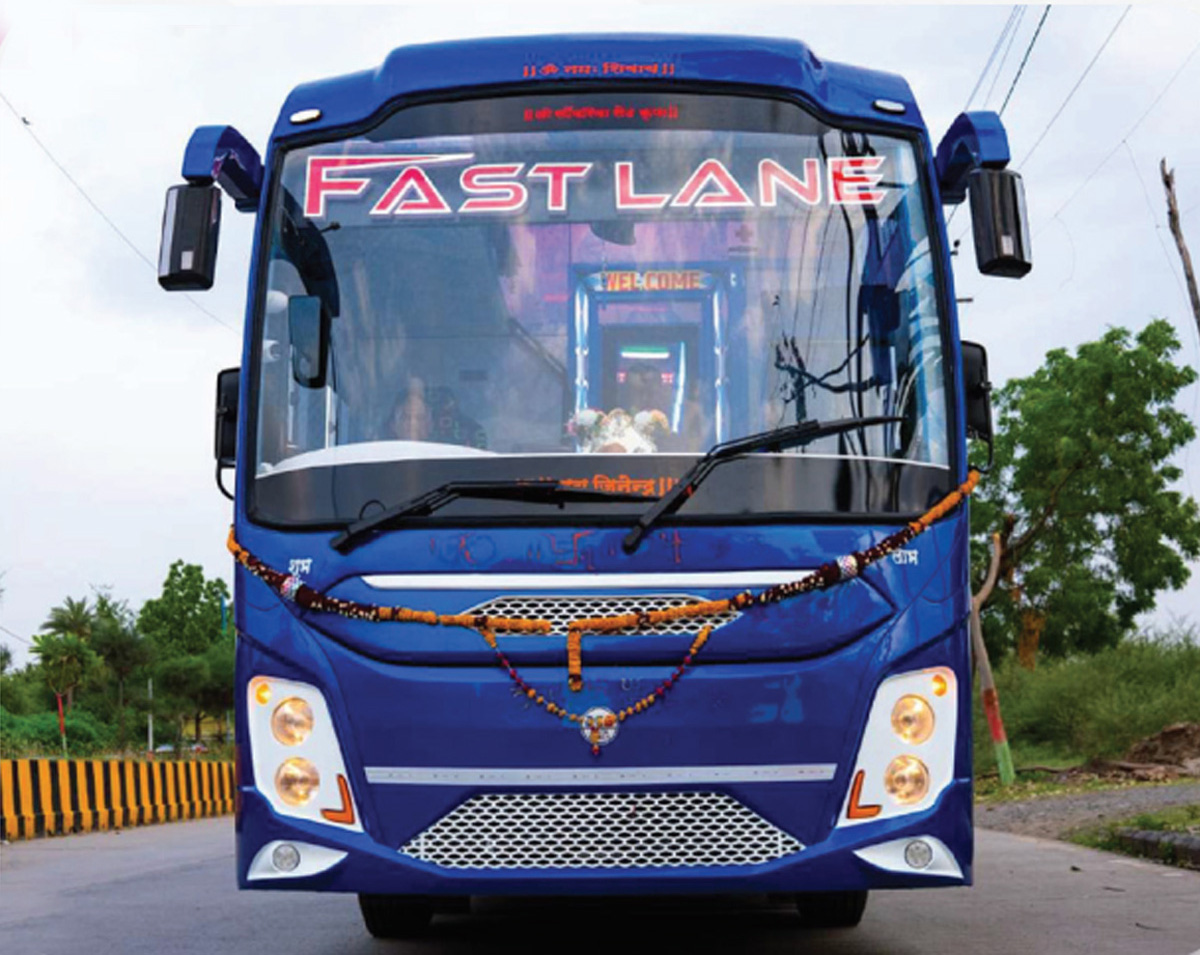
Their six-bus fleet focuses on premium cleanliness and reliability, with future plans to add Volvo and BharatBenz coaches.
“Occupancy is earned, not bought. If you provide cleanliness, punctuality and comfort, the customer is yours permanently,” says Gautam, adding that redBus’ RevMax pricing tool has been crucial in managing demand swings.
The Primo Advantage
redBus’ Primo dashboard tracks punctuality, ratings, and passenger reviews in real time. Bus fleet owners use this data to spot delays, fix faulty amenities, and reward consistent crews. For passengers, Primo is a quality badge that signals dependable service.
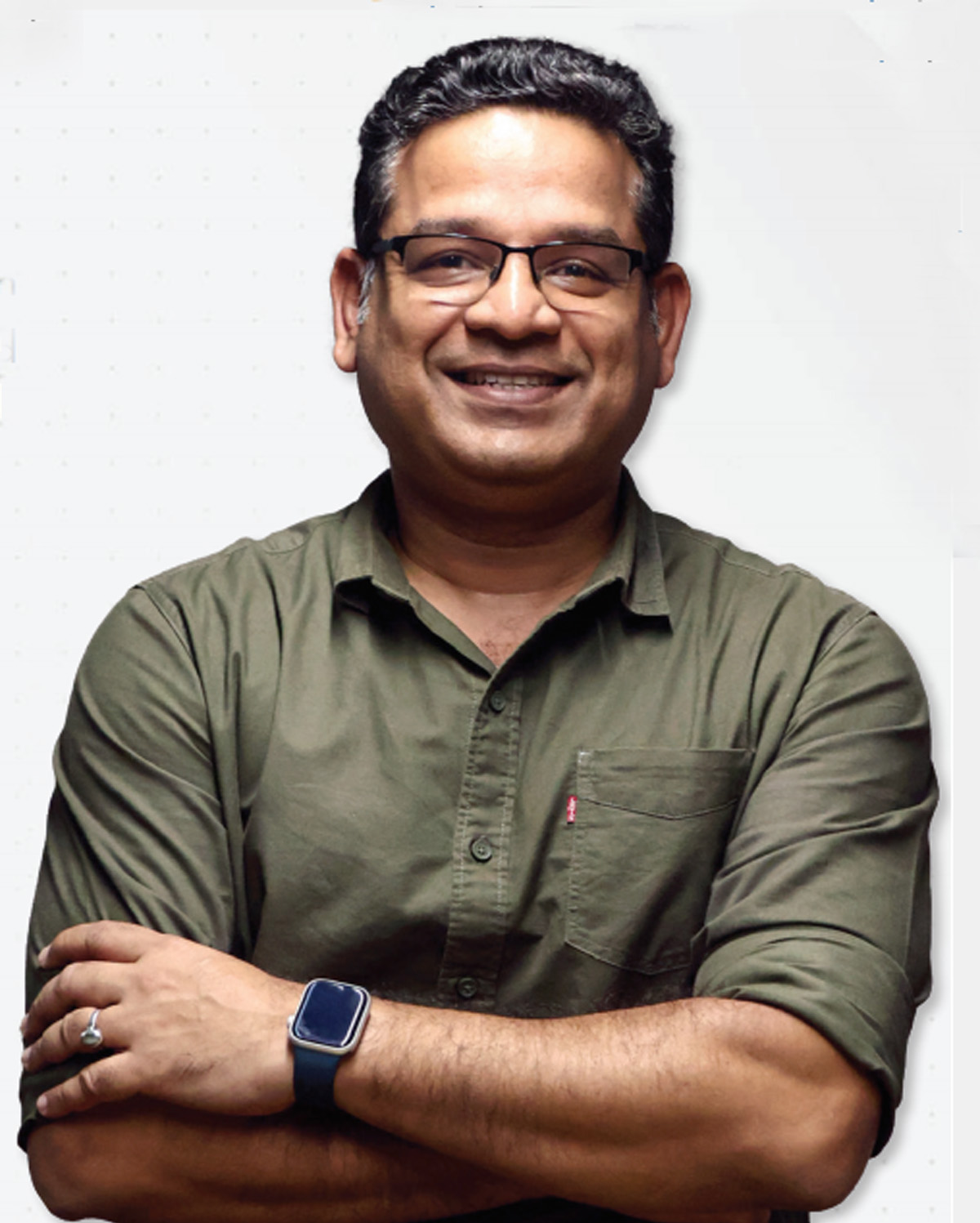
“India is a vast market with diverse passenger needs. This space is not about one winner but thousands of winners across regions. We see entrepreneurs from all walks of life entering the bus business and succeeding, because digitization and platforms like ours help level the playing field.”
-Manoj Agarwala, Chief Business Officer, redBus
Levelling the Playing Field
The journeys of Rajesh Bafna, Rajinder Singh Raipur, Jasjeet Singh Rehal, and Gautam Gangwal underline a striking truth: you don’t need a traditional bus background to succeed in this industry. What matters is discipline, passenger-first thinking, and the ability to leverage technology for scale.
“The intercity bus segment offers huge opportunities. Those who blend customer focus with smart technology will lead. At redBus, we aim to make that growth journey easier and more profitable for fleet owners,” says Manoj. “With India’s steady 6–7% GDP growth and rising demand for comfortable, safe travel; especially overnight journey, the momentum will only continue,” he concludes.
From chartered accountants to electronics retailers, car-carrier families to first-time entrepreneurs, India’s intercity bus industry is becoming fertile ground for new ideas and new energy. With supportive policy, strong demand, and digital enablers creating access and transparency, the road ahead looks promising for those ready to drive change.