
Navkar Corporation Limited closed FY24–25 on a solid footing, demonstrating operational agility, financial discipline, and a steadfast focus on expanding its presence in the road-based transport and logistics segment. Despite macroeconomic uncertainties, the company maintained its momentum through network optimisation, asset productivity improvements, and customer-focused service innovations.
FY25: Performance and Key Milestones
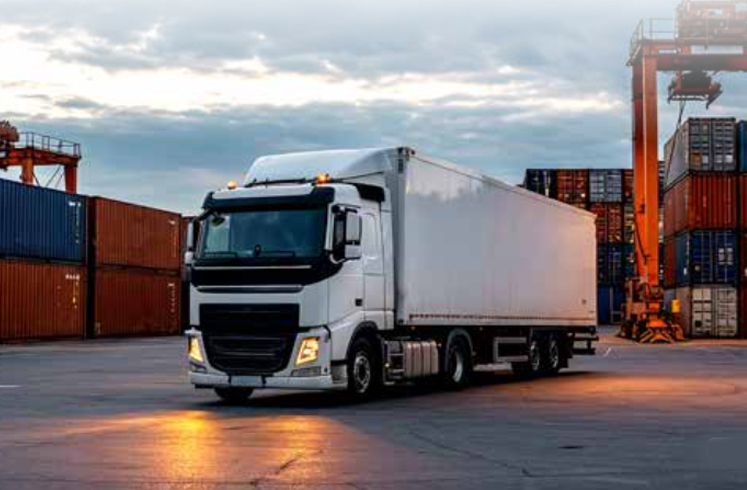
The company recorded steady growth in volumes across its container freight and inland logistics operations, underpinned by improved utilisation of its trucking fleet and better turnaround times. Road-based transport — the core of Navkar’s operations — continued to account for the lion’s share of activity, supported by strategic route planning, fleet modernisation, and integration of digital tracking solutions.
“Our ability to adapt to changing market realities, optimise costs, and enhance service reliability has been the hallmark of our FY24–25 performance,” said Amit Garg. “The focus has always been on value creation — for customers through service excellence, and for stakeholders through sustainable returns.”
During the year, Navkar strengthened its container transport fleet, expanded its coverage to key industrial clusters, and enhanced warehousing capacity in strategic hinterland locations. This integration of road freight and value-added services helped consolidate its competitive position in a highly fragmented market.

Trends in the Road Logistics and Truck Transport Sector
The Indian logistics sector in FY24–25 was shaped by strong demand from manufacturing, e-commerce, and FMCG, alongside a revival in infrastructure-led freight movement. The road freight market benefited from continued investments in highways and expressways, which reduced transit times and improved asset productivity.
“Road transport remains the backbone of Indian logistics, handling nearly 70% of freight movement in the country,” Garg observed. “The sector is evolving rapidly with technology-led solutions such as GPS-enabled fleet management, predictive maintenance, and data-driven route planning — all of which are now integral to our operating model.”
Navkar also reported that the push towards cleaner fuels and electric vehicles in the medium-duty segment is beginning to take shape, especially for intra-city and regional routes. While long-haul electrification may still be some years away, fleet owners are exploring LNG and CNG options to balance operational costs with environmental compliance.
Operational Excellence and Customer Focus
To stay ahead in a competitive market, Navkar prioritised service flexibility and operational transparency. The integration of real-time cargo visibility tools, coupled with a stronger focus on last-mile connectivity, helped improve customer satisfaction scores.
“Our success lies in anticipating customer needs and aligning our fleet and infrastructure accordingly,” Garg stated. “From just-in-time deliveries for manufacturing clients to rapid replenishment cycles for retail and e-commerce, we ensure consistency and reliability.”
Outlook for FY26: Building on a Strong Foundation
Looking ahead, Navkar expects FY25–26 to be a year of disciplined expansion, targeting both capacity enhancement and service diversification. The company plans to deploy more high-capacity trailers, expand warehousing hubs, and invest in advanced fleet management systems.
“Growth in road logistics will be driven by rising consumption, export-oriented manufacturing, and the government’s sustained push for infrastructure,” Garg noted. “Our strategy is to capture incremental demand while maintaining operational efficiency and capital prudence.”
Key priorities for FY25–26 include:
- Expanding the trucking fleet with a mix of owned and leased vehicles to improve operational flexibility.
- Strengthening intermodal capabilities by integrating road transport with strategic rail-linked facilities, where it adds value.
- Scaling up value-added services such as customs clearance, consolidation, and bonded warehousing.
- Enhancing sustainability by piloting alternative fuel trucks on select routes.
“Efficiency, scale, and sustainability will define the next phase of our growth,” Garg concluded. “We are ready to embrace opportunities with the same agility and customer focus that have brought us this far.”
Navkar’s performance in FY24–25 reflects not just resilience in a challenging environment, but also the foresight to align operations with emerging market trends. With a clear roadmap for FY25–26, the company is well-positioned to strengthen its leadership in road-based logistics while exploring new avenues for value creation.