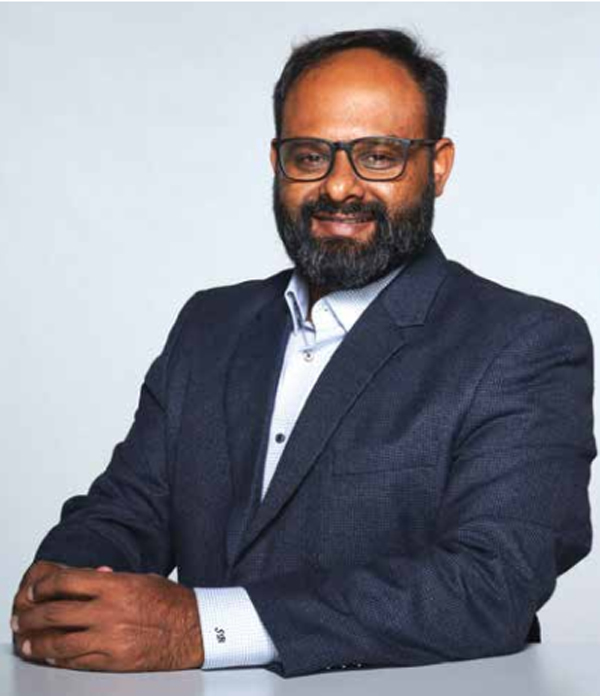
In the world’s big tech hubs, driverless cars are already picking up passengers. Robot taxis run in San Francisco, and autonomous shuttles glide through Shenzhen. But could a self-driving car really navigate Gurugram at rush hour or weave through the crowded streets of Bengaluru? According to Mr. Shitendra Bhattacharya, Country Head & Director – India, Emerson T&M, the answer is yes – slowly, but surely.
India is already taking its first steps. Automakers like Tata Motors, Mahindra, and Ashok Leyland are putting advanced driver-assist features into mainstream vehicles. Meanwhile, startups such as Minus Zero, Swaayatt Robots, Flux Auto, and Flo Mobility are working on solving the bigger challenge: making a vehicle that can drive entirely on its own in India’s unpredictable traffic.
The timing works in India’s favour. AI chips are faster, 5G networks are expanding, and India has a massive pool of software engineering talent. “We don’t just copy Western technology; we solve problems that don’t exist anywhere else,” Mr. Bhattacharya said.
And India is unique. “Anyone who has driven on our roads knows why. Cows strolling on highways. Cars suddenly changing lanes. Pedestrians appearing out of nowhere. Lane markings that simply vanish. Autonomous driving here requires learning to manage chaos, not order,” he explains. Add patchy internet outside cities, inconsistent mapping, and the absence of clear regulations – and the challenge becomes even tougher. But that’s what makes India’s journey exciting. If a car or a truck can drive itself here, it can drive itself anywhere.
Small Pilots, Big Progress
India isn’t jumping straight to robotaxis. Instead, companies are starting small – testing autonomous tech where it’s safer and easier to learn from real roads.
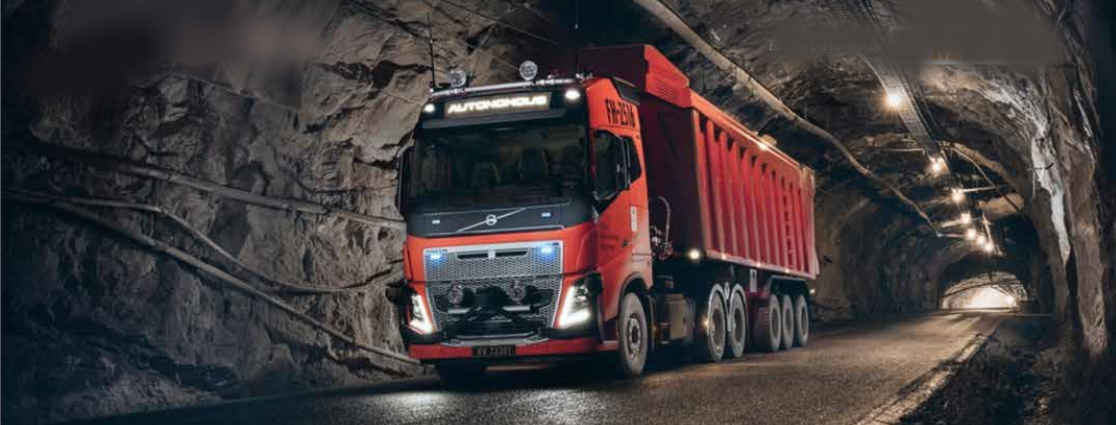
Flux Auto is developing self-driving trucks that operate inside mines and industrial zones, places where unpredictable traffic is limited. Flo Mobility is deploying compact, driverless shuttles inside IT parks and private campuses. And Minus Zero, backed by fresh funding, is exploring a unique “nature-inspired AI” approach designed to work with fewer sensors than traditional systems. In Bhopal, Swaayatt Robots is already running Mahindra SUVs that drive themselves at speeds of up to 50 km/h.
These pilots may not be fully driverless yet, but they prove something crucial – autonomous technology can learn and adapt in India’s messy, real-world traffic. Each trial is a stepping stone toward bigger breakthroughs, he pointed out.
Slow, Steady and Strategic
Developing autonomous vehicles is expensive – not just in technology, but in time. Big ideas like robotaxis and driverless logistics sound exciting, but the business models are still forming. Companies can’t expect instant returns, and that’s why the smartest players are treating AVs as a marathon, not a sprint, he observed.
Mr. Bhattacharya said, “The real opportunity lies in seeing the vehicle as a software platform rather than just a machine on wheels. Instead of trying to perfect everything at once, companies are investing in systems that can be updated, improved and refined over time – just like a smartphone. This makes development flexible and helps spread out costs.
Rather than chasing global autonomy standards from day one, Indian companies are focusing on solutions that work for India first – limited geographies, specific use cases, learning from every deployment. Partnerships also play a huge role. By collaborating with OEMs, tech service providers, and research institutions, companies reduce the financial burden and gain stronger validation through shared expertise. The approach is simple: invest wisely, test in real conditions, and let the technology mature at a steady, sustainable pace, he added.
Designing Trust Ethics and Security Inside the Machine
When a self-driving vehicle must react in a split second, people often frame it as a moral dilemma: who should the vehicle save? But engineers see it differently. The goal isn’t to make philosophical decisions – it is to build systems that always prioritise safety. Instead of choosing between two bad outcomes, the vehicle should be trained to avoid the crash altogether or choose the path that reduces harm. This depends on how the algorithms are designed, tested, and refined. Companies now use simulations and replay real-world scenarios – sudden pedestrians, stray animals, unclear lanes – to see if the vehicle consistently makes the safest possible choice. Ethical behaviour, in this context, comes from predictable engineering, not subjective judgement, he mentioned.
But safety isn’t only about avoiding accidents – it’s also about protecting data. Autonomous vehicles constantly collect information from cameras, sensors, maps and user devices. That makes them potential targets for hacking or data misuse. Security must therefore be built into the system from day one, not as an add-on later. Data should be encrypted, stored securely, and anonymised to protect identities. Engineers stress-test the system by running cyberattack simulations to check how it reacts and recovers. Every decision and data exchange must be traceable, so incidents can be understood and prevented in future, he noted.
Ultimately, trust in autonomous mobility will be earned through safe engineering, secure data handling, and transparent collaboration among automakers, cybersecurity experts, and regulators.
Winning Trust, one safe mile at a time
Even if the technology works perfectly, people won’t embrace autonomous vehicles until they trust them. Today, surveys show that most people are nervous about self-driving cars – and that hesitation is even stronger in India. The reason is simple: our roads are unpredictable. Trust will only grow when people see driverless vehicles performing safely in real situations, just the way acceptance of electric vehicles grew only after people experienced them.
That’s why, he said, companies are starting small – controlled shuttles inside campuses, autonomous trucks inside factories – proving that the tech can work before it moves to open highways. Once people see safety in smaller environments, confidence will follow.
The Government’s Role
India doesn’t yet have a specific law for autonomous vehicles, but the direction is positive. Karnataka and Maharashtra are evaluating pilot projects, and the government’s push for smart roads, digital logistics, and intelligent traffic systems will naturally pave the way for autonomous trucks, delivery robots, and eventually robotaxis. Regulation will decide how fast India moves.
Shared Responsibility: Who is accountable?
If a self-driving vehicle is involved in an accident, the blame can’t fall on just one person. Autonomous tech involves hardware, software, connectivity, and sometimes the human sitting inside. Accountability, therefore, needs to be shared – clear and transparent.
Vehicle manufacturers should take responsibility for the physical safety of the car, including sensors, brakes, and all emergency fail-safes. Software developers must be accountable for how the system perceives the world and makes decisions, ensuring their algorithms are thoroughly tested, explainable, and traceable. Users may still share some responsibility at lower autonomy levels where they are required to take control when needed, but once vehicles reach full autonomy at Levels 4 and 5, the primary accountability must rest with the system provider.
India should follow an aviation-style framework – every autonomous vehicle should have a “black box” recording sensor data and decisions. If an incident occurs, investigators know exactly what happened and who is responsible. Trust won’t be built on promises of zero errors. It will be built on zero confusion – a system where responsibility is defined and transparent, he emphasised.
The Road Ahead
For autonomous vehicles to truly succeed in India, the journey needs to begin in the right environments. Mr. Bhattacharya believed that the first step is not robotaxis on public roads, but controlled spaces where driverless tech can learn safely without battling unpredictable city traffic. What helps is setting up dedicated test zones, clear rules for mapping and data security, and training engineers and regulators in this new world of mobility.
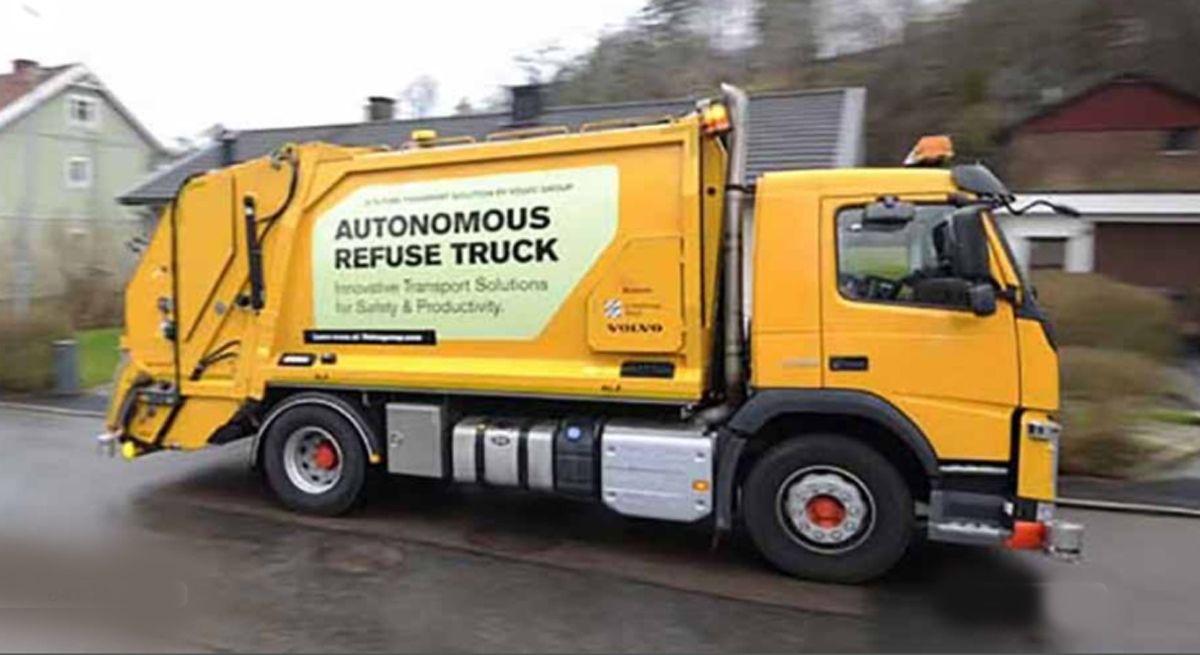
That’s why India’s first wave of autonomy won’t look like that of Silicon Valley. Instead of driverless taxis, “we will likely see driver-less mining trucks operating in Odisha, warehouse robots moving goods for e-commerce companies, small autonomous shuttles running inside tech parks and campuses, and even farm vehicles that can drive themselves across fields. These use cases solve real problems – improving safety, reducing labour shortages, and boosting efficiency – without needing perfect road discipline or complex city maps” he said.
Autonomous mobility in India won’t appear suddenly or follow a straight path. It will take shape through pilots, experiments, and slow expansion – one campus, one factory, one route at a time. And that is India’s strength. If self-driving technology can survive the chaos – unmarked lanes, sudden obstacles, and traffic that follows its own rules – it can work anywhere in the world. Change is already underway. The question now is: when a driverless vehicle quietly rolls up beside you at a traffic signal, will you smile, worry… or wave, Mr Bhattacharya concluded.