The Society of Indian Automobile Manufacturers (SIAM) hosted the 20th SIAM Styling & Design Conclave along with the 18th Automotive Design Challenge (ADC) in Goa, centred on the theme Collaborative Creativity: Building India’s Mobility Design Ecosystem. The event brought together leading automotive designers, industry experts, and academicians to discuss how design, user experience and innovation are redefining India’s mobility future.
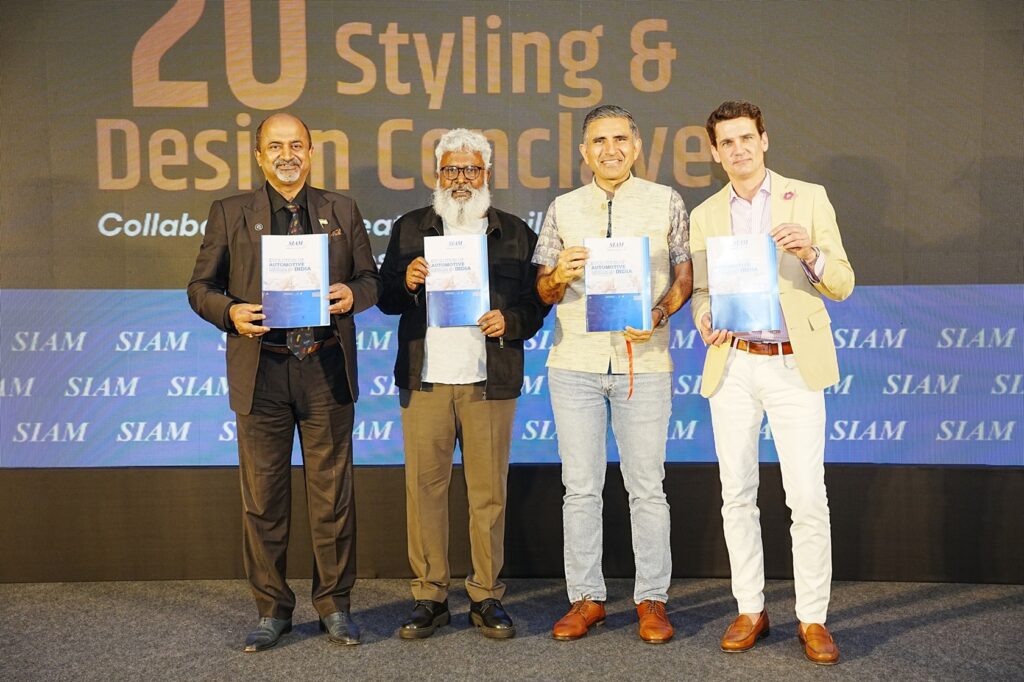
A key highlight of the conclave was the release of SIAM’s White Paper on the Evolution of Automotive Design in India, reinforcing the industry’s commitment to nurturing local design talent and strengthening India’s global design identity.
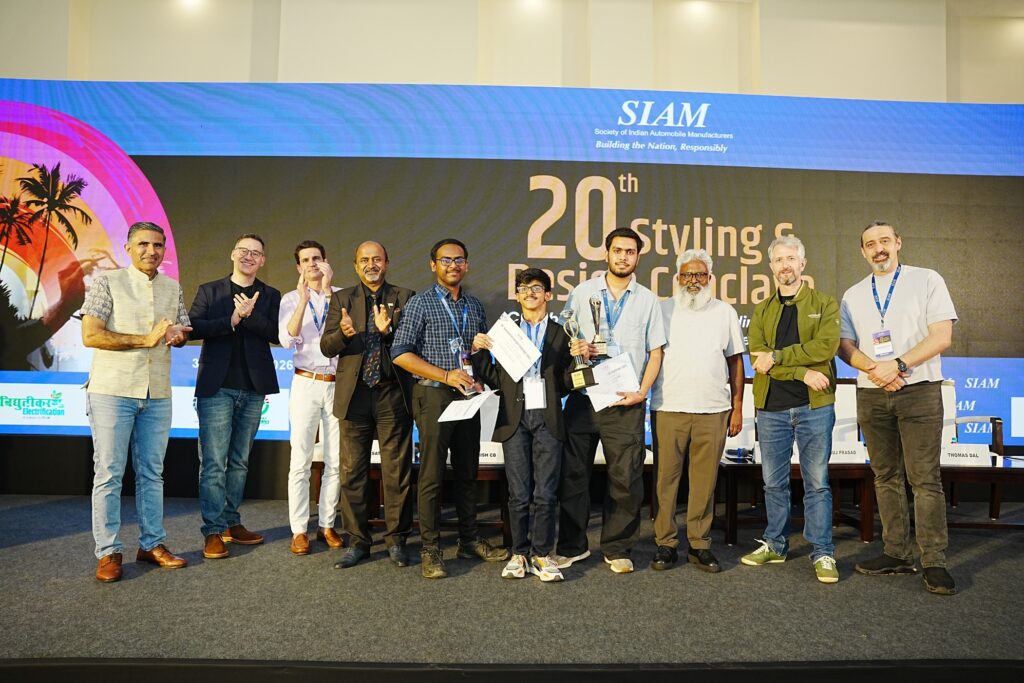
As part of SIAM’s continuous efforts to promote young designers, 53 students from top design institutes across India participated in the ADC, showcasing forward-looking mobility concepts. The top three winners—including the first prize awarded to Akshit Salunkhe of Ajeenkya DY Patil University—were felicitated during the event.
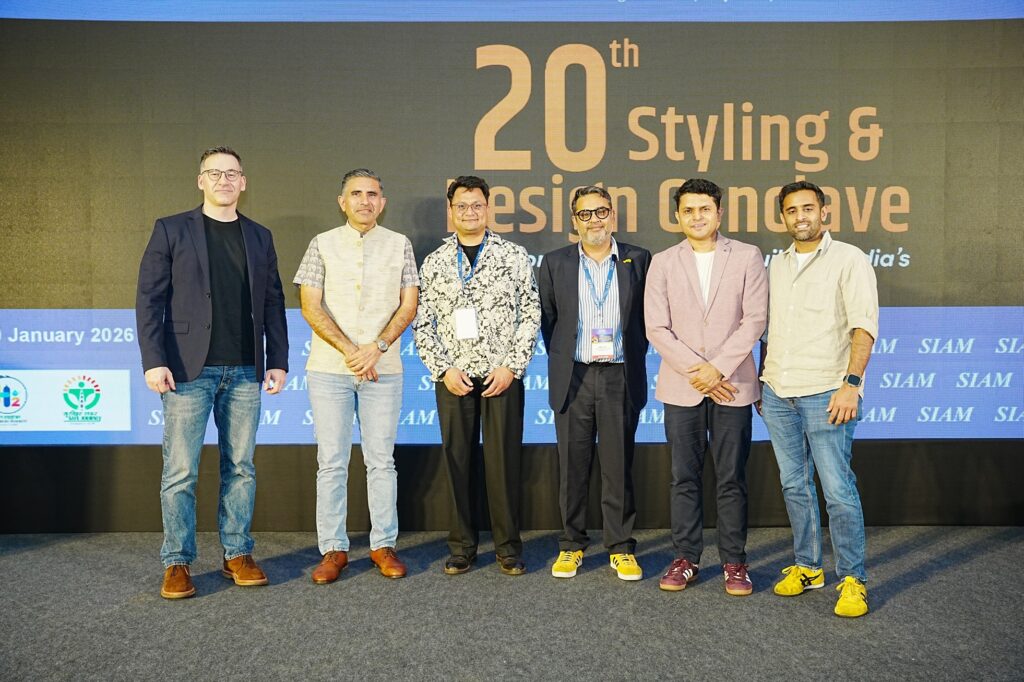
In his inaugural remarks, Mr. Prashant K Banerjee, Executive Director, SIAM, emphasised that meaningful mobility solutions must balance sustainability, desirability and affordability to address India’s unique needs. Mr. G Sathiyaseelan, Chairman of the SIAM Styling & Design Group and Design Director at Ashok Leyland, highlighted the importance of designing with empathy while focusing on inclusive mobility, especially for women and last-mile users.
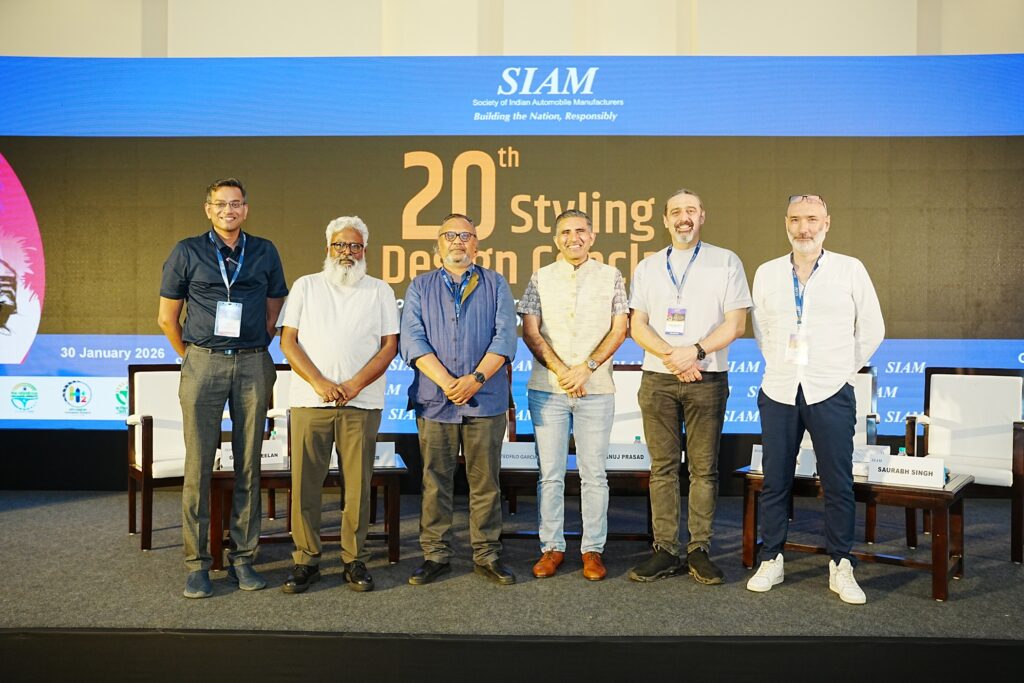
International perspectives also enriched the conversation. Mr. Andreas Kurbos, Founder & CEO of StudioKurbos GmbH, noted that India’s deep cultural identity offers a strong foundation for distinctive automotive design, particularly at a time when global design tools are rapidly democratising creativity.
The conclave featured three thematic sessions on emerging design trends, material innovation, sustainability, and next-generation vehicle styling, with contributions from senior design leaders representing Maruti Suzuki, Tata Motors, Hero MotoCorp, Royal Enfield, Greaves Electric Mobility, Stellantis, Kiska and others. A dedicated panel on “Design Thinking for Creative Solutions” further stressed the importance of bridging industry and academia to build a stronger design ecosystem.
The day concluded with an interactive session between students and seasoned designers, underscoring the conclave’s core mission: to inspire the next generation and spark fresh thinking for India’s mobility design future.