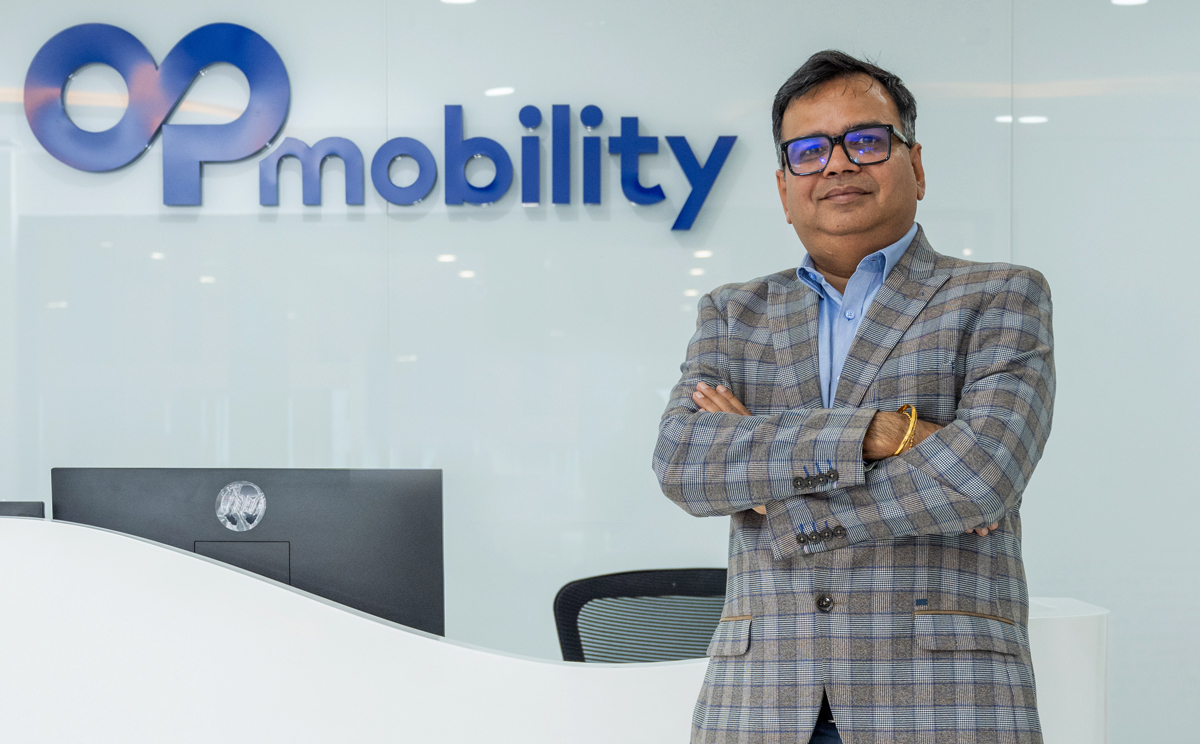
For OPmobility, India represents the next big frontier in sustainable mobility. The global technology leader, known for its innovation since 1946, is gearing up to bring its entire portfolio to the country and plans significant investments over the next five years. The company is also seeking local partners for battery systems and hydrogen storage solutions–key enablers of the cleaner, smarter mobility it envisions.
With four strong business groups–covering exterior and lighting systems, complex modules, and energy storage solutions including battery and hydrogen technologies–OPmobility offers a complete ecosystem for future-ready vehicles. Adding to this, its dedicated software division, OP’nSoft, is helping transform vehicles into intelligent, connected machines. Together, these efforts position OPmobility to play a defining role in India’s transition toward a greener, technology-driven mobility landscape.
Expanding Horizons
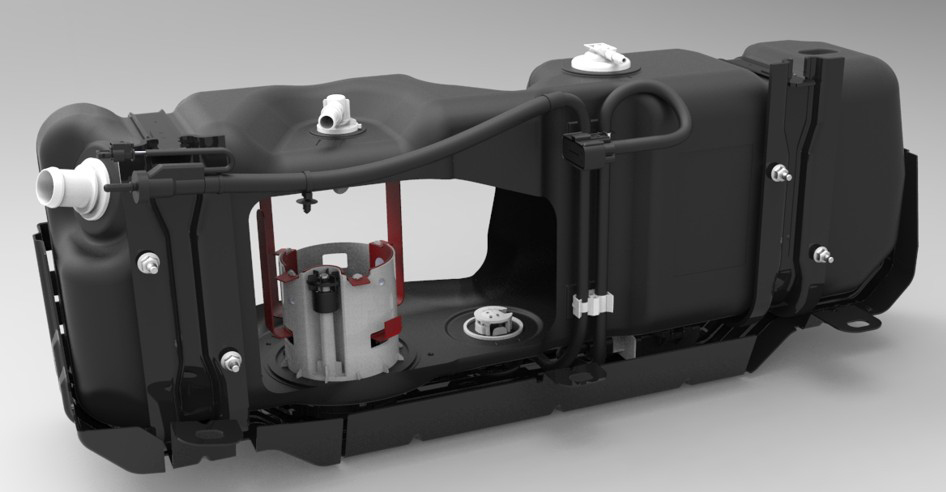
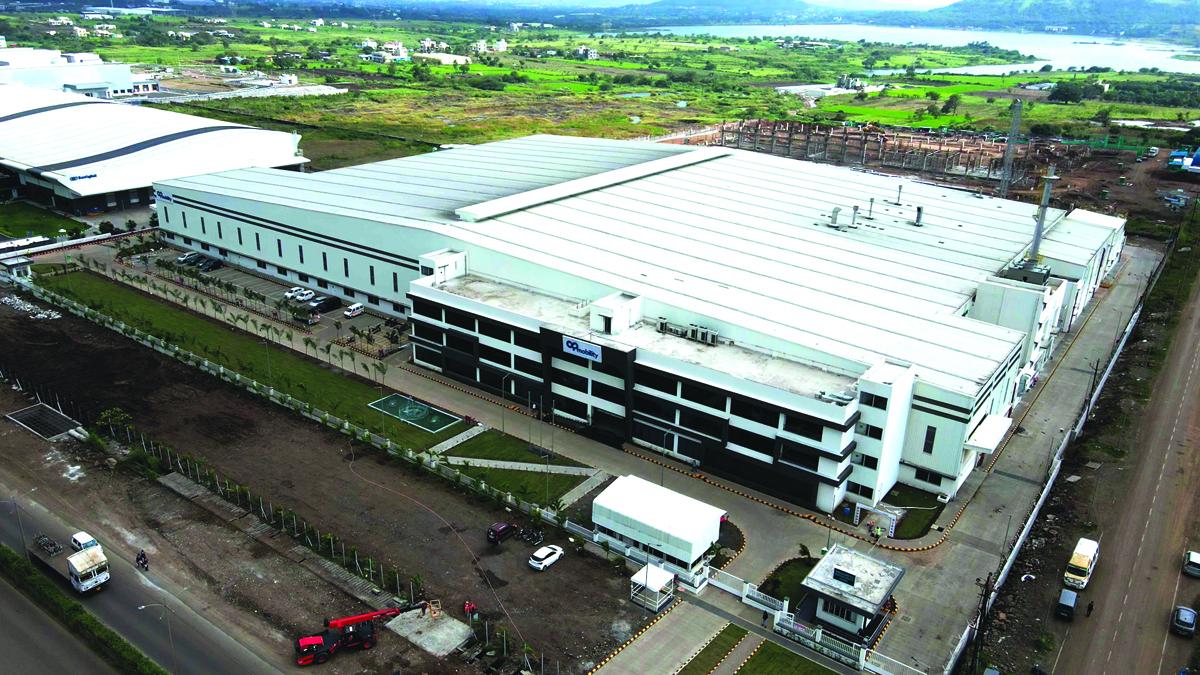
OPmobility’s story in India is already one of leadership and ambition. The company is the number one supplier of fuel tanks and ranks third in exterior parts such as bumper grilles and tailgates. According to Mr. G. K. Sharma, Region Chairperson India, OPmobility, the company plans to build on this strong base by expanding its manufacturing footprint and portfolio across the country. A new factory has already been inaugurated, and more are planned in the coming years to support growing demand–especially as the market shifts from steel and aluminium to plastic fuel tanks, creating fresh opportunities for growth.
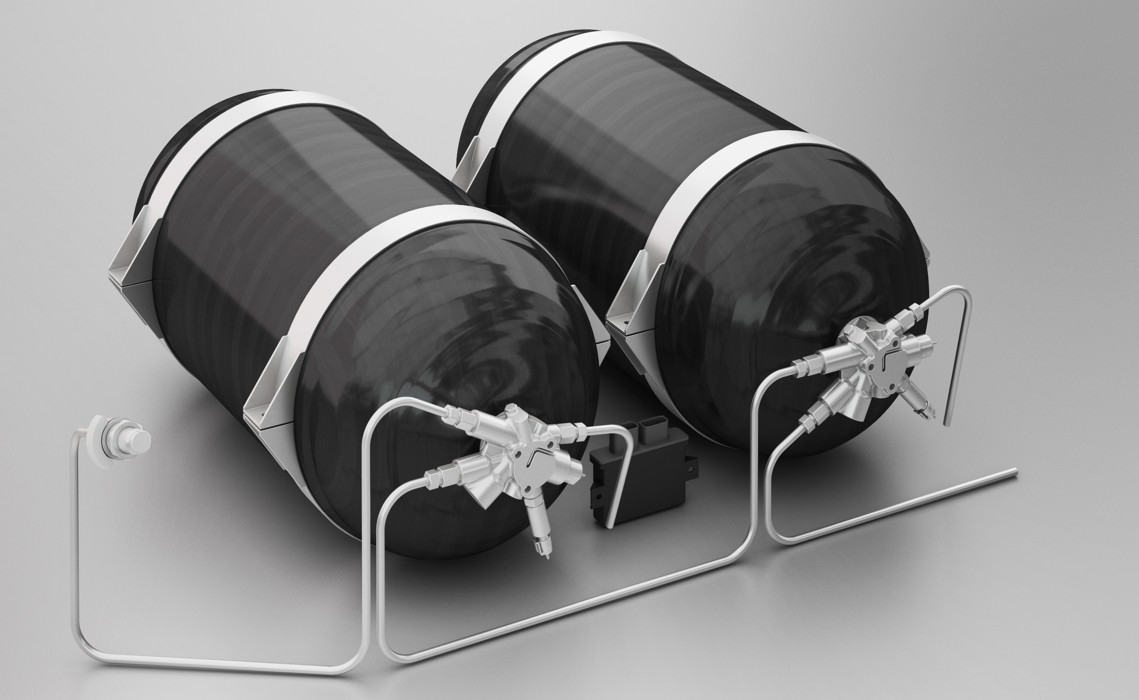
Beyond its existing strengths, the company aims to bring its full range of technologies to India, he said. It is exploring local production of lighting and electronic systems, as well as front-end modules for OEMs expanding their capacities. It is also seeking Indian partners for advanced battery systems and hydrogen storage solutions, seeing strong potential in India’s heavy mobility sector–trucks, buses, and tractors included. Mr. Sharma summed it up simply: “OPmobility plans to invest across every business group and bring its complete global expertise to India over the next five years”.
Designing Smarter, Lighter, and Seamless Vehicles
Balancing bold design with safety, efficiency, and cost is no small task, but OPmobility has turned it into an art. He said the company’s real strength lies in combining its global leadership in exterior parts, front-end modules, and lighting systems into one integrated solution. This unique approach allows OPmobility to merge form and function – making vehicles not only more beautiful but also more efficient.
By blending lighting seamlessly into exterior parts like bumpers and tailgates, the company reduces the number of components, simplifies design, and cuts weight – a critical factor in improving energy efficiency. This concept, called “One4you,” reflects company’s philosophy of bundling its technologies to deliver smarter, lighter, and cost-effective solutions that meet both OEM expectations and evolving global standards.
Integrating multiple functions into one module does more than enhance design – it makes car manufacturing faster and smarter. Mr. Sharma explained that automakers today face pressure to produce many variants quickly while keeping costs under control. OPmobility helps them achieve this by combining lighting, exterior parts, and front-end modules into a single, unified system. For OPmobility, it’s about delivering greater value through intelligent integration – a win-win for both the company and its customers.
From Fuel Tanks to Future Energy
Balancing innovation across different propulsion systems is at the heart of OPmobility’s strategy. Mr. Sharma said while the company leads the global market in fuel tanks, its focus is now expanding to all forms of energy storage. As internal combustion engines gradually decline, OPmobility aims to consolidate its position–growing its global market share in India from 40% to 60%.
He said the goal is to keep strengthening the fuel tank business, adapt it for plug-in hybrids and range extenders, and channel the resulting free cash flow into new technologies. The company is already investing in battery systems for 48-volt hybrids, buses, and trucks, as well as in hydrogen storage–an area where it is also a global leader. With this approach, it is building a bridge from its strong combustion legacy to a low-carbon mobility future, aiming to be the world’s number one in energy storage–whether fuel, electric, or hydrogen.
Making Electrification Safer, Smarter, and Affordable
For OPmobility, the future of electrification depends on one simple formula – making batteries safer and more affordable. Mr. Sharma believes that high costs are still slowing EV adoption, which is why the company’s approach focuses on flexibility and innovation. According to him, OPmobility’s battery pack technology is cell- and chemistry-agnostic, allowing it to work with multiple suppliers to find the best balance between safety, performance, and cost. At the same time, it is using AI-driven simulation tools to speed up development, lower costs, and improve safety – especially against risks like thermal runaway. By combining smart design, digital engineering, and supplier diversity, the company is building battery systems that are safer, faster to develop, and ready for large-scale, sustainable electrification.
Adding More Value to Every Vehicle
While volumes remain flat worldwide, Mr. Sharma stressed India is still growing, prompting OPmobility to expand capacity here. But the broader plan is to increase content per vehicle – delivering more innovation and higher value to every customer.
Mr. Sharma highlighted how OPmobility now integrates lighting directly into exterior parts like bumpers and tailgates, creating sleeker designs with fewer components. Similarly, in powertrain systems, the company has moved from supplying fuel tanks alone to offering both tanks and batteries for hybrid models. By combining expertise across different technologies, the company is boosting its presence inside every vehicle, and accelerating its growth in India in the coming years.