The company is proving that hydraulics are far from outdated; when engineered right, they become cleaner, smarter, and more relevant than ever.
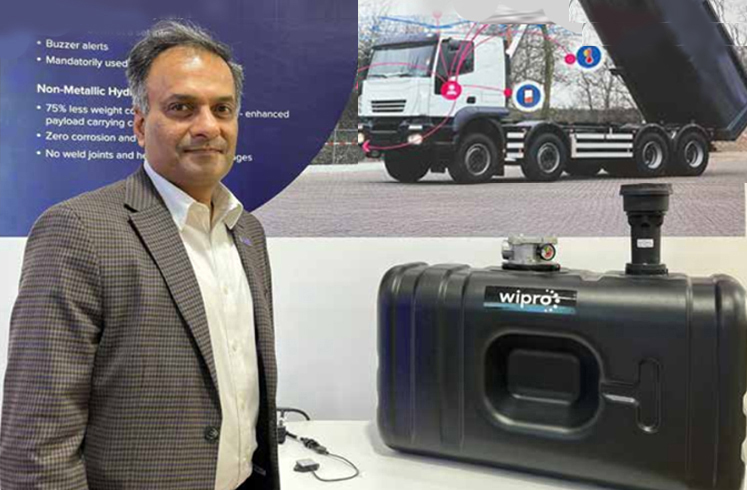
In an industry facing rising environmental expectations, cost pressure, and rapid technological change, Wipro Hydraulics is choosing a clear and steady path—one built on innovation, sustainability, and customer trust.
Speaking to this publication about the company’s journey and direction, Mr. Sitaram Ganeshan, President of Wipro Hydraulics, offered a grounded view of how the hydraulics specialist is evolving with the times while staying true to its core strengths.
Greener Hydraulics
Sustainability today is not just about electrification. At Wipro Hydraulics, it begins with smarter engineering. The company is redesigning hydraulic cylinders to make them lighter without sacrificing strength or performance. Less weight means better fuel efficiency and lower emissions—small changes that make a big difference over the life of a machine, he pointed out.
For global markets, especially Europe, the company is also developing cylinders that work efficiently with bio-oils. These efforts reflect a broader goal: making hydraulics cleaner and more efficient, even in applications where electric powertrains may not yet be practical.
Value Beyond Cost
Customers today want more for less—but not at the cost of reliability. Mr. Ganeshan explains that the company focuses on differentiation through technology, strong R&D, and advanced manufacturing. By investing continuously in these areas, the company ensures its products remain reliable, durable, and competitive.
A well-managed supply chain also plays a key role. It helps the company control costs while maintaining the quality standards customers expect from a critical component like a hydraulic cylinder.
Engineered for Uptime
In construction and industrial equipment, downtime is expensive. According to him, Wipro Hydraulics places strong emphasis on reliability, knowing that a dependable cylinder directly impacts the productivity and profitability of the machine it powers. A reliable component, Mr. Ganeshan notes, is the foundation of a reliable OEM product.
This focus also extends to the aftermarket. The company actively educates dealers and customers about the risks of counterfeit parts. Non-genuine seals and components can lead to leaks, safety risks, and poor machine performance—costing far more in the long run.
Electrification
While electrification is gaining momentum, Mr. Ganeshan is clear that hydraulics will continue to dominate medium and high-tonnage applications. The reason is simple: hydraulics still offer the best power-to-weight ratio for heavy-duty work. That said, Wipro is not standing still. The company is developing electric actuators for smaller applications such as scissor lifts, while simultaneously improving the efficiency of traditional hydraulic cylinders for larger machines.
Digital at the Core
Digitalisation is becoming a quiet strength at Wipro Hydraulics. Inside its plants, AI and machine learning tools are being used to improve manufacturing efficiency, enhance quality checks, and respond faster to customer needs.
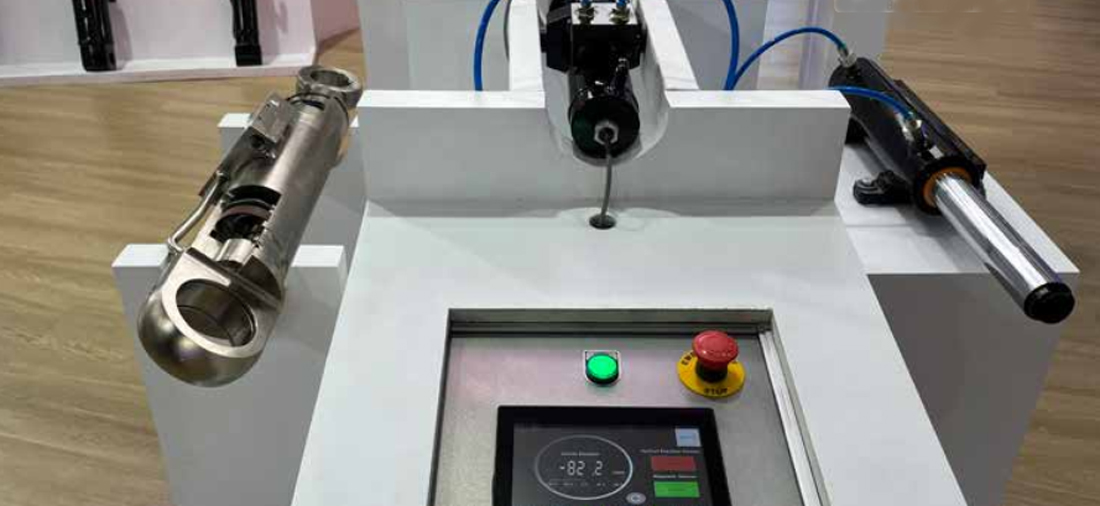
On the product side, the company is integrating sensors into cylinders to support safer operations. Features like ‘TipMatrix’ help improve tipping safety and equipment reliability, adding real value for end users on the ground.
Future-Ready Foundations
Wipro Hydraulics currently has enough capacity and land at its existing facilities to support growth. True to its philosophy of investing ahead of demand, the company remains prepared to expand further if customer needs increase or if strategic opportunities arise. New greenfield plants are also an option if location or scale demands it.
The growth outlook in India remains strong, driven by sustained infrastructure investment. To serve this demand, Wipro is expanding across applications—from mini excavators and telehandlers to garbage trucks and tippers.
Innovation on Display
At EXCON 2025, the hydraulics manufacturer showcased a wide range of hydraulic cylinders designed for diverse applications. New surface material technologies, sensor-enabled products, and application-specific solutions highlighted how the company is blending traditional hydraulics with modern innovation.
Through all these efforts, the company is sending a clear message: even in a changing world, hydraulics still matter—and when designed thoughtfully, they can be cleaner, smarter, and more valuable than ever, he signed off.