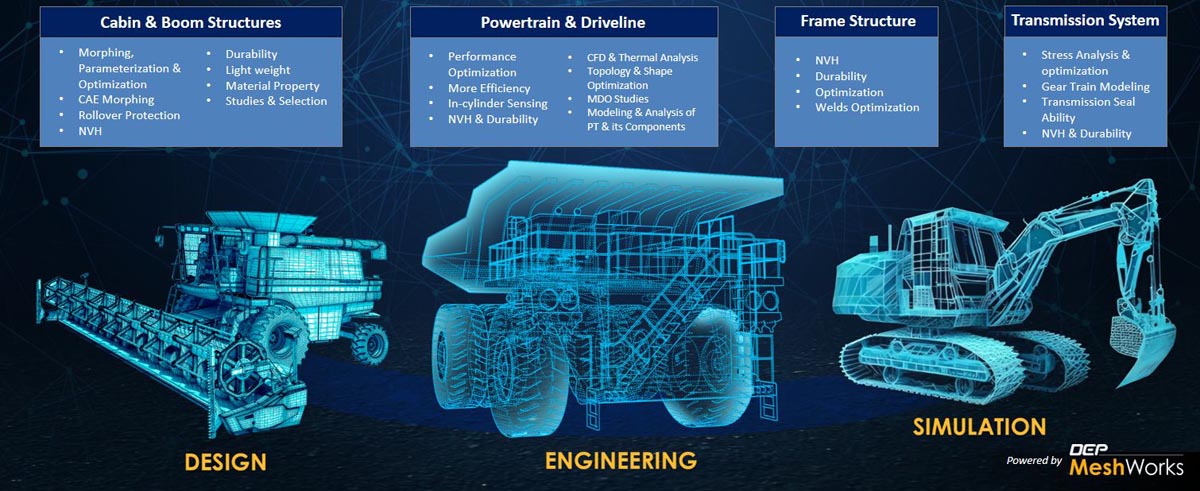
Today’s commercial vehicle and off-road manufacturers are navigating one of the toughest product-development phases in history. Emission norms are tightening, the world is shifting toward decarbonisation, and fleet customers expect vehicles that are cleaner, cheaper to run, and packed with intelligence.

OEMs must develop new-age powertrains – electric, hydrogen, hybrid, and biofuel – while ensuring extreme durability for mining sites, construction zones, and long-haul routes. At the same time, they are expected to integrate ADAS, telematics, and software-driven features, even as supply chains grow unpredictable and raw-material costs rise. Add shrinking development timelines and fierce competition, and it becomes clear: building modern CVs and off-road machines demands speed, precision, and entirely new skills in software, electronics, and high-voltage systems.
This is where Detroit Engineered Products (DEP), headquartered in Michigan, steps in. Agility is central to its DNA, helping heavy-industry OEMs deliver faster without compromising performance. Blending deep domain expertise with advanced simulation and AI-powered design automation, the company tailors each engagement to cut time, reduce cost, and ensure engineering excellence – giving manufacturers the edge they need in an increasingly demanding marketplace.
AI-Powered agility for Tougher, Faster Product Development
DEP’s agility comes from blending human engineering expertise with the speed of artificial intelligence. As Founder and President Mr. Radha Krishnan explains, the company’s MeshWorks platform – now strengthened with AI – automates time-consuming modelling tasks, creates multiple design variants instantly, and predicts performance with far higher accuracy. This gives manufacturers the power to make quicker, smarter decisions while cutting development time dramatically. DEP’s AI services also dig deep into engineering data, revealing insights that would otherwise take months to uncover, helping teams respond swiftly to changing requirements.
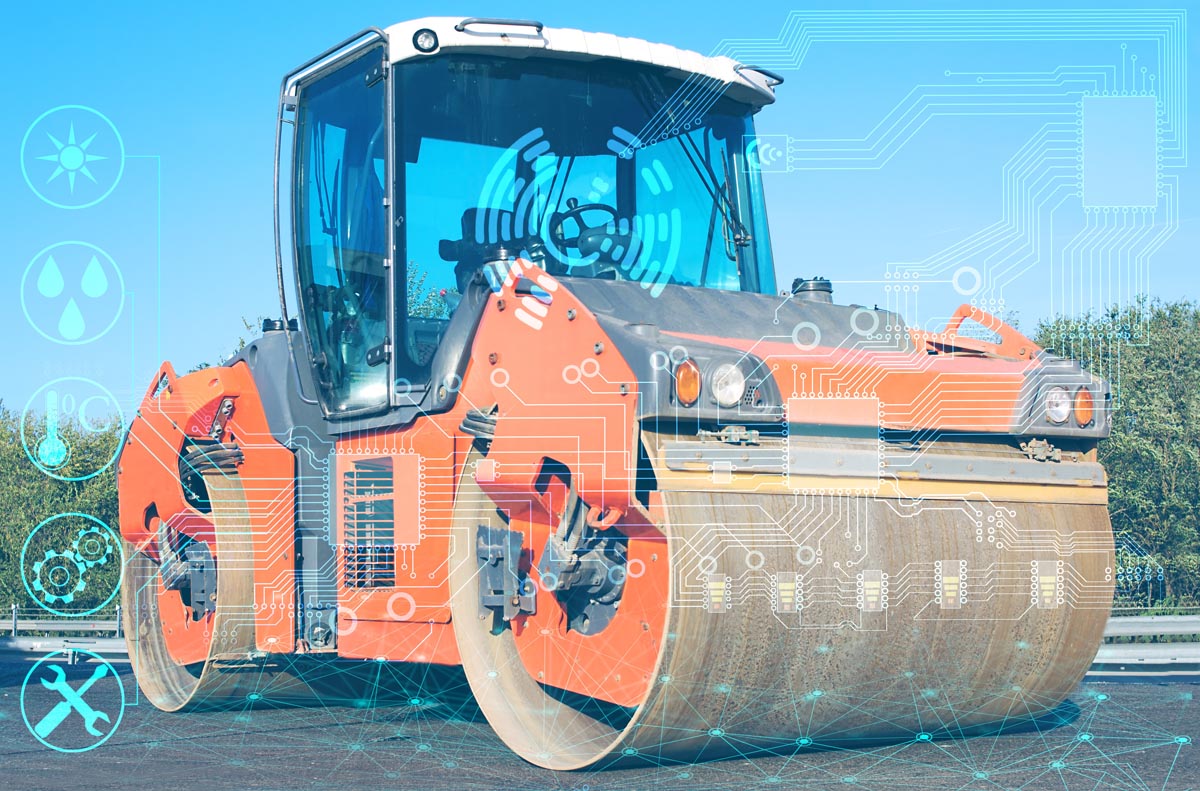
For off-road vehicles, where machines work in mud, mines, farms, and harsh terrain, the engineering challenge is far tougher than ordinary automotive design. With global operations across Europe, China, Korea, Japan, and India, DEP brings deep domain experience to these demanding applications. Its AI-enhanced MeshWorks platform accelerates mesh creation, automates model updates, and optimises parts for stiffness, fatigue, and weight – crucial for tractors, mining trucks, and construction machinery. By predicting durability early and reducing physical tests, the company helps OEMs design rugged yet efficient machines. With advanced CAE and AI working together, customers get a faster, more accurate path to reliable, high-performance commercial and off-road vehicles.
Why DEP Becomes the Partner Customers Rely On
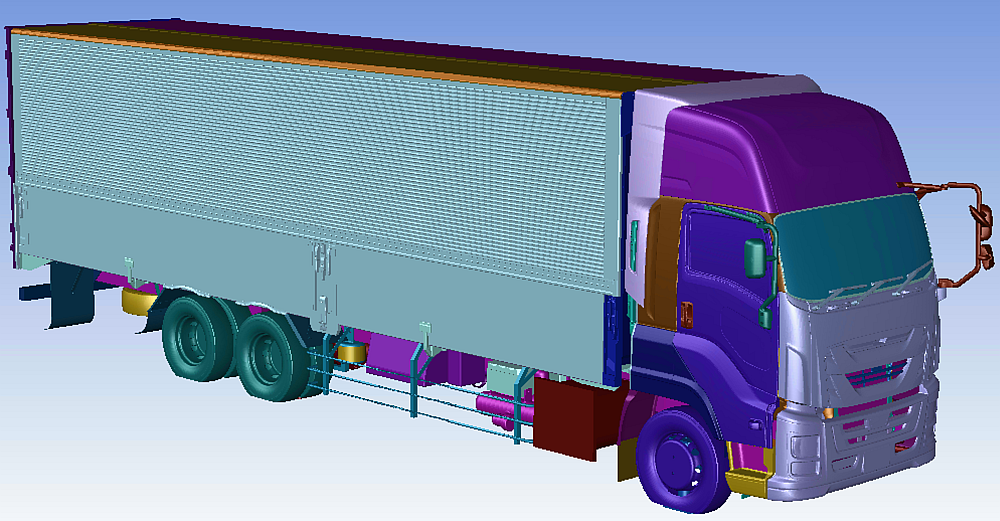
Customers prefer DEP because it blends strong engineering expertise with a practical, problem-solving approach. The company understands the tough realities of off-road equipment design – from rugged structures to manufacturable components – and its teams focus on solving these challenges quickly and efficiently. The MeshWorks platform adds speed and flexibility, allowing engineers to modify, optimise, and simulate designs much faster than traditional methods, while AI-assisted tools make every cycle smarter and more accurate. “We don’t just deliver a service; we stay with customers as long-term engineering partners helping them stay ahead,” Mr Krishnan said.
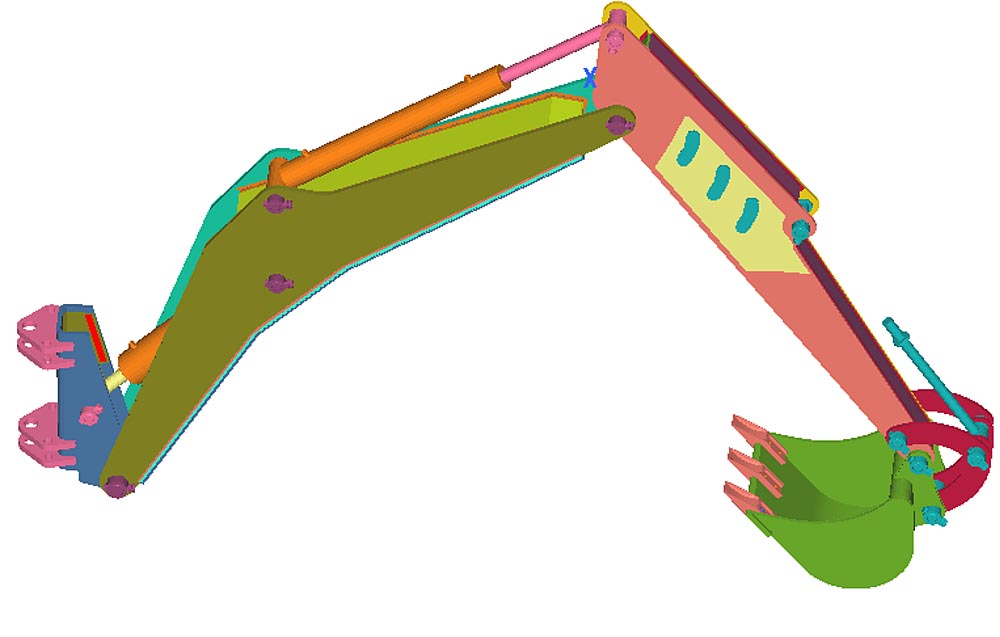
DEP’s data-driven, AI-supported engineering helps OEMs balance performance, durability, cost, and emissions – a difficult equation in today’s world. Its optimisation algorithms evaluate thousands of design combinations to find the best trade-offs in weight, strength, and cost, reducing lengthy trial-and-error work. It also correlates simulation and test data to show how each design change affects fuel efficiency and emissions, while predictive analytics spot risks early. By merging simulation with AI insight, the company helps build vehicles that meet regulations yet stay tough and cost-effective in harsh operating conditions.
Reliability
For off-road vehicles, reliability and ease of maintenance are non-negotiable. DEP uses AI-enhanced tools to assess serviceability during the design stage itself. Modular architectures and virtual models help the team check accessibility, component replacement, and assembly efficiency, while AI algorithms simulate different maintenance scenarios and identify high-wear or hard-to-reach areas long before production begins. It also applies AI analytics to maintenance data, predicting failures and optimising service intervals. This approach cuts downtime, boosts availability, and ensures vehicles remain productive even in remote or challenging environments.
Riding the Software-Defined Vehicle Wave
The rise of Software-Defined Vehicles (SDVs) is reshaping off-road segments too, and DEP expects adoption to increase rapidly. As mining and construction machines become more software-driven, diagnostics, performance, and control systems will shift to connected, updatable platforms. This means real-time monitoring, predictive maintenance, and over-the-air updates – all crucial for machines operating far from service centres. SDV technology also enables smarter automation and better fleet coordination, optimising routing, fuel use, and load management. Over time, this will create off-road fleets that are safer, more efficient, and far more productive. The company aims to be a key enabler of this transition, helping manufacturers build intelligent, future-ready machines, he added.