The Indian auto industry has weathered supply chain shocks, cost pressures, and wavering demand. But few could have asked for a more decisive boost than what the GST Council delivered in its latest session. With sweeping tax cuts across vehicles, from two-wheelers to trucks, the government has signalled its intent to put the sector back into top gear—fuelling sales, easing ownership costs, and setting the stage for a demand revival.
By the time these pages are in your hands, GST rates on small cars, two-wheelers, and commercial vehicles will already have fallen from 28% to 18% — a move designed to ease the burden on everyday families and boost the confidence of the aspirational middle class. While electric vehicles continue to enjoy the lowest slab of 5%, mid-size and larger cars have been brought under a uniform 40% GST. The move is expected to not only lift consumer sentiment but also inject fresh energy into an auto industry that thrives on affordability and volume.
The industry has warmly welcomed the GST Council’s landmark decision, calling it a festive gift for both consumers and businesses. Automakers said the reduction of GST on small cars, two-wheelers and commercial vehicles to 18% will make mobility more affordable for first-time buyers, middle-income families, and fleet operators, while the continued 5% rate on EVs will sustain India’s shift towards clean mobility. They noted that lower taxes will not only lift consumer demand but also accelerate fleet modernisation, support sustainable practices like reduced emissions, and strengthen India’s long-term competitiveness.

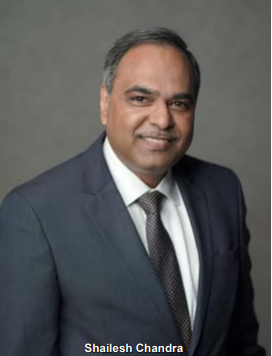
Mr. Shailesh Chandra, President, SIAM, said, this timely move is set to bring renewed cheer to consumers and inject fresh momentum into the Indian automotive sector. Making vehicles more affordable, particularly in the entry-level segment; these announcements will significantly benefit first-time buyers and middle-income families, enabling broader access to personal mobility.
Passenger Vehicles
Mr. Unsoo Kim, Managing Director, Hyundai Motor India, said, the GST overhaul will directly benefit the automotive sector. The announced reforms align seamlessly with the Government’s commitment to Viksit Bharat and the Make in India initiative, encouraging domestic manufacturing and boosting demand across both urban and rural markets. Notably, 60% of our ICE portfolio will now fall under the 18% slab rate, with the remainder at 40%.

Mr. Santosh Iyer, MD & CEO, Mercedes-Benz India, said, “Government listened to the automotive industry’s long-standing wish list of rationalizing GST rates. This GST revision is the step in right direction, is progressive and will induce the much-needed impetus by boosting consumption and bring momentum to the automotive industry which essentially remains the pulse of the Indian economy.
Mr. Swapnesh R Maru, Deputy Managing Director, Toyota Kirloskar Motor, said, “Beyond empowering the common man, this reform is poised to enhance market confidence, strengthen consumer sentiment and stimulate investments — collectively broadening prosperity across the nation. The relief extended to smaller vehicles, along with the rationalization of levies on larger ones, will enhance mobility for the common man by making it more accessible and affordable, while at the same time stimulating growth across the automotive sector.
Commercial Vehicles
Mr. Girish Wagh, Executive Director, Tata Motors, said, this landmark reform will significantly accelerate fleet modernization, driving the adoption of safer, smarter, and greener vehicles across India. By resolving the long-standing issue of inverted duty for transporters, it unlocks greater affordability and liquidity, strengthening the entire commercial mobility ecosystem. Further, the reduction in GST on hydrogen fuel cells to 5% is a forward-looking move that reinforces India’s commitment to clean energy and zero-emission mobility. This timely intervention is a catalyst for sustainable growth in logistics and public transport, a boost to economic momentum, and a powerful enabler in India’s journey of inclusive growth and nation building.”
Mr. Shenu Agarwal, MD & CEO, Ashok Leyland, said, “The shift to a streamlined two-tier system of 5% and 18% will not only ease compliance but also bolster key sectors, uplift consumer sentiment, and reduce the financial burden on the common man. Crucially, this move will help mitigate the impact of the recently imposed US tariffs. The specific relief for the commercial vehicle industry is especially welcome. On one hand, it will spur freight traffic, and on the other, it will bring down the cost of buses and trucks, unleashing demand trajectory for commercial vehicles.”
Mr. Narinder Mittal, President & Managing Director, CNH India “These GST reforms will accelerate mechanization by making tractors, harvesters, balers and implements more affordable, while lowering overall operating costs for farmers. This empowers industry players to address labour shortages, enhance farmer’s productivity, and promote sustainable practices.
According to Mr. Diego Graffi, Chairman and Managing Director, Piaggio Vehicles, “The new GST framework is a crucial step towards creating a more balanced and transparent tax structure, benefitting not only OEMs but also enabling consumers to better understand pricing. The reduction of GST rates on two-wheelers below 350cc will improve accessibility for a wider base of consumers and further support demand growth. While the revised rates for premium segments should be reconsidered to ensure that the framework overall reflects a clear intent to establish simplicity and consistency across categories.”
Auto Components
Auto component makers, too, hailed the uniform 18% slab on components as a historic reform that will curb the grey market, ease compliance, reduce ownership costs, and boost MSMEs. Many also pointed to structural changes such as faster refunds, correction of inverted duty structures, and policy stability as measures that will improve liquidity, ease of doing business, and encourage further investments in manufacturing, innovation, and localisation.
Ms Shradha Suri Marwah, President, ACMA, said, the rationalisation of GST to a uniform 18% across all auto components has been a long-standing recommendation of ACMA. This decisive step will curb the grey market, encourage the use of quality compliant components, ease compliance, and support MSMEs – thereby strengthening the global competitiveness and resilience of India’s USD 80.2 billion auto component industry. “We also welcome the GST Council’s approval for faster export refund claims through ICEGATE for smaller exporters, which will help clear pending shipping bills and significantly ease liquidity constraints,” she added.
According to Mr. Deepak Jain, Chairman, Lumax Group, consumers will benefit from more affordable vehicles and reliable spare parts in the aftermarket, improving both safety and ownership experience. The reforms, well timed, will also bring optimism ahead of the festive season, with demand expected to rise across entry-level passenger vehicles and two-wheelers.
Dr. Raghupati Singhania, Chairman & Managing Director, JK Tyre & Industries, said, “By reducing levies on essential goods, the government has somewhere eased consumer burden while catalysing fresh demand across sectors. With regards to tyres reduction of GST from 28% to 18%, and on farm tyres to 5%, is a landmark reform that will give a tremendous boost to the tyre industry and the mobility ecosystem.”
Mr. Shailesh Saraph, EVP and Global Head – ER&D Delivery, Tata Technologies, mentioned that the announcement comes at a crucial time when the industry is rapidly transitioning to electric and sustainable mobility, which will also encourage greater investments in innovation and capacity building. For the sector, this as an opportunity to strengthen partnerships with OEMs and suppliers, delivering advanced engineering and digital solutions to drive growth and transformation in the sector.
Mr. Udit Sheth – Vice Chairman, Setco Automotive, said, “We see this move as a catalyst for growth in the commercial vehicle sector, and we are optimistic about the momentum it can generate for the broader economy.”
Chairman and Managing Director, ASK Automotive Limited Mr. Kuldip Singh Rathee, said, “The next-generation two-slab tax structure marks a landmark reform for the Indian economy and will help ease the lives of the common man. We particularly appreciate the measures taken for the automobile sector, especially for small cars and two-wheelers up to the 350cc segment. This will provide much-needed relief to an industry that has been struggling for the last few years.
As the dust settles on the GST Council’s decision, the impact goes far beyond just numbers and slabs. For millions of families, students, and first-time buyers, it means affordable access to mobility. For fleet operators and small businesses, it promises leaner costs and better margins. For automakers and suppliers, it opens the door to fresh demand, cleaner balance sheets, and faster adoption of new technologies. And for India as a whole, it signals a decisive step toward a more inclusive, competitive, and sustainable mobility ecosystem.