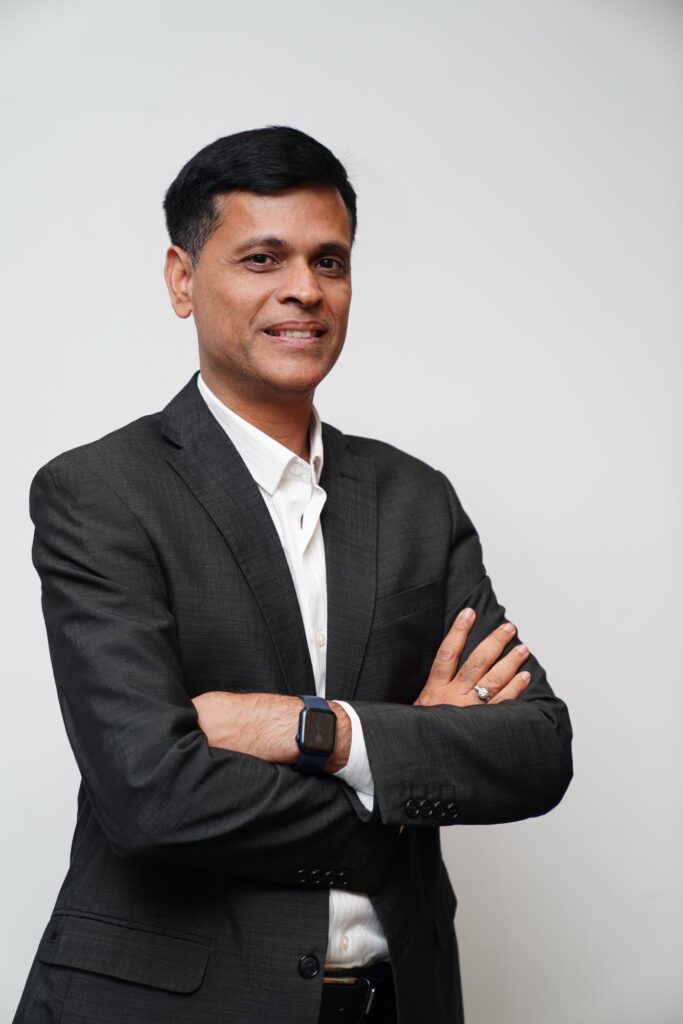
“When electronics meet engineering with purpose, the outcomes redefine efficiency,” says Sachin Agrawal, EVP – Product Development, Eicher Trucks & Buses, explaining Eicher’s integrated approach to modern truck and bus design at the sideline of the launch of Eicher Pro Plus series launched last month.
In an extensive and candid conversation held at the sidelines of the introduction of the Eicher Pro Plus series, Agrawal takes us through Eicher’s strategic efforts towards fuel efficiency, sustainability, future regulations, and electric and alternative fuels, all while retaining the customer’s operational priorities at the center. One of the standout innovations discussed was how Eicher optimized air-conditioning (HVAC) systems in light-duty trucks by linking them with the engine management system.
“Air-conditioning used to be an optional comfort feature. Now, it’s mandated. That meant we had to innovate – because HVAC can consume an additional 4-5% fuel,” Agrawal explains. “As Eicher is known as Mileage ka Badshah, we decided to integrate the AC electronically with the engine itself. This allows the system to respond dynamically, ensuring optimal fuel efficiency and performance while delivering cabin comfort.”
Eicher has shifted from the conventional reciprocating compressors, used widely across the industry, to scroll compressors (SCROM) – a quieter, more efficient technology with less friction and fuel draw. Moreover, Eicher uses variable displacement compressors, which scale performance based on demand, further reducing energy waste. “We are the only OEM in India today using scroll compressors in our light-duty range,” Agrawal shares proudly.
Durability, Regulations, and Digital Security
Beyond HVAC, attention to detail extends to durability features. A sealed clutch, an extra filter to protect the evaporator, and a high-end condenser fan built with globally state-of-the-art technology; tested for 3,000+ hours; illustrate Eicher’s engineering rigor. “Most other condenser fans in the industry last 500 to 1,000 hours. That’s not acceptable for uptime-critical customers.”
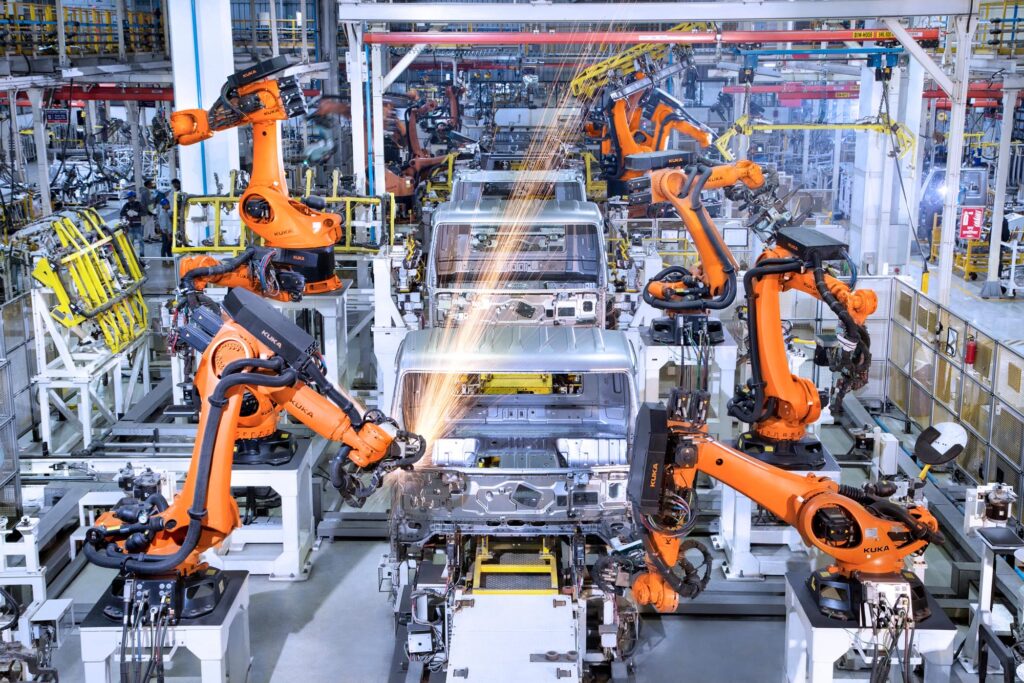
Eicher’s drive to stay ahead of the regulatory curve is equally commendable. The company is already developing Euro 7/BS VII engines for 2029 implementation, collaborating heavily with Volvo Group’s European center. “We were ready with BS VI way back in 2014, well before the Indian mandate. The same mindset applies to BSVII,” he emphasizes.
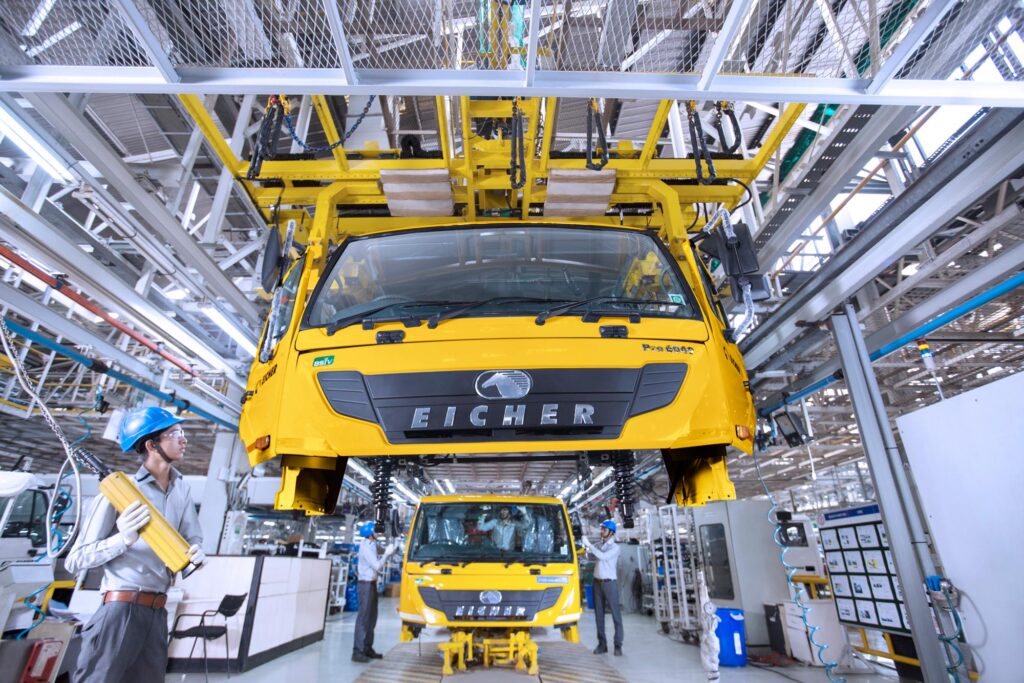
In parallel, Eicher is contributing to the CAFE (Corporate Average Fuel Efficiency) dialogue for trucks in India, advocating for real-world VECTO-based testing cycles over less practical constant-speed testing norms. From 2027, WLTP test cycles will govern light commercial vehicles under 3.5 tons, and Eicher is already deep into engineering readiness. “Regulations will increasingly focus on sustainability, comfort, safety, and now cyber security,” Agrawal states.
On that front, Eicher is taking steps to comply with emerging cyber norms AIS 189 and 190, which ensure end-to-end software and data security, especially important as Eicher trucks now offer Firmware Over-The-Air (FOTA) updates—a rare capability even in passenger vehicles. “Each commercial vehicle today has 6-7 ECUs, and they talk to each other. A breach in one can compromise all,” Agrawal warns.
Electrification & Alternative Fuels: A Measured Path Forward
While diesel remains dominant, CNG accounts for 13–15% of light- and medium-duty volumes. But Agrawal notes that its rise and fall closely mirror fuel price fluctuations and city regulations.
LNG, on the other hand, is being piloted in fixed-route applications like cement plant logistics. Eicher’s Pro 6055 LNG tractor is seeing early traction. “LNG holds great promise for long-haul transportation. It offers higher energy density and reduces the need for frequent refueling,” says Agrawal. “It might be a transition fuel—or not. It depends on how it gets regulated and priced.”
On electrification, he acknowledges the limited penetration in trucks to date, but sees the pace picking up particularly in segments like city logistics. “In parcel delivery, payloads are low, but space use is high. Also, there is more policy and social support for clean transport. That’s where EVs shine. They’re not replacing diesel across the board just yet, but we’re investing in where they make commercial sense,” he says. Hybridization too is on the horizon. Agrawal reveals: “Mild hybrids for fuel efficiency and diesel plus electric assist will become common.”
Making in India, for the World
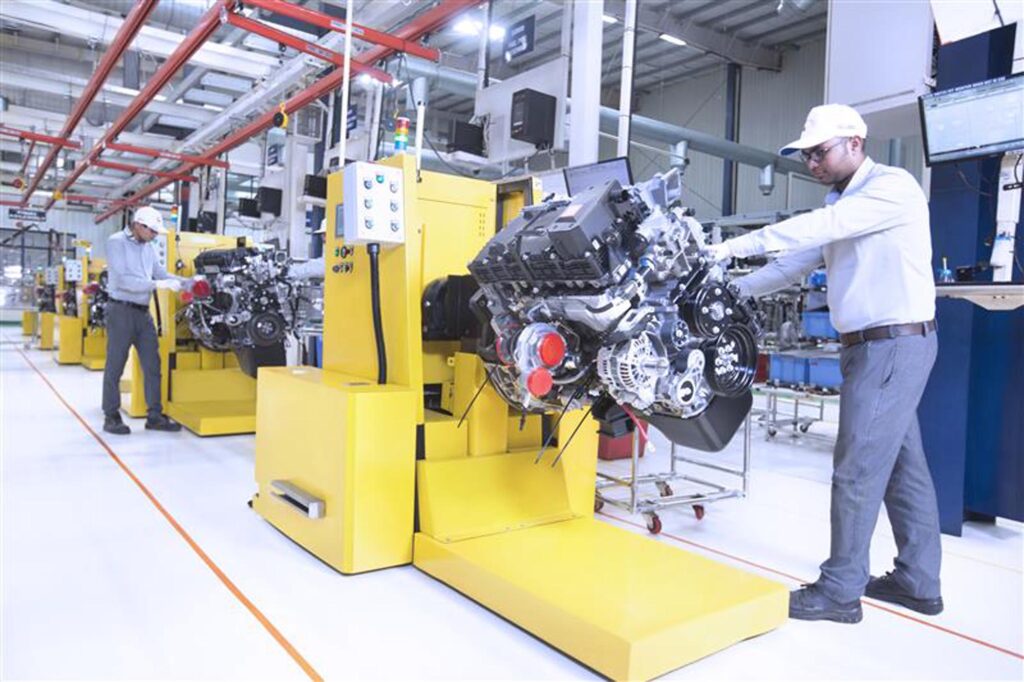
Agrawal beams with pride when he speaks about Eicher’s world-class powertrain manufacturing facility, set up in 2010 in collaboration with Volvo Group. The JV produces 5L and 8L engines for global use and has shipped over 50,000 engines annually, mostly for export. “This engine platform meets Euro 3 to Euro 6, and we’re now preparing for Euro 7. What’s unique is that our engine uses an in-house engine management system; giving us unmatched control over optimization,” he adds.
On the domestic side, Eicher also produces 2L, 3L, 3.3L, 3.8L diesel and CNG engines, used in its light- and medium-duty vehicles, further strengthening its position as one of India’s largest commercial engine manufacturers. “Our own engines power every Eicher vehicle. This deep integration lets us build smarter, more responsive, and cost-effective systems. And yes, our biggest trucks carry India’s most powerful engine,” he adds with a quiet nod to the Pro 8000 series.
When asked about the secret to this success, Agrawal keeps it simple: “The future is uncertain. But when you design products with efficiency, safety, and real-world customer value in mind, you’re always prepared.”
Eicher’s story is not just about compliance or catching up; it’s about thought leadership to shape the future of transport. “Innovation for us means looking ahead, but with a clear focus to deliver value to Eicher Trucks and Bus customers” concludes Sachin Agrawal.