India’s commercial vehicle and logistics industry is in the midst of a generational shift — driven by sustainability imperatives, digital transformation, and unprecedented infrastructure growth. For SML, these megatrends are not just external forces but strategic opportunities to redefine mobility. In an exclusive interaction with MOTORINDIA, Prashant Kumar, Chief General Manager – Marketing, SML, shared his perspectives on how the company is aligning with this changing landscape and preparing for a future-ready transportation ecosystem.

Sustainability, Digitalisation, and Infrastructure – The Triple Transformation
“India’s commercial mobility space is undergoing a profound transformation,” Prashant began. “Sustainability imperatives, digital innovation, and massive infrastructure upgrades are together redefining how goods are moved and setting the stage for a future-ready logistics ecosystem.”
The green transition is accelerating, with mid-haul electric trucks emerging as a viable solution for reducing emissions and costs. “A mid-haul EV with a range of around 250 km can cut nearly 50 tonnes of CO₂ per truck annually,” Prashant pointed out. “Government initiatives like FAME II and the PM E-Drive programme are making cleaner mobility both viable and economically attractive for fleet owners.”
Alongside electrification, digitalisation is transforming fleet and warehouse operations. “The explosive growth of e-commerce demands faster, more transparent, and flexible last-mile delivery. Advanced telematics now enable real-time tracking, predictive maintenance, and driver analytics — boosting uptime and efficiency,” he said. AI-powered tools such as intelligent route planning and demand forecasting are further improving reliability and speed.
Infrastructure development, backed by policies like Gati Shakti and the National Logistics Policy, is unlocking efficiencies across the supply chain. Prashant noted: “Dedicated Freight Corridors, Multi-Modal Logistics Parks, and new expressways such as Nagpur–Vijayawada are reducing travel times, decongesting highways, and opening new growth corridors.”
Leveraging Technology for Efficiency and Sustainability
Prashant emphasised that modern CV OEMs are no longer just vehicle builders but enablers of smarter, greener logistics. “Telematics is now a core part of our value proposition,” he said. “Our SML SAARTI Pro platform gives fleet owners real-time insights on fuel consumption, driver behaviour, and engine health. Optimising routes, reducing idle time, and enabling predictive maintenance all contribute to lowering total cost of ownership.”
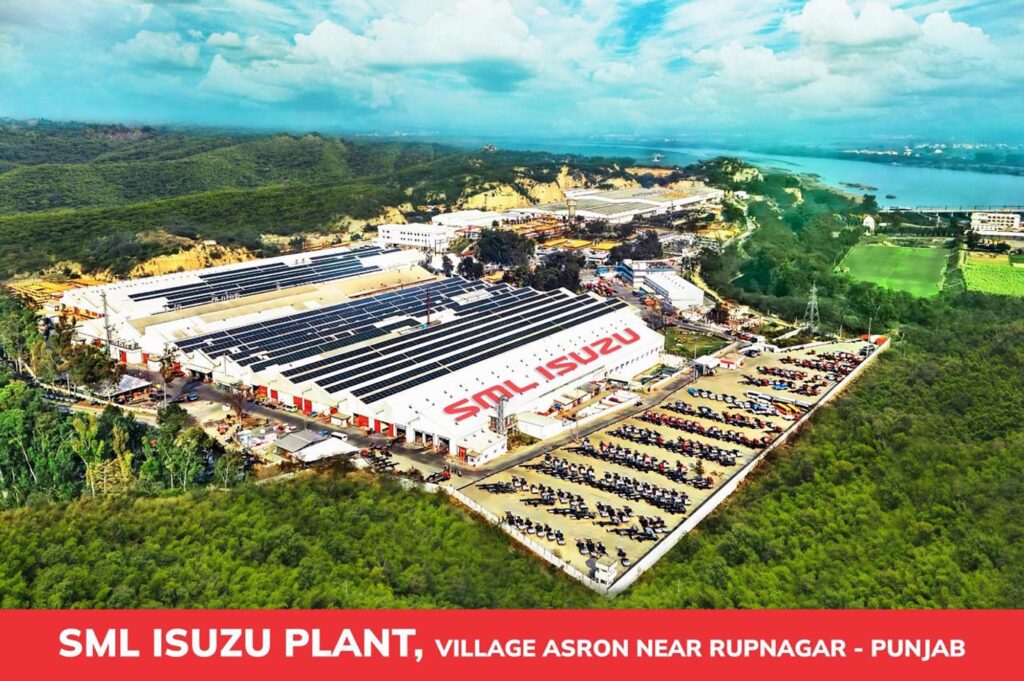
The company’s sustainability focus extends to alternative fuels and manufacturing. “We are expanding into electric mobility and CNG solutions, while also making our Ropar plant greener through solar power, LNG usage, and energy-efficient processes,” Prashant explained. This is complemented by a push towards circularity, with potential initiatives in battery recycling, aggregate remanufacturing, and scrappage-linked exchange schemes.
Digital integration also extends to customer experience. “From app-based vehicle monitoring to paperless warranty processes and fleet-level carbon tracking, we are building connected ecosystems that improve uptime and help clients meet ESG obligations,” he said.
Meeting the New Expectations of Fleet Operators
Evolving customer demands are reshaping product and service design. “E-commerce, FMCG, and cold-chain logistics all require faster deliveries, greater visibility, and uninterrupted uptime,” Prashant observed.
On speed, he explained, “Just-in-time supply chains demand higher power-to-weight ratio engines and AMTs to reduce driver fatigue. We’re also deploying mobile workshops, 24/7 roadside assistance, and predictive maintenance alerts to minimise downtime.”
Visibility is now a baseline requirement. “Fleet operators expect live tracking, accurate ETAs, and cargo condition monitoring. ESG reporting has made carbon footprint data equally important,” he said. Factory-fitted telematics, GPS, geofencing, and API integrations with logistics platforms are enabling this visibility.
Reliability remains central. “Our customers operate in demanding conditions. BS-VI Phase II powertrains, high-strength materials, and extended warranties ensure consistent uptime. Lower-maintenance drivetrains and longer service intervals further enhance durability.”
Prashant summed it up: “OEMs are no longer selling just trucks — we are delivering integrated mobility ecosystems that reduce TCO, boost profitability, and meet sustainability goals. Our telematics platform, electric mobility push, and green manufacturing practices ensure SML remains a trusted partner for modern logistics operators.”
Opportunities and Challenges on the Road Ahead
Prashant is optimistic about India’s path to becoming a global logistics leader. “Massive infrastructure expansion under Bharatmala, Gati Shakti, and Dedicated Freight Corridors is improving connectivity and cutting transit times by up to 40%. Multi-Modal Logistics Parks are enabling efficient mode-switching, while policy support is driving costs toward globally competitive levels of 8% of GDP,” he said.
The green mobility shift, backed by India’s Net Zero 2070 commitment, is another growth lever. “Electric, LNG, CNG, and hydrogen trucks will redefine fleet economics, reduce emissions, and align with global ESG mandates. With incentives under FAME-II and PLI, this transition is gathering pace.”
Digital transformation is also reshaping competitiveness. “AI, IoT, and telematics are making fleets smarter, routes more efficient, and service levels globally competitive. Platforms like Blackbuck and Delhivery are reducing dead mileage, and blockchain is enabling secure, transparent logistics data,” Prashant explained.
Export potential is growing too. “India is emerging as a cost-competitive CV manufacturing hub for South Asia, Africa, and the Middle East,” he said, adding that formalisation through GST, e-way bills, and 3PL entry is standardising fleet quality and reliability.
However, challenges remain. “High logistics costs, fragmented ownership, limited tech adoption in smaller markets, and sustainability pressures all add complexity,” he cautioned. Upfront costs for EVs and LNG trucks are a barrier for small operators, while gaps in first/last-mile connectivity, driver shortages, and regulatory hurdles need urgent attention.
The Way Forward
To achieve global competitiveness, Prashant believes India must double down on five fronts:
- Reduce logistics costs to ~8% of GDP through multimodal hubs and digital freight exchanges.
- Accelerate adoption of green fuels and EV corridors along national highways.
- Fast-track safety and emission norms to attract global shippers.
- Upskill drivers and improve comfort through better cabins and rest infrastructure.
- Localise advanced CV platforms to enhance export competitiveness.
“Our sector is at an inflection point,” Prashant concluded. “By embracing sustainability, digitalisation, and customer-centric innovation, we can not only meet India’s domestic freight needs but also position ourselves as a global leader in commercial mobility. At SML, we are committed to playing a pivotal role in this journey.”